
Barn owl
Tyto
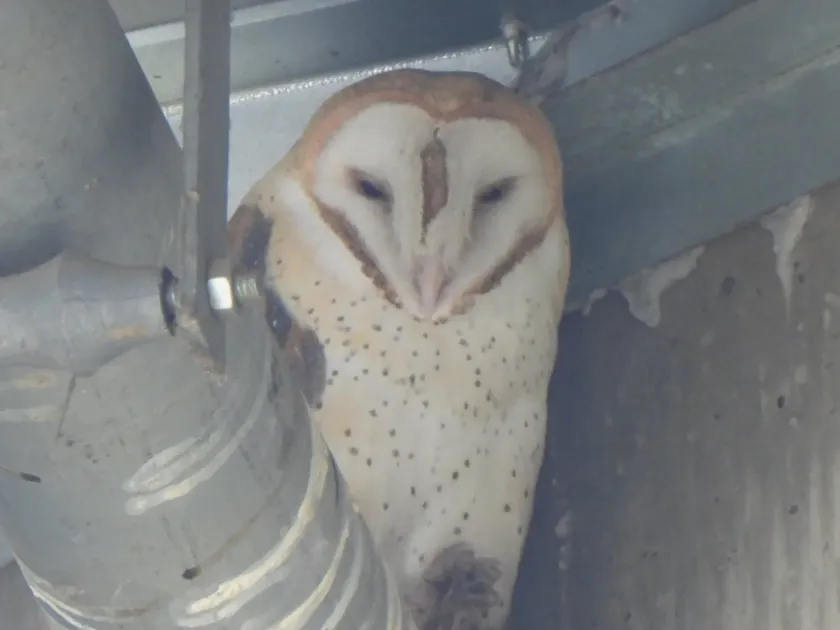
Description
How to identify
The Barn owl (Latin name Tyto alba) is a nocturnal bird of prey belonging to the family Tytonidae. It is characterized by its distinctive heart-shaped facial disk and pale, whitish plumage.
This bird possesses exceptional hearing capabilities, allowing it to locate prey with extreme precision in complete darkness, even when moving through tall crops.
It is important to emphasize that the Barn owl is not a plant pest. It does not consume crops, seeds, or agricultural products; therefore, it causes no damage to cultivated plants.
In agronomy, the Barn owl is classified as a highly beneficial predator. It acts as a natural biological control agent against rodent populations in agricultural fields.
Farmers recognize these owls as valuable assistants in integrated pest management, as they reduce the need for chemical rodent control.
What it damages
The Barn owl causes no damage to agricultural crops. Its diet consists strictly of small mammals, primarily rodents, which are themselves the primary pests of agriculture.
The bird does not damage leaves, fruits, roots, or stalks. It is physically incapable of harming plant tissues, as it is a specialized hunter of small vertebrates.
Any negative impact on crops in areas where owls hunt is always attributed to the pests themselves, such as voles or rats, which the owls are actively working to eliminate.
There is no economic harm caused by this species. Instead, the presence of these owls provides measurable economic benefits by reducing rodent-related crop losses.
Unlike insects or fungal diseases, the Barn owl does not threaten the harvest; it protects it by maintaining the balance of the local ecosystem.
When it appears
Barn owls are active year-round. As non-migratory birds in many regions, they maintain their hunting territories throughout all seasons.
Spring is the peak period for hunting activity, as parents must capture enough food to sustain their growing chicks in the nest.
Summer and autumn are critical periods for the agricultural cycle, as rodent populations often peak, providing an abundant food supply for the owls.
During winter, Barn owls often rely on farm buildings and barns for shelter, where they continue to hunt mice and rats that migrate indoors to escape the cold.
The activity level of the owl is fundamentally linked to the density of the rodent population, increasing in direct proportion to the number of pests present.
Control measures
There are no measures to control or eradicate Barn owls, as they are strictly beneficial. Instead, the focus is on conservation and attraction techniques.
Installing owl nesting boxes on farms is the most effective way to encourage their presence and utilize their predatory efficiency for rodent control.
The use of second-generation anticoagulant rodenticides is strongly discouraged, as these pose a lethal risk to owls that consume poisoned prey.
Promoting sustainable agriculture by preserving hedgerows and old structures provides the necessary habitat for these birds to thrive and support farm productivity.
- Installation of nesting boxes
- Reducing use of toxic rodenticides
- Maintaining local habitat diversity
- Education on wildlife-friendly farming
Taxonomy
- Latin name
- Tyto
- Family
- Tytonidae
- EPPO code
- TYTOSP
Discussion
No discussions yet — be the first.