
Trogoderma simplex
Trogoderma simplex
Description
How to identify
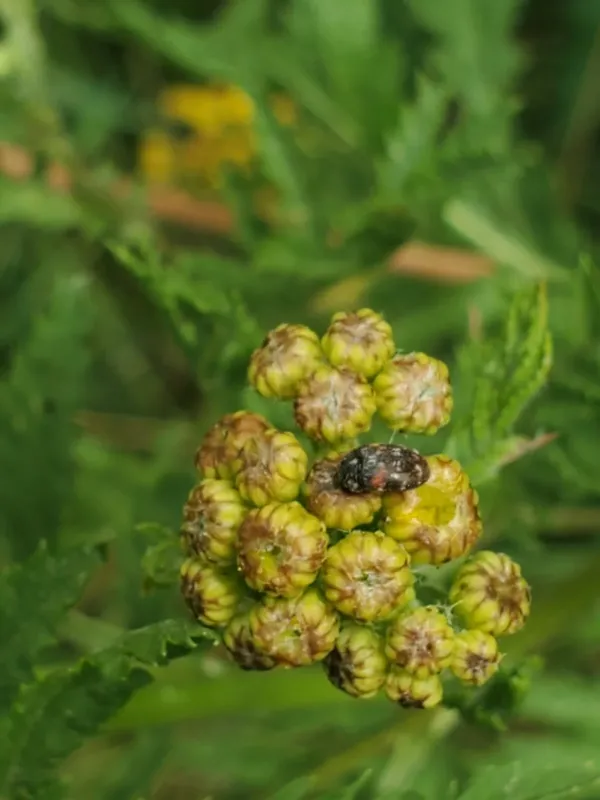
Trogoderma simplex is a member of the family Dermestidae within the order Coleoptera. Adult beetles are small, oval-shaped insects, typically ranging from 3 to 5 mm in length, characterized by their dense, dark-colored hairs.
The larvae of this species are highly mobile and possess distinct hairy coverings that provide protection. Their behavior is typically cryptic, preferring to remain hidden within grain masses or structural crevices.
Identification of Trogoderma simplex is challenging due to the high morphological similarity to other species in the genus. Precise diagnosis often requires professional entomological examination of internal structures.
The life cycle encompasses eggs, multiple larval stages, pupae, and adults. Each stage is adapted to survival in the dry environments commonly found in warehouses and food storage facilities.
A key biological trait of this species is the ability of larvae to enter a state of diapause under unfavorable conditions, which allows them to persist for extended periods even when food sources are scarce.
What it damages
This pest is known to infest a variety of dry stored products, primarily grains such as wheat, barley, and corn, as well as legumes and processed items like flour and cereals.
Larvae cause significant damage by boring into seeds and consuming the internal parts, resulting in grain loss and contamination with waste products, including frass and cast larval skins.
Besides raw grains, Trogoderma simplex can infest processed goods, potentially causing severe economic losses in the food industry through quality degradation and product recalls.
The damage is often cumulative; as the infestation progresses, the nutritional quality of the grain decreases, and the product becomes susceptible to secondary infections by fungi and bacteria.
Continuous feeding by large populations of larvae can lead to the complete destruction of grain stocks, making them unfit for both human consumption and commercial use.
Signs of infestation
A primary indicator of an infestation is the presence of cast larval skins (exuviae), which are commonly found in corners, under bags, or in the structural joints of a storage facility.
Visual inspection of grain often reveals holed seeds and fine, powdery debris. When infested material is disturbed, the presence of active, mobile larvae may be detected near the surface.
The use of pheromone-baited traps is an essential monitoring tool for detecting the presence of adult beetles early in the infestation cycle, before population numbers explode.
A persistent, stale, or musty odor in a storage area is a significant indicator of high insect activity and accumulated metabolic waste within the stored bulk product.
Detection is further facilitated by checking equipment and storage machinery where grain dust accumulates, as these are preferred harborages for larvae.
Control measures
Effective management begins with strict sanitation: cleaning floors, walls, and machinery to remove old grain dust and residues that sustain pest populations between harvests.
Proactive measures include the regular application of residual insecticides to storage surfaces prior to the introduction of new products, ensuring a barrier against incoming pests.
Managing the storage environment through grain cooling and moisture control is crucial, as lower temperatures and dry conditions can restrict the growth and development of the beetle.
In cases of severe infestation, fumigation is the most reliable method for complete eradication. This process eliminates all life stages, including those hidden deep within the grain bulk.
- Maintaining building structural integrity.
- Regular pheromone trap inspections.
- Prompt cleaning of spills.
- Strict crop monitoring during storage.
Taxonomy
- Latin name
- Trogoderma simplex
- Order
- Coleoptera (beetles)
- Family
- Dermestidae
- EPPO code
- TROGSI
Discussion
No discussions yet — be the first.