
Orache Moth
Trachea atriplicis
Description
How to identify
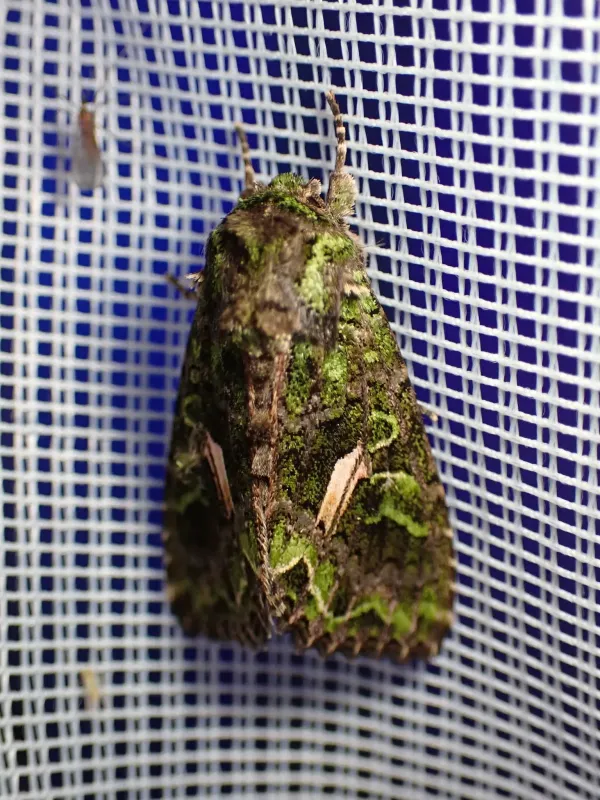
The Orache Moth (Trachea atriplicis) belongs to the Noctuidae family, a diverse group of nocturnal insects. The adult moth has a wingspan ranging from 35 to 45 mm, with brownish-grey forewings marked by intricate, darker patterns that provide excellent camouflage against foliage.
The larvae, known as caterpillars, are polyphagous and vary in color, often presenting a mottled brown or greenish appearance. They have a stout body structure and are primarily nocturnal feeders, staying hidden in the soil or under leaf debris during the day.
What it damages
This pest is known for its wide range of host plants, showing a particular preference for members of the Amaranthaceae family, including Chenopodium (orache) and various beet varieties. It often transitions from weeds to vegetable crops.
The larvae cause significant damage by consuming leaf tissue, often leaving behind only the main veins. This defoliation reduces the photosynthetic capacity of the plant, leading to stunted growth and reduced yields in root crops and leafy vegetables.
When it appears
The adult moths typically emerge in early summer, with the flight period extending from late May through July. Depending on regional climate conditions, the insect can complete two generations per year, which significantly increases its impact on agricultural yields.
The second generation of larvae is usually the most destructive, appearing in late August and September. These caterpillars feed aggressively as they prepare for the pupal stage, during which they overwinter in the soil until the next season.
Signs of infestation
The primary indicators of an Orache Moth infestation include irregular holes in the leaves and missing leaf margins. In severe cases, the plant may appear skeletonized, with only the skeletal structure of the leaves remaining.
Monitoring for signs involves inspecting the underside of leaves for larvae and looking for small, dark pellets of frass (droppings) on the soil beneath the host plants. These signs are critical for timely detection before extensive damage occurs.
Control measures
Effective control measures start with cultural practices such as deep autumn plowing, which disrupts the overwintering pupae in the soil. Maintaining weed-free fields, particularly removing wild orache, is essential to deprive the moth of initial feeding sites.
- Implementing crop rotation to break the pest's lifecycle.
- Using pheromone traps for monitoring populations and timing treatments.
- Applying insecticides or biological controls when larvae are young and most vulnerable.
Integrated Pest Management (IPM) strategies are recommended to manage this pest, combining physical removal, biological agents, and selective chemical treatments to minimize the impact on beneficial biodiversity.
Taxonomy
- Latin name
- Trachea atriplicis
- Order
- Lepidoptera (butterflies)
- Family
- Noctuidae
- EPPO code
- TRAEAT
Discussion
No discussions yet — be the first.