
Trachea anguliplaga
Trachea anguliplaga
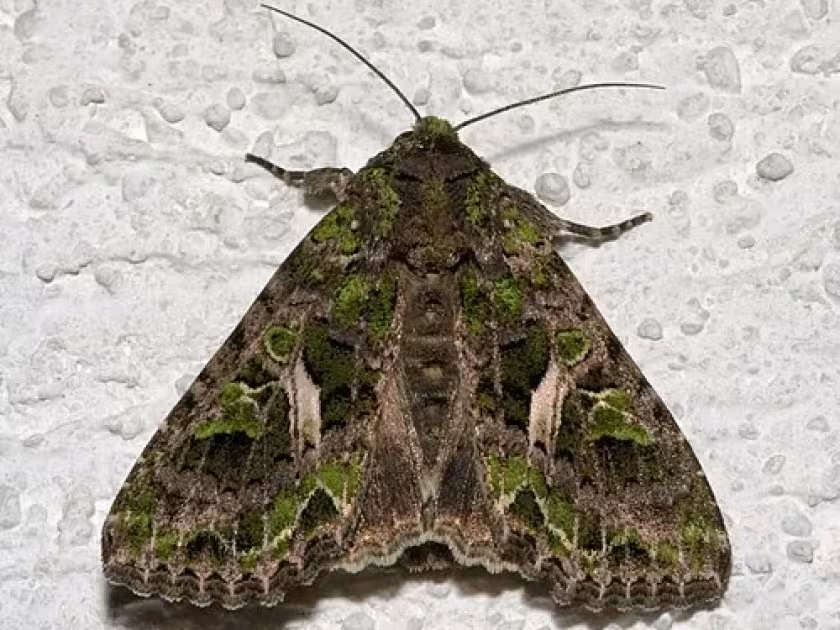
Description
How to identify
Trachea anguliplaga is a moth species belonging to the Noctuidae family. These insects are primarily nocturnal, characterized by a specific wing pattern that features prominent angular spots on the forewings, which is crucial for identification.
The adult moth usually has a wingspan ranging from 35 to 45 mm. The base color of the wings is typically dark brown or greyish-brown, allowing the insect to blend perfectly with its environment during the day.
The larvae, or caterpillars, are the most recognizable stage for farmers. They possess a smooth body and a well-developed chewing mouthpart designed for rapid consumption of plant tissues.
The life cycle encompasses four distinct stages: egg, larva, pupa, and adult. The duration of each stage is highly dependent on environmental temperature and humidity, with faster cycles occurring in warmer conditions.
Pupation typically occurs in the soil, where the larvae construct a chamber. This location provides protection against winter frosts and predators, ensuring the survival of the population until the next season.
What it damages
This species is considered a polyphagous pest, meaning it feeds on a wide variety of plant hosts, including many vegetables, herbs, and ornamental plants. It can cause significant economic losses if not managed.
The larvae are responsible for the vast majority of the damage. They feed on leaves, creating irregular holes and eventually skeletonizing the foliage if the infestation remains unchecked for a prolonged period.
In addition to foliage, larvae can target buds, flowers, and even fruit. This leads to direct loss of produce weight and reduces the overall quality of the harvest, making it unfit for commercial use.
Feeding injuries weaken the plant, making it more susceptible to secondary infections like bacterial soft rots or fungal pathogens that exploit the open wounds in the plant tissue.
In greenhouse settings, Trachea anguliplaga can be particularly devastating. The controlled climate allows for continuous breeding cycles, leading to high population densities that can destroy young seedlings very quickly.
When it appears
Adult moths generally emerge in late spring to early summer. They are active primarily at night, seeking nectar and suitable sites to lay their eggs, often on the undersides of leaves or near the base of plants.
The peak feeding activity of the larvae occurs during mid-summer. This is when the insects grow rapidly, requiring substantial nutrition, which results in the most noticeable damage to crops during this time.
As summer draws to a close, larvae burrow into the soil to pupate. The pupa enters diapause to survive the winter, remaining deep in the soil profile until the following spring's emergence.
Farmers can monitor the population using light traps, which are very effective for this species. Tracking the numbers of adults helps predict when the next generation of larvae will likely hatch.
Weather patterns heavily influence the timing. Warmer, wetter summers can lead to more aggressive breeding cycles, potentially resulting in two or more generations within a single growing season.
Signs of infestation
The most common sign of an infestation is the appearance of jagged holes in the leaves. As the caterpillars grow, these holes enlarge, often resulting in heavy defoliation of the lower and middle plant layers.
Frass (caterpillar droppings) found on leaves or the soil surface is a clear indicator of pest presence. Caterpillars are often difficult to spot during the day because they hide in the soil or under leaf litter.
Wilting of entire stems or seedlings often points to cutworm-like behavior, where the larva severs the plant base. This is particularly dangerous for newly planted crops or fragile vegetable starts.
The presence of adult moths attracted to artificial light sources near the field or garden during the evening serves as an early warning for potential egg-laying activity.
Curled or webbed leaves can occasionally be observed, as larvae may use silk to create temporary shelters against predators or adverse weather, further damaging the aesthetic of the plant.
Control measures
Cultural control is the first line of defense. Deep autumn plowing or tilling exposes pupae in the soil to predators and freezing temperatures, significantly reducing the overwintering population.
Sanitation is equally important; keeping fields and surrounding areas free of weeds removes alternative food sources and breeding grounds for the moth populations between crop cycles.
Biological control, such as applying Bacillus thuringiensis, is effective against young larvae while remaining environmentally friendly and safe for use near harvest time.
Chemical control should be applied based on economic thresholds. Insecticides are most effective when applied in the evening, aligning with the nocturnal feeding habits of the caterpillars.
- Practice crop rotation to break the life cycle.
- Use light traps for pest population monitoring.
- Apply biological insecticides like B. thuringiensis early.
- Remove plant debris and weeds post-harvest.
- Employ hand-picking at night in small-scale gardens.
Taxonomy
- Latin name
- Trachea anguliplaga
- Order
- Lepidoptera (butterflies)
- Family
- Noctuidae
- EPPO code
- TRAEAN
Discussion
No discussions yet — be the first.