
Tiracola
Tiracola
Description
How to identify
Tiracola is a genus of moths belonging to the Noctuidae family, known for their larvae which can become major agricultural pests in various regions.
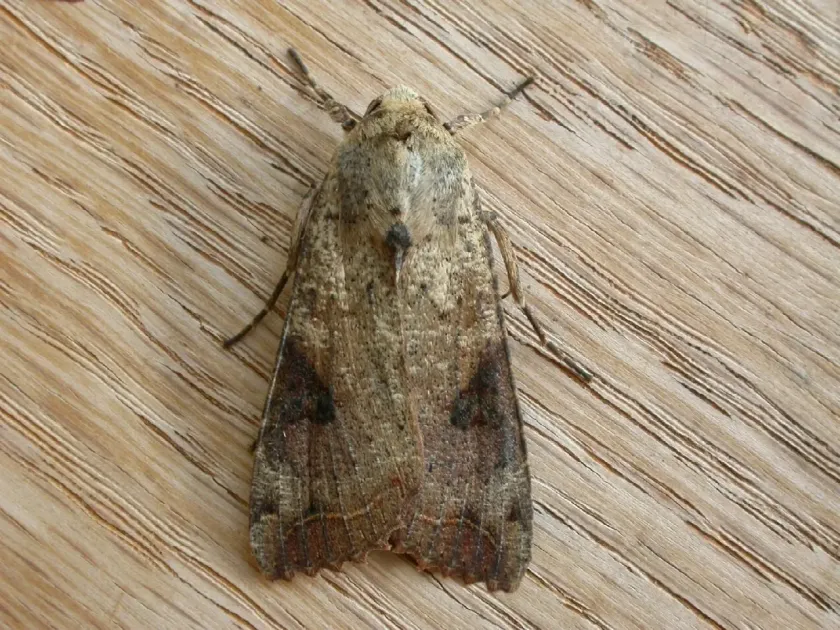
Adult moths typically exhibit cryptic coloration in shades of brown, grey, or tan, enabling them to camouflage perfectly against tree bark during the day.
The larvae are stout caterpillars that go through several instars, with their appearance ranging from light brown to dark, almost black, often featuring lateral stripes.
The insect follows a complete metamorphosis life cycle, consisting of egg, larva, pupa (which typically resides in the soil), and the adult moth stage.
Identification is primarily based on the morphology of the caterpillars and the specific wing patterns of the adults, often requiring entomological expertise for accurate species differentiation.
What it damages
Tiracola species are known as polyphagous pests, capable of feeding on a wide variety of plant species, which increases their potential threat to agriculture.
They are particularly notorious as pests of cocoa plantations, where they can cause extensive defoliation by consuming the leaves of both young and mature trees.
In addition to cocoa, these larvae feed on a range of vegetables, ornamental plants, and various tree species found in tropical and subtropical environments.
The damage is characterized by heavy defoliation, which severely hampers the plant's photosynthetic capacity and leads to significant growth reduction.
When populations are high, the larvae can also attack developing buds and fruits, resulting in direct losses of the harvestable crop product.
Signs of infestation
The earliest signs of an infestation include small, irregular holes in the leaves, which quickly progress to large areas of missing leaf tissue.
Large amounts of larval frass (droppings) accumulate on the soil surface or around the base of the plant, serving as a clear indicator of infestation.
Plants often exhibit stunted growth and yellowing leaves as the foliage is stripped away by the feeding caterpillars.
During the night, one can find the larvae actively feeding on the undersides of leaves or along the edges of the foliage.
Severe infestations result in skeletonized leaves where only the main veins remain, leading to a scorched or stripped appearance of the affected area.
Control measures
Managing Tiracola requires an integrated pest management (IPM) strategy that combines monitoring with various control interventions.
Biological control, such as the use of Bacillus thuringiensis sprays, is highly effective against younger larval stages and is environmentally friendly.
Good agricultural practices, including regular weed management and clearing debris, help reduce the availability of alternative hosts for the pest.
Chemical control using systemic insecticides may be necessary during severe outbreaks to preserve the crop yield, provided that safety guidelines are followed.
- Utilizing light traps to monitor moth population levels.
- Encouraging populations of natural predators such as wasps and birds.
- Manual removal of larvae in small-scale gardens.
- Maintaining proper spacing to improve air circulation and pest visibility.
Taxonomy
- Latin name
- Tiracola
- Order
- Lepidoptera (butterflies)
- Family
- Noctuidae
- EPPO code
- TIRASP
Discussion
No discussions yet — be the first.