
Thysanoplusia intermixta
Thysanoplusia intermixta
Description
How to identify
Thysanoplusia intermixta is a species of moth belonging to the family Noctuidae, often identified within the subfamily Plusiinae.
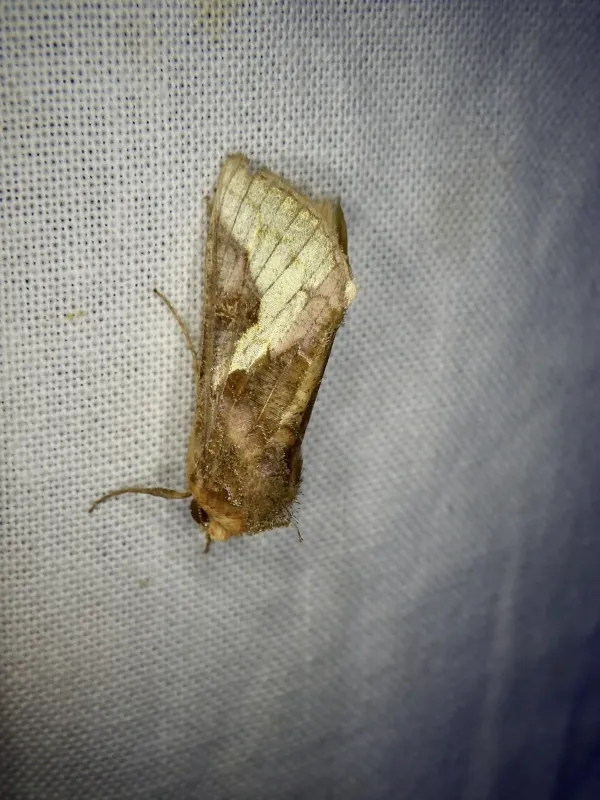
The adult moths are characterized by distinct metallic-like markings on their forewings, which is a common trait among members of this group.
Larvae are typically green in color, blending in seamlessly with the foliage, and move with a distinctive looping motion common to many looper caterpillars.
The lifecycle involves a complete metamorphosis, progressing through egg, larval (caterpillar), pupal, and adult stages.
Taxonomical identification is often confirmed through an analysis of wing venation and male genital structures, distinguishing it from similar species.
What it damages
This pest is known to be a polyphagous feeder, meaning it can infest a wide range of host plants across different botanical families.
Crops such as vegetables, legumes, and certain industrial plants are frequently affected by the larvae of this species.
The primary damage occurs when larvae feed on the leaf tissues, creating irregular holes and consuming significant portions of the foliage.
Heavy infestations can lead to severe defoliation, which reduces the plant's ability to photosynthesize and ultimately stunts growth.
In addition to foliage, larvae may also feed on developing buds or flowers, causing direct losses to harvest potential.
When it appears
Adult moths typically emerge in late spring, and the species may complete multiple generations throughout the growing season.
The nocturnal nature of the adults makes them elusive, as they spend the daylight hours hidden within vegetation or debris.
The larval stage, which causes the actual crop damage, is most active during the warmer summer months when environmental conditions are optimal.
Population dynamics are heavily influenced by temperature and humidity, which determine the speed of the life cycle and the number of generations.
Continuous monitoring during the peak of the growing season is essential for detecting the presence of larvae before they reach damaging population densities.
Signs of infestation
The most visible sign of an infestation is the appearance of ragged, irregular holes in the leaves of host plants.
Frass (larval droppings) found on the leaves or the soil surface beneath the plants is a clear indicator of active feeding.
Careful inspection of the undersides of leaves during the day often reveals the resting positions of the caterpillars.
In cases of severe infestation, the plant may show general signs of stress, including stunted growth and poor fruit development.
Using pheromone traps or light traps can help identify the flight periods of adult moths, signalling when to expect potential larval damage.
Control measures
Cultural control methods, such as crop rotation and the removal of alternative host weeds, are critical for disrupting the lifecycle of the pest.
Biological control, including the use of Bacillus thuringiensis sprays, is highly effective against early-instar larvae and is environmentally friendly.
When monitoring indicates that the population exceeds the economic threshold, targeted chemical interventions may be required.
Integrated Pest Management (IPM) practices recommend using selective insecticides to minimize harm to beneficial insects and natural predators.
Regular field scouting and prompt action are the cornerstones of successful management for this species, preventing localized outbreaks from becoming widespread.
Taxonomy
- Latin name
- Thysanoplusia intermixta
- Order
- Lepidoptera (butterflies)
- Family
- Noctuidae
- EPPO code
- PLUSIN
Discussion
No discussions yet — be the first.