
Tholera
Tholera
Description
How to identify
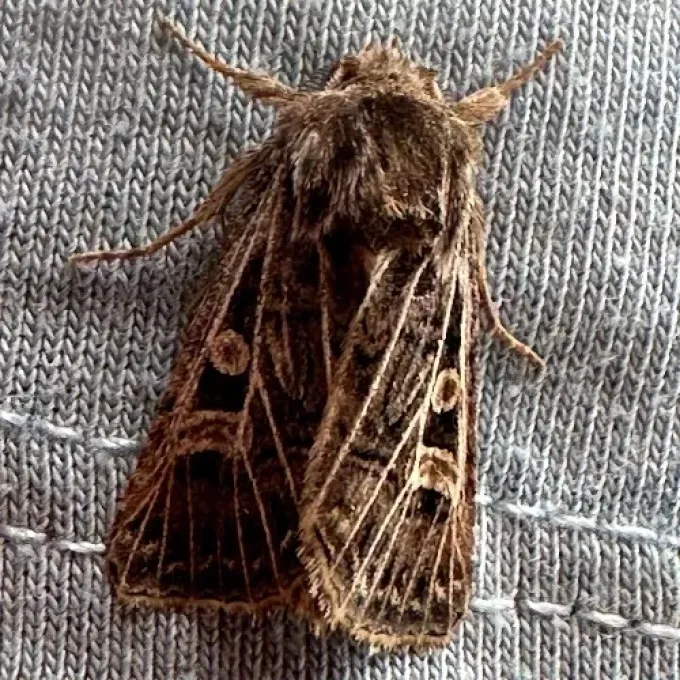
The genus Tholera belongs to the family Noctuidae (order Lepidoptera). Adult moths are typical in appearance for the subfamily Hadeninae, featuring cryptic coloration of forewings in shades of brown and grey, which aids in camouflage.
The larvae, known as caterpillars, are cylindrical with a well-developed head capsule and fleshy prolegs. They are often nocturnally active, spending their days buried in the soil or hiding at the base of plants.
The life cycle typically includes egg, larval, pupal, and adult stages. In many species of this genus, the egg stage is the primary overwintering phase, often laid in clusters on soil or host plant remnants.
Identification at the species level, such as for Tholera cespitis, frequently requires specialized knowledge of wing patterns or internal morphological examination to distinguish them from other similar owlet moths.
Understanding their seasonal biology is essential for field scouts to identify the optimal window for applying control measures before significant crop damage occurs.
What it damages
The Tholera genus primarily affects members of the Poaceae family, including various cereal crops like wheat, barley, and rye, as well as various grasses found in and around fields.
Caterpillars cause damage by feeding on the leaves. Early instars typically cause small holes or skeletonization of the foliage, while later instars consume large portions of the leaves, potentially leading to defoliation.
When populations reach high densities, the larvae may feed on the stems or the base of the plants, which can cause significant stunted growth or death of young cereal shoots during the tillering stage.
Economic damage is most severe during years with specific weather patterns, such as mild winters followed by a warm, dry spring, which promote higher survival and faster larval development.
Field impact can range from scattered damage in patches to widespread destruction of the cereal stand, directly affecting the final grain yield and the quality of the harvested crop.
Signs of infestation
The most common sign of a Tholera infestation is the presence of notched, ragged leaf margins or large, irregular holes within the leaf blades of the cereal crops.
Since the caterpillars are predominantly nocturnal, their presence may be confirmed by inspecting the crop at night with a flashlight, focusing on the foliage or the soil surface near the stem base.
Frass (larval droppings) visible on the soil surface or caught in the leaf axils is a definitive indicator of caterpillar activity even when the insects themselves are hidden.
Withered or dead plants that appear to be cut at the base or heavily chewed are strong indicators of significant larval presence within the field.
Increased activity of birds, spiders, and carabid beetles in specific patches of the field can also signal a high density of larvae, warranting a closer inspection of those areas.
Control measures
Integrated Pest Management (IPM) is the most effective approach for controlling Tholera, utilizing a combination of cultural practices, biological agents, and chemical treatments.
Cultural control strategies include deep plowing after harvest to bury and destroy overwintering eggs or pupae, and managing weeds at field margins to eliminate secondary host plants.
Chemical control involving synthetic pyrethroids or organophosphates should be applied based on economic threshold counts, ensuring the timing coincides with the most susceptible larval stages.
Biological controls, such as the application of Bacillus thuringiensis or naturally occurring entomopathogenic fungi, offer effective, environmentally friendly options that target specific larval stages.
Regular monitoring using pheromone traps to track the flight of adult moths allows farmers to predict peak egg-laying periods and schedule subsequent scouting and control measures accurately.
Taxonomy
- Latin name
- Tholera
- Order
- Lepidoptera (butterflies)
- Family
- Noctuidae
- EPPO code
- THOLSP
Discussion
No discussions yet — be the first.