
Syngrapha
Syngrapha
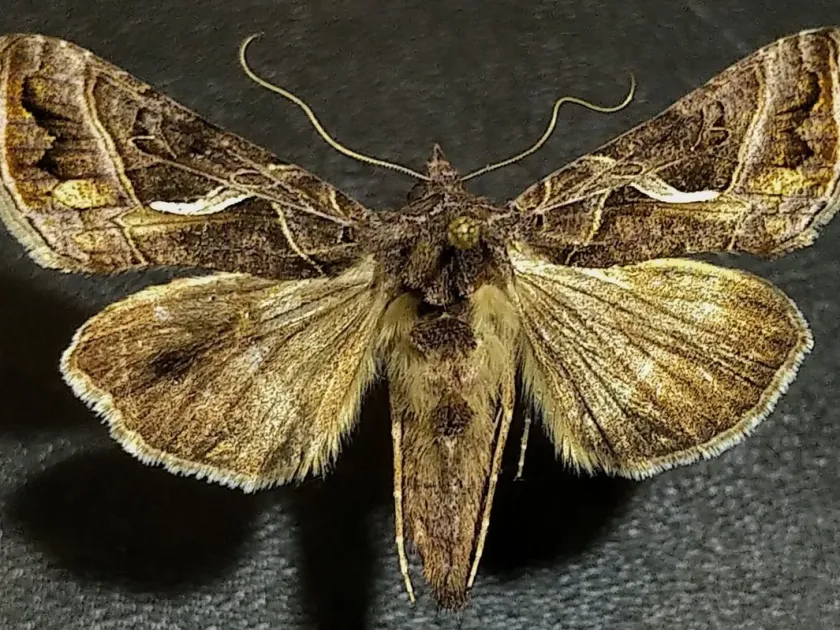
Description
How to identify
Syngrapha is a genus of moths belonging to the family Noctuidae, commonly known as owlet moths. These insects are recognized for their distinct wing patterns, which often provide excellent camouflage against foliage.
The larvae, or caterpillars, typically possess a cylindrical body and are known for their voracious feeding habits. Their coloration often ranges from green to brown, matching the host plants they infest.
During their life cycle, these moths progress through egg, larval, pupal, and adult stages. The pupal stage is generally spent in a silk cocoon, hidden within leaf litter or the soil surface.
Adult Syngrapha moths are mainly nocturnal, making them less visible during the day. Their detection in agricultural monitoring usually relies on pheromone or light traps during the night.
Accurate identification of specific species within this genus often requires microscopic examination of the genitalia, as many adults share similar morphological traits.
What it damages
Syngrapha caterpillars are polyphagous, meaning they feed on a diverse range of host plants, including various horticultural and field crops. They prioritize leaves and tender buds.
Feeding damage starts with small holes in the foliage, which progress to extensive skeletonization as the caterpillars mature and their dietary requirements increase.
Severe infestations lead to a reduction in the plant's photosynthetic capacity, causing stunted growth, decreased biomass, and significantly lower overall yields.
Secondary infections, such as fungal or bacterial rots, often enter the plant through the wounds created by the larvae, further damaging the crop quality and merchantability.
In cases of high pest pressure, entire leaves may be consumed, leaving only the primary veins, which places extreme stress on the plant and can cause total crop failure in extreme cases.
When it appears
The flight period of adult Syngrapha moths typically begins in late spring or summer, triggered by rising temperatures and the availability of suitable host plants.
Depending on the latitude and local climate, the species may undergo one or more generations per season, making continuous monitoring essential for effective management.
Caterpillars are most active during the night, hiding under leaves or at the base of plants during the day to avoid avian and insect predators.
Winter survival is typically achieved through the pupal stage, where the moth remains dormant in the soil or protected debris until the following spring.
Agricultural scouts often use pheromone traps to pinpoint the arrival of the first moths, which helps determine the ideal timing for field inspections and potential treatments.
Signs of infestation
Visible signs of an infestation include irregularly shaped holes in the leaves and the presence of granular frass, which are the fecal pellets left by the feeding larvae.
Silk webbing on leaves is a key indicator, as many Syngrapha species use silk to pull foliage together, creating a sheltered environment for feeding or molting.
Yellowing or wilting of infested plant parts is common, especially when the larvae focus their feeding on succulent growth or developing flower buds.
Careful inspection of the underside of leaves during the early season can reveal clusters of eggs, providing an early warning sign before the larvae emerge.
The sudden appearance of localized defoliation spots across a field is a major symptom that requires immediate investigation by crop protection specialists.
Control measures
Cultural practices, such as deep tillage after harvest, are highly effective in disrupting the life cycle by destroying pupae overwintering in the soil.
Maintaining clean fields by removing alternative host weeds significantly reduces the attractiveness of the area to egg-laying female moths.
Biological control, including the release of beneficial insects like Trichogramma wasps, can help manage populations naturally by parasitizing the eggs.
Chemical intervention should be based on economic threshold levels, utilizing target-specific insecticides that minimize harm to non-target pollinators and beneficial predators.
- Crop rotation to break pest cycles.
- Use of pheromone traps for population monitoring.
- Application of Bacillus thuringiensis based products.
- Regular field scouting to detect early infestations.
Taxonomy
- Latin name
- Syngrapha
- Order
- Lepidoptera (butterflies)
- Family
- Noctuidae
- EPPO code
- SYNGSP
Discussion
No discussions yet — be the first.