
Sympiesis sericeicornis
Sympiesis sericeicornis
Description
How to identify
Sympiesis sericeicornis is a species of hymenopteran insect belonging to the family Eulophidae. These tiny parasitic wasps are crucial components of stable agricultural ecosystems, acting as specialized natural enemies of various leaf-mining insects.
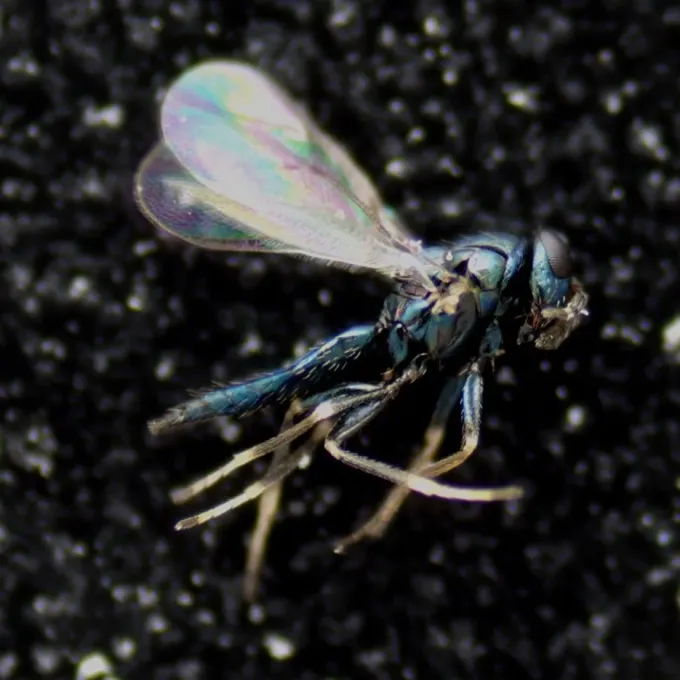
The adults are small, metallic-colored insects that are often overlooked due to their diminutive size, usually ranging from 2 to 3 millimeters. Identification typically requires professional entomological expertise or the use of magnifying equipment.
Their life cycle involves a direct association with the larvae of specific pests. The female wasp locates a host larva within the leaf tissue, injects an egg, and the developing wasp larva consumes the host, effectively stopping the damage to the plant.
These wasps are highly efficient, with several generations occurring within a single growing season. This reproductive strategy allows them to track the population dynamics of their hosts closely.
Understanding the taxonomy and behavior of S. sericeicornis is essential for modern agronomists who aim to integrate biological control methods into their crop management programs.
What it damages
Sympiesis sericeicornis does not cause damage to crops; rather, it is a vital beneficial organism. It acts as a primary controller for leaf-mining moths that damage foliage in orchards and nurseries.
The parasitoid targets the larvae of leaf-miners. By destroying these larvae before they reach maturity, the wasp significantly reduces the overall defoliation of trees and protects the plant's photosynthetic capacity.
Because these insects are parasitoids and not phytophagous, they do not feed on plant tissues, flowers, or fruits. Their presence is an indicator of a healthy, functioning ecosystem within the agricultural landscape.
There is no economic harm associated with this species. On the contrary, their absence due to excessive pesticide use can lead to unchecked outbreaks of harmful moths, causing substantial losses to farmers.
In essence, this insect serves as a living shield for the plant, suppressing pest populations in a sustainable and environmentally friendly manner throughout the season.
When it appears
The activity of S. sericeicornis begins in the spring when adult wasps emerge from hibernation. They immediately start searching for suitable hosts to begin the first generation of the season.
Throughout the summer, multiple generations of the parasitoid develop, which is vital for maintaining constant pressure on pest populations. This continuous activity ensures that pests do not gain an upper hand.
The population density of these wasps generally peaks during the mid-to-late summer months, coinciding with the peak period of leaf-miner activity in most orchard settings.
As temperatures drop in the autumn, the wasps enter a state of diapause. They successfully overwinter in sheltered locations, including cracks in bark or within the remnants of leaves where the final generation developed.
Providing a diverse habitat with early-blooming plants is crucial to support the early spring emergence and ensure the wasps have immediate access to energy sources.
Signs of infestation
The most common sign of S. sericeicornis activity is the presence of deserted or breached mines on leaves that were previously infested by leaf-mining moths.
Under close inspection, one can see small, irregular exit holes in the mine surface, indicating that the parasitoid has successfully completed its development and emerged from the host's chamber.
A high proportion of empty mines within an orchard, especially when accompanied by a declining trend in fresh leaf damage, confirms the effectiveness of this natural biological control agent.
In field monitoring, the use of yellow sticky traps is a standard practice to detect the presence of adult wasps and assess their relative abundance during the critical stages of crop growth.
Seeing a reduction in fresh mining activity without any recent insecticide application is the best sign that your orchard is benefiting from the activity of resident parasitoid wasps.
Control measures
Management strategies for this species are focused on conservation biological control. The goal is to provide an environment that encourages the survival and reproduction of these beneficial wasps.
- Minimize the use of broad-spectrum insecticides that are toxic to Hymenoptera.
- Include nectar-producing flowering plants in the landscape to provide food for adult wasps.
- Adopt selective pest management products that spare natural enemies.
- Maintain hedgerows or wild borders to serve as refugia for overwintering populations.
- Use monitoring to time pest control interventions carefully to avoid disrupting parasitoid peaks.
By shifting to an Integrated Pest Management (IPM) approach, growers can utilize the natural services of S. sericeicornis to keep pests below economic threshold levels without heavy chemical reliance.
Ultimately, protecting these tiny allies is a cost-effective strategy that improves the sustainability and long-term health of orchard ecosystems.
Taxonomy
- Latin name
- Sympiesis sericeicornis
- Order
- Hymenoptera
- Family
- Eulophidae
- EPPO code
- SYMISE
Discussion
No discussions yet — be the first.