
Eurasian Blackcap
Sylvia atricapilla
Description
How to identify
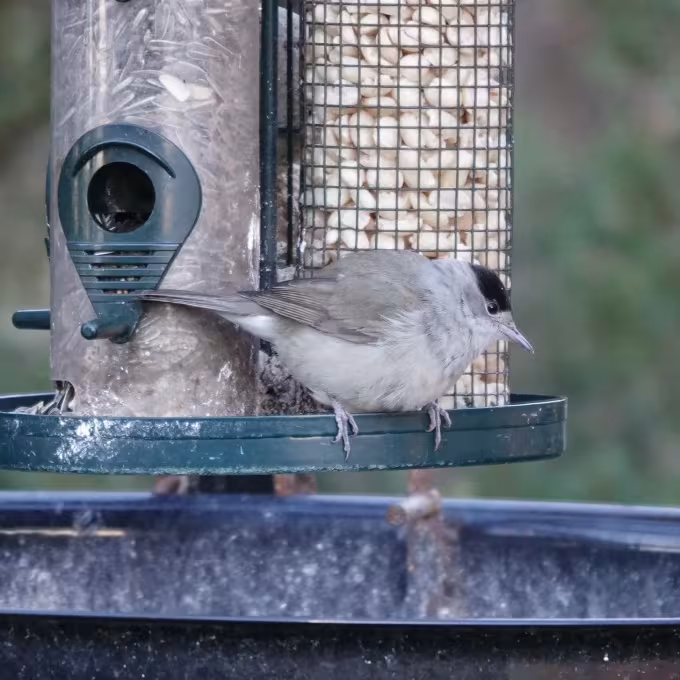
The Eurasian Blackcap (Sylvia atricapilla) is a small, melodious passerine bird belonging to the Sylviidae family. It is easily recognized by its cap: jet-black in males and rusty-brown in females, set against a predominantly grey-brown body.
These birds are known for their secretive nature, often hiding deep within shrubs and tree canopies. While their song is a well-known feature of woodland environments, they are also frequent visitors to residential gardens and orchards.
Biologically classified as insectivores, they are highly opportunistic. During the late summer months, they shift their dietary focus towards fruits and berries, which leads to conflict with fruit growers and gardeners.
They are widely distributed throughout Europe and parts of Western Asia. Their ability to nest in thick vegetation within gardens makes them a permanent fixture in many agricultural zones during the breeding season.
The species is highly prolific, often raising two broods per season. This reproductive strategy ensures a significant number of young birds looking for food by the time berry crops reach their peak ripeness.
What it damages
The primary damage caused by the Eurasian Blackcap involves the consumption and spoilage of soft fruits. Raspberries, blackberries, currants, cherries, and grapes are among their most targeted crops.
The birds peck at the fruits, consuming the juice and flesh, which ruins the fruit's structural integrity. This damage not only results in direct yield loss but also exposes the produce to secondary infections like mold, yeast, and rot.
The aesthetic quality of the fruit is severely compromised by these pecks, rendering the harvest unsuitable for commercial sale. Once a berry is damaged, it often attracts secondary pests such as wasps, which can lead to even greater losses.
In large vineyards and berry orchards, the accumulation of damage from multiple birds can be substantial. Even a small flock can destroy a significant percentage of a crop within a few days of ripening.
Because these birds are intelligent, they quickly learn which areas provide the easiest access to food. Their presence is often identified not just by the sight of the birds, but by the rapid decline in the number of healthy, ripe berries on the bushes.
When it appears
Eurasian Blackcaps are migratory birds that arrive in their breeding grounds starting in April. This marks the beginning of their presence in fruit-growing regions, where they establish territories and prepare for nesting.
The most critical window for fruit damage is from July through August. This period coincides with the maturation of summer berries and the emergence of independent fledglings that require substantial food resources.
By September, most populations begin their southward migration, significantly reducing the pressure on late-harvest crops. However, regional variations in climate can lead to later departures in some areas.
Understanding the synchronization between the bird's life cycle and the fruit's ripening stages is essential. Growers should be most vigilant when the sugar content of the berries begins to peak.
Effective pest management schedules must be aligned with these seasonal patterns, ensuring that protection measures are implemented before the birds arrive in large numbers at the orchard.
Signs of infestation
The most prominent indicator of their presence is their intricate and melodic song, often heard at dawn and dusk. Consistent singing in or near the orchard serves as an early warning of potential activity.
Physical inspection of the fruit reveals distinctive pecking marks—small, irregular holes where the birds have sampled the flesh. Often, the berries appear deflated or shredded while still hanging on the plant.
Bird droppings found on the leaves below the canopy or on fruit support structures indicate the birds' favorite perching spots and frequent activity zones.
Observing a sudden increase in wasp or fruit fly activity around specific branches is a strong secondary indicator that the fruit there has already been compromised by birds.
Visual identification of the birds themselves, especially the characteristic black or brown head patches, confirms the source of the trouble, especially when seen flitting rapidly between bushes.
Control measures
Physical exclusion remains the gold standard for protection. Installing fine-mesh bird netting over bushes and vines creates a total barrier that prevents the birds from reaching the berries.
Visual deterrents such as reflective tapes, old CDs, or falcon-shaped kites can be effective in the short term. To prevent the birds from habituating to these devices, they should be moved or rotated frequently.
Bioacoustic deterrents that broadcast distress calls or raptor alarm calls are effective, particularly in larger orchards. These systems are most successful when programmed to trigger at irregular intervals.
Good orchard sanitation, including the prompt harvesting of all ripe fruit, is vital. Leaving overripe berries on the plant acts as an invitation to the birds to visit and remain in the area.
For sustainable control, an integrated management approach is recommended. By combining exclusion netting with monitoring and occasional deterrent use, growers can effectively safeguard their investment while minimizing ecological impact.
Taxonomy
- Latin name
- Sylvia atricapilla
- Family
- Sylviidae
- EPPO code
- SYVIAT
Discussion
No discussions yet — be the first.