
Tracheal mite
Sternostoma tracheacolum
Description
How to identify
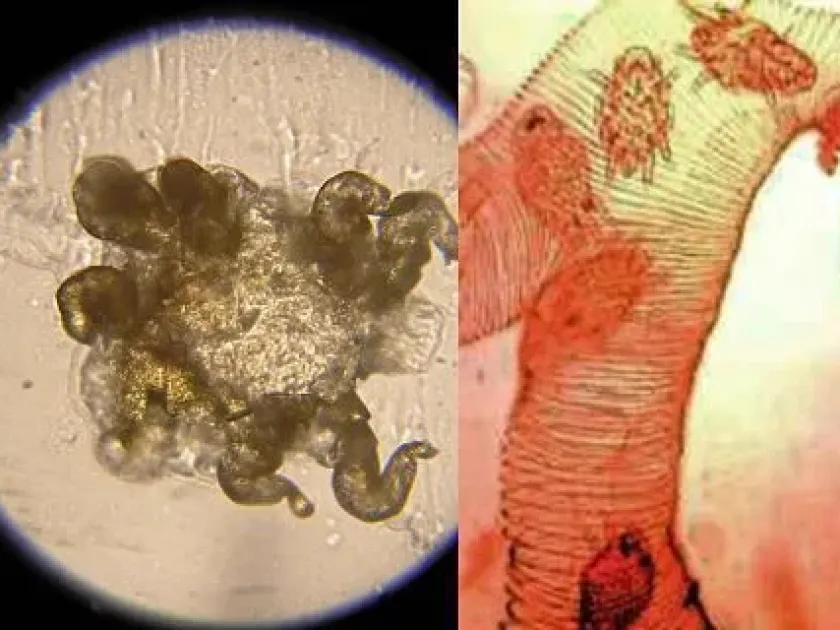
The tracheal mite (Sternostoma tracheacolum) is a microscopic endoparasite belonging to the Rhinonyssidae family. It is important to note that this is not a plant pest but a specialized parasite that infests the respiratory system of various passerine birds, such as canaries and finches.
Adult mites measure approximately 0.3 to 0.5 mm in length and have an oval-shaped, translucent body. They are virtually invisible to the naked eye, allowing them to thrive undetected within the host's trachea, bronchi, and air sacs.
Taxonomically, this parasite is part of the Mesostigmata order. It is an obligate parasite, meaning it completes its entire life cycle inside the avian respiratory tract, where it feeds on hemolymph and mucous membrane secretions using its piercing mouthparts.
Transmission occurs primarily through direct contact, especially during the feeding of nestlings by parents or during mating. Because the mite has a limited survival time outside the host, the infection is typically spread within the flock via close proximity.
Diagnosis requires professional veterinary intervention. This often involves transillumination of the trachea to visualize the mites or performing a tracheal swab to identify parasites or their eggs under a microscope.
What it damages
The tracheal mite causes a debilitating condition known as sternostomosis. The parasites create physical obstruction in the bird’s airway, which significantly compromises the respiratory function of the affected animal.
The infestation leads to severe inflammation, swelling of the mucosal tissues, and excessive mucus production. This constriction of the airway passages forces the bird to exert much more effort to breathe, leading to exhaustion.
In bird colonies, these mites can cause high mortality rates, particularly among young birds. Infested birds suffer from chronic hypoxia, which leads to physical weakness, loss of appetite, and a drastic reduction in overall vitality.
A major indirect threat is the suppression of the bird's immune system, which frequently leads to secondary bacterial and fungal respiratory infections that complicate the primary mite infestation.
In terms of agricultural and hobbyist impact, the economic loss is significant due to the high cost of veterinary treatment, the potential for breeding failure, and the risk of losing valuable specimens if the infestation is not managed early.
Signs of infestation
The earliest clinical sign is an audible clicking or wheezing sound when the bird breathes, often referred to as "clicking syndrome." Affected birds may frequently open their beaks wide in an attempt to get more air.
Behavioral changes are prominent; birds may flick their heads repeatedly as if trying to clear their throats. They often appear lethargic, sitting fluffed up on their perches with their eyes closed for extended periods.
Songbirds will typically cease singing, which is often the first warning sign for owners. As the infestation progresses, birds become thin, display difficulty in maintaining their posture, and show signs of severe respiratory distress.
A visual check under bright light can sometimes reveal small, dark spots within the translucent trachea, which correspond to groups of feeding mites. However, the absence of visible spots does not rule out a low-level infection.
In terminal cases, the bird becomes extremely weak, leading to collapse and death. Post-mortem examinations in such instances usually confirm a heavy load of parasites throughout the respiratory tract.
Control measures
The primary control method involves the administration of systemic acaricides, such as ivermectin or moxidectin. These must be administered under veterinary guidance to ensure correct dosage based on the bird's weight.
Environmental sanitation is crucial. All cages, perches, and drinking containers must be thoroughly disinfected. Since the mite cannot survive for long outside the host, these measures are highly effective at preventing re-infestation.
Strict quarantine protocols for all new birds are essential to prevent the introduction of the mite into a clean flock. New specimens should be treated and monitored in isolation for at least 30 days.
Supportive care, including proper nutrition and optimal air quality, is vital to help the bird recover its health and strengthen its immune system after the parasite load has been reduced.
- Systemic veterinary acaricide treatment.
- Quarantine of new birds for 30+ days.
- Thorough cleaning and disinfection of cages.
- Monitoring of respiratory health in the flock.
- Supportive nutritional care during recovery.
Taxonomy
- Latin name
- Sternostoma tracheacolum
- Order
- Mites
- Family
- Rhinonyssidae
- EPPO code
- STSATR
Discussion
No discussions yet — be the first.