
Stenocaecilius
Stenocaecilius
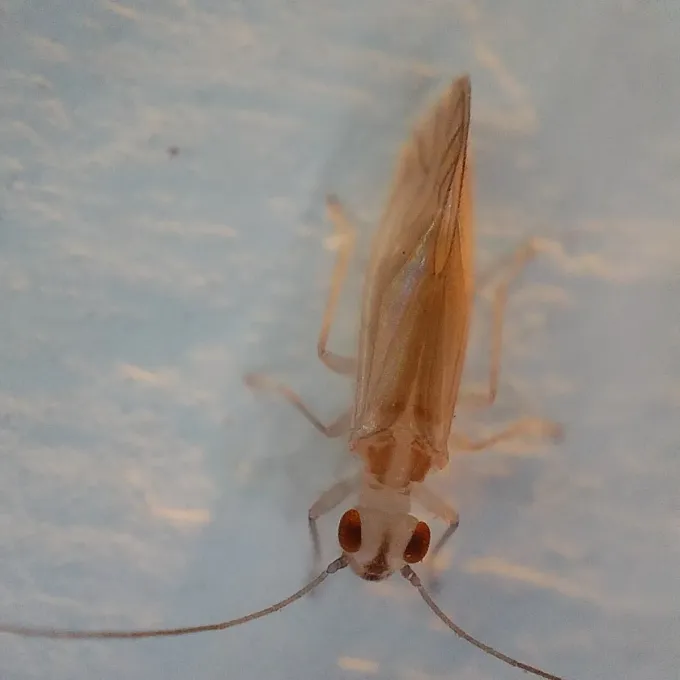
Description
How to identify
Stenocaecilius belongs to the order Psocoptera, commonly known as barklice or booklice. These insects are microscopic, typically measuring only 2–3 mm in length.
They possess a distinct body shape with clear, netted wing venation in adult stages and long antennae used for sensing their environment.
Their coloration is generally cryptic, ranging from pale yellow to light brown, which helps them blend in with plant surfaces or tree bark.
Nymphs resemble smaller, wingless versions of the adults, often found in clusters on the underside of leaves or within sheltered plant crevices.
These insects are highly agile and will scurry away rapidly when disturbed, making them difficult to spot during a quick casual inspection.
What it damages
Stenocaecilius can infest a variety of plants, including fruit trees, berry bushes, and ornamental nursery crops kept in humid conditions.
While they often feed on fungal spores and algae on leaf surfaces, high populations can cause direct physical damage to delicate plant tissues.
Their presence often leads to the development of sooty mold, which impairs photosynthesis by covering the surface of the leaves in a black layer.
In greenhouses, they can become a significant nuisance, particularly on ornamental plants where leaf appearance is critical for market value.
Although they are not typically considered major primary pests, they contribute to the overall weakening of plants in stress-prone environments.
When it appears
Their activity is strongly correlated with humidity levels; they thrive in warm, damp conditions that promote mold and algal growth.
In outdoor settings, peak activity is observed during the mid-to-late summer months following periods of high rainfall or irrigation.
Within greenhouses or indoor plant collections, they can reproduce continuously if the humidity remains consistently high throughout the year.
Life cycles are relatively short, allowing for rapid population explosions within a single growing season if left unmanaged.
As temperatures drop in late autumn, their activity levels decrease, and they seek out protected areas to survive the winter season.
Signs of infestation
Visible signs of an infestation include the presence of fine, silk-like webbing or small, translucent patches on leaves where they have grazed.
One common indicator is the accumulation of microscopic dark frass (droppings) on the leaves, which often gets colonized by secondary fungi.
Plants may show reduced vigor, with leaves appearing dull or chlorotic compared to healthy, non-infested foliage in the same area.
Mechanical disturbance of the plant canopy often reveals quick, darting movements of small insects fleeing from the light.
In severe cases, a sticky or greasy residue might be observed on the leaf surface, indicating a combination of insect activity and subsequent fungal growth.
Control measures
Improving air circulation and reducing humidity levels is the most effective cultural method to discourage colonization.
Regular sanitation, such as removing dead foliage and debris from the base of plants, significantly reduces their preferred habitats.
In commercial operations, monitoring using sticky traps can help detect populations early before they reach damaging levels.
If chemical intervention is necessary, broad-spectrum insecticides or horticultural oils may be used, strictly following label instructions.
Promoting a balanced ecosystem by encouraging beneficial predatory insects can help keep populations of barklice under natural control.
Taxonomy
- Latin name
- Stenocaecilius
- Family
- Caeciliusidae
- EPPO code
- STEZSP
Discussion
No discussions yet — be the first.