
Lily moth
Spodoptera picta
Description
How to identify
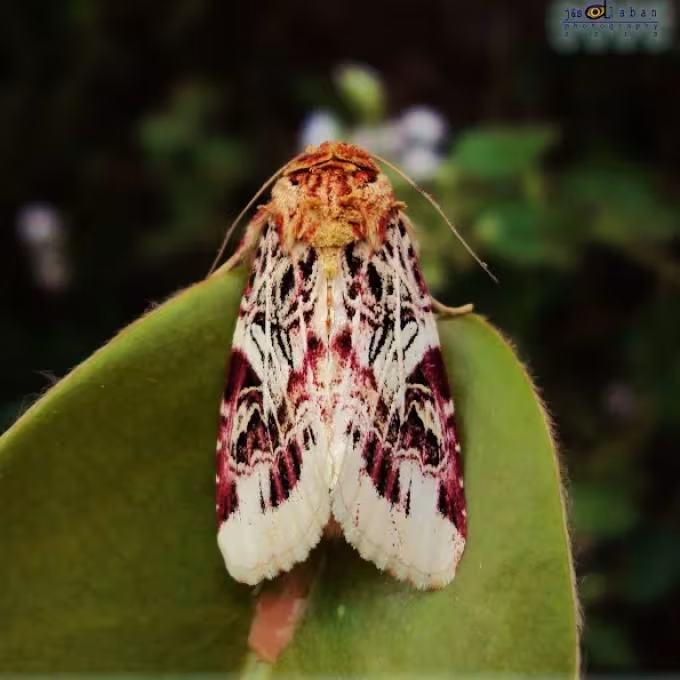
The Lily moth, Spodoptera picta, belongs to the Noctuidae family within the order Lepidoptera. Adult moths typically exhibit a mottled brown or grey coloration, providing excellent camouflage against foliage and soil environments where they rest during the day.
The larval stage consists of caterpillars that undergo several molts, changing in size and color as they mature. Their body color often blends with the host plant, ranging from various shades of green to darker, more cryptic tones that help them hide from predators.
The life cycle encompasses eggs, larvae, pupae, and adults. Because this species is highly adaptable, it can complete multiple generations per year in temperate and tropical climates, making persistent monitoring essential for successful control.
Pupation usually occurs within the upper layers of the soil or tucked away in dense plant debris. This stage is critical, as it allows the population to persist in the environment even when host plants are limited.
Adult moths are primarily nocturnal. They are attracted to artificial light sources, which makes light trapping an effective diagnostic tool for detecting the presence of the population in a specific area.
What it damages
This pest primarily affects plants in the Amaryllidaceae and Liliaceae families. Lily species, Hippeastrum, Crinum, and Amaryllis are among the most frequently attacked crops in both open-field settings and greenhouse environments.
Larvae are voracious eaters, targeting tender foliage, buds, and stems. By consuming the plant tissue, they significantly reduce the plant's ability to photosynthesize, which weakens the entire specimen over time.
Severe infestations often result in the destruction of flower buds, preventing the plant from blooming. This causes substantial economic losses for commercial growers who depend on the aesthetic quality of these flowers.
In addition to direct feeding, the wounds caused by larvae act as entry points for various bacterial and fungal pathogens, potentially leading to rot in bulbs and causing plant death.
Young plants are particularly vulnerable; a high density of caterpillars can strip a seedling of its leaves completely within a few days, leading to irreversible physiological stress and mortality.
Signs of infestation
The most noticeable sign of a Lily moth infestation is the presence of irregular holes and ragged edges on the leaves. As the larvae grow, these feeding sites expand and become more apparent.
The presence of dark, granular fecal matter, known as frass, on the plant surfaces or near the base of the stems is a diagnostic indicator that larvae are currently active and feeding on the host.
Deformed or withered buds are common, especially when larvae have burrowed into the developing flower head, effectively destroying the plant's reproductive or display value.
Searching the undersides of leaves or the crevices between the stem and leaf base during the evening hours often reveals the presence of larvae, as they congregate in these areas during the day to avoid direct light.
Silk webbing may be observed on the plant, as larvae sometimes use silk to anchor themselves while feeding or to construct simple shelters within the folded foliage.
Control measures
Cultural control methods include diligent weeding, which removes secondary host plants, and thorough soil cultivation to disrupt the pupation cycle of the moth within the topsoil layers.
Manual removal of caterpillars is highly effective in small-scale plantings. Daily inspections during the evening, when larvae are most active, can help keep the population below the economic threshold without chemicals.
Biological control options, such as using Bacillus thuringiensis, are highly effective against younger larval stages and represent an environmentally friendly approach to managing this pest.
Chemical insecticides should be reserved for severe outbreaks. It is essential to select products that are registered for use on ornamental plants and to rotate different chemical classes to prevent the development of pesticide resistance.
Using pheromone traps is an advanced strategy for monitoring adult moth populations, allowing growers to time their control interventions precisely to maximize the efficacy of any applied treatments.
Taxonomy
- Latin name
- Spodoptera picta
- Order
- Lepidoptera (butterflies)
- Family
- Noctuidae
- EPPO code
- SPODPI
Discussion
No discussions yet — be the first.