
Cotton bollworm
Spodoptera hipparis
Description
How to identify
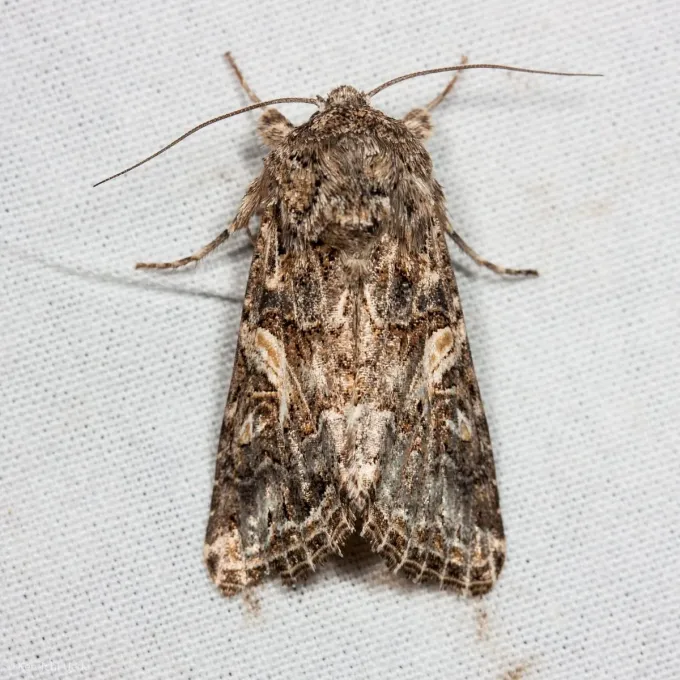
The cotton bollworm Helicoverpa armigera (often classified alongside Spodoptera hipparis as a primary pest) is a member of the Noctuidae family. The adult moth has a wingspan of 35–40 mm with a variable color palette ranging from pale yellow to olive-brown.
The larvae progress through six instars, changing coloration from light green to dark brown or blackish hues as they mature. Their body is marked with distinct longitudinal stripes, which helps with cryptic camouflage on host plants.
Pupae overwinter in the soil at a depth of 5–15 cm. They have a mahogany-brown color and a distinct feature of two spines on the cremaster, which is essential for accurate field identification.
Females are highly prolific, capable of laying up to 2,000 eggs individually or in small clusters on the foliage and reproductive parts of the plants. The eggs are small, yellowish-white, and semi-spherical.
The rapid life cycle allows for multiple overlapping generations per season, making it a highly adaptable pest capable of thriving in various climatic conditions across the globe.
What it damages
This species is a major polyphagous pest affecting over 120 host plants, including cotton, maize, tomatoes, soybean, and chickpeas. It causes significant economic damage to both fiber and food crops.
Early-stage larvae feed primarily on leaves, causing windowing or skeletonizing. As they grow, they shift their diet towards buds, flowers, and developing fruits, which results in direct yield loss.
In cotton, larvae bore into the bolls, leading to fruit shedding or rotting due to secondary fungal infections. In maize, they enter the ears, consuming grains and destroying the marketability of the crop.
The damage often goes unnoticed until the fruit begins to show signs of decay or premature drop. The destructive potential of a single larva during its lifespan is substantial enough to warrant strict monitoring.
Heavy infestations can lead to total crop failure if the populations are not managed during the initial stages of larval development before they become deeply embedded in fruit tissues.
When it appears
The emergence of the first generation of adults typically begins in spring when soil temperatures stabilize above 15–18 degrees Celsius. This marks the start of the breeding season.
The pest's activity is highly dependent on environmental conditions, with optimal development occurring in warm, humid weather. During hot and dry summers, the life cycle may be altered but remains active.
The peak infestation period usually coincides with the flowering and fruit-setting stages of the crop. Multiple generations often occur within a single growing season due to the warm climate.
Towards the end of the season, larvae descend into the soil to pupate and enter diapause, surviving the winter months in protected soil niches.
Effective monitoring involves the use of light traps and pheromone traps, which provide data on moth population spikes, allowing farmers to predict the timing of larval egg-hatching.
Signs of infestation
Early signs of an infestation include small holes in leaves and the presence of granular fecal pellets (frass) on the surface of the leaves or in the axils of the plant.
Visible damage to reproductive organs, such as flared or hollowed-out flower buds, is a strong indicator of bollworm presence. Affected buds often fail to develop and drop from the plant.
The presence of larvae tunneling into fruits, with a portion of their body protruding, is a classic visual sign of high-level infestation in cotton and tomato fields.
Stunted plant growth and general lack of vigor can also be observed when roots or stems have been stressed by repeated feeding in severe cases.
Night-time observations or pheromone trap catches serve as the primary indicator for the need to assess the density of egg clusters before widespread damage occurs.
Control measures
Deep plowing during the fall is an effective cultural practice that exposes pupae in the soil to predators and adverse weather, significantly reducing the overwintering population.
Biological control using egg parasitoids like Trichogramma species has proven effective in keeping populations below the economic injury level if deployed at the right time.
Chemical control should be targeted at first and second instar larvae. Using a combination of insecticides with different modes of action is vital to prevent the development of widespread resistance.
Integrated Pest Management (IPM) is the most sustainable approach, combining pheromone monitoring, biological agents, and selective insecticide application to minimize the chemical footprint.
- Monitor pheromone traps consistently.
- Remove weeds that host potential larvae.
- Apply biopesticides like Bacillus thuringiensis early.
- Rotate insecticide modes of action.
Taxonomy
- Latin name
- Spodoptera hipparis
- Order
- Lepidoptera (butterflies)
- Family
- Noctuidae
- EPPO code
- SPODHI
Discussion
No discussions yet — be the first.