
Spodoptera depravata
Spodoptera depravata
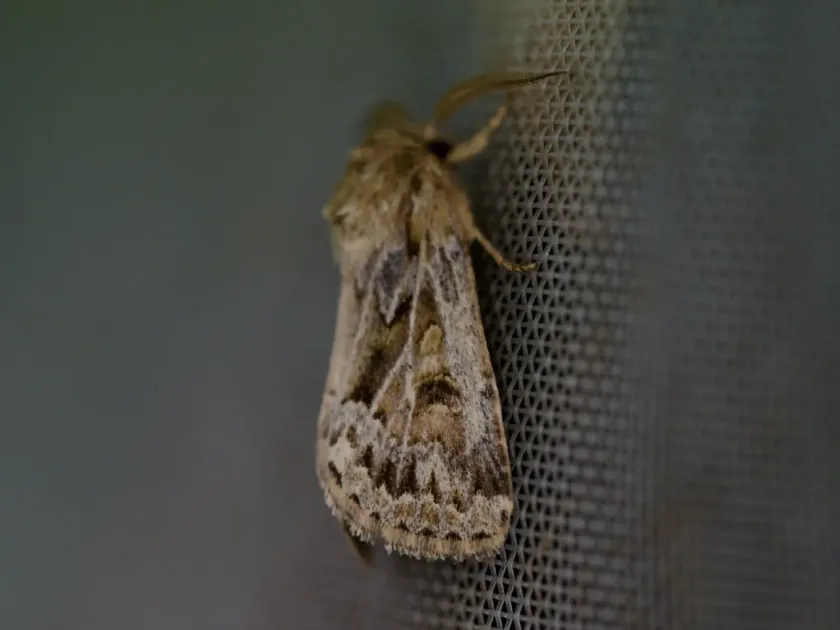
Description
How to identify
Spodoptera depravata is a member of the Noctuidae family, belonging to the order Lepidoptera. The adult moth typically displays a grayish-brown wing pattern, which acts as effective camouflage against plant debris and bark.
The larvae, or caterpillars, vary in color from pale green to deep brown, which helps them blend into different environments. They possess characteristic longitudinal stripes along the back, which are often used as a diagnostic feature for field identification.
The pupal stage occurs in the soil, where the insect remains protected. This phase is crucial for understanding the overwintering capacity of the pest, as it directly impacts the density of the next generation.
Eggs are typically deposited in clusters on the underside of leaves and covered with protective scales. This makes early detection difficult without a systematic scouting program during the early growth stages of the crop.
Environmental conditions, particularly temperature and humidity, play a significant role in the lifecycle timing. Warmer periods typically accelerate the development of larvae, leading to faster succession of generations within a single season.
What it damages
Spodoptera depravata is known to feed on a variety of plants, with a strong preference for cereal crops like wheat, barley, and maize. In some regions, it can also affect vegetables and forage grasses if the preferred hosts are unavailable.
Young larvae feed on the leaf epidermis, causing characteristic window-like damage. As they grow, their mouthparts become stronger, allowing them to consume entire leaves and even penetrate stems or grain heads.
The damage significantly reduces the photosynthetic area of the plants. In severe cases, the defoliation can lead to stunted growth, reduced grain filling, and eventual yield loss if not managed properly.
Feeding sites often serve as entry points for secondary infections, including fungal and bacterial pathogens. This increases the total damage, as the plant suffers from both pest herbivory and subsequent disease development.
Mass infestations are capable of destroying vast areas of crops within a short timeframe. Early warning signs, such as chewed leaf edges, require immediate agronomic assessment to prevent the spread to healthy sections of the field.
Control measures
Integrated Pest Management (IPM) is the most effective approach for controlling Spodoptera depravata. This begins with proper soil tillage, which disturbs the soil-dwelling pupae and significantly reduces the overwintering population.
Weed management is essential, as many weed species serve as alternative hosts during the early or late stages of the season. Removing these plants from field margins helps reduce the initial pest pressure.
Chemical control remains a viable option when populations exceed the economic threshold. Applying systemic or contact insecticides is most effective during the early larval stages, before the insects become too large and resilient to treatment.
Biological control, such as releasing egg parasitoids like Trichogramma, offers a sustainable alternative to chemical sprays. These natural enemies can significantly lower the pest density without disrupting the ecological balance.
- Regular monitoring with pheromone traps.
- Timely chemical applications based on economic thresholds.
- Rotation of insecticides to prevent resistance development.
- Encouraging natural predators and parasitoids in the fields.
- Deep plowing to manage soil-bound life stages.
Taxonomy
- Latin name
- Spodoptera depravata
- Order
- Lepidoptera (butterflies)
- Family
- Noctuidae
- EPPO code
- RUSIDE
Discussion
No discussions yet — be the first.