
Spaelotis
Spaelotis
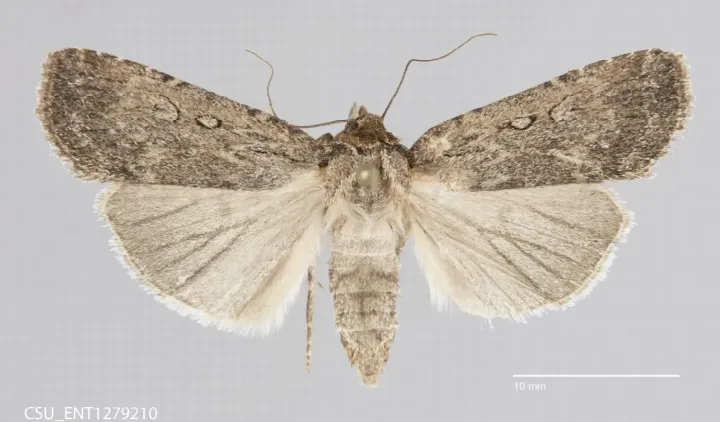
Description
How to identify
Spaelotis is a genus of moths belonging to the family Noctuidae. Adult moths typically exhibit cryptic coloration, with forewings in shades of brown or grey, which provides effective camouflage against soil and organic debris during the day.
The larvae, known as cutworms, have a robust, cylindrical body typically ranging in color from earthy grey to dark brown. Their mouthparts are highly developed for shearing through the stems and roots of plant hosts.
The genus is part of the Noctuinae subfamily. One of the most common and damaging species in this group is Spaelotis ravida, which is widely distributed across temperate regions and is known to impact various crops.
Larvae are largely nocturnal, remaining hidden in the upper layers of the soil or beneath plant litter during daylight hours, making them difficult to spot without digging into the substrate.
Pupation occurs within the soil, where the insect constructs a protective earthen chamber. This structure protects the developing pupa from environmental fluctuations and many ground-dwelling predators.
What it damages
Spaelotis species are generalist feeders capable of damaging a wide range of host plants, including cereal crops like wheat, barley, and rye, as well as several vegetable varieties.
The primary damage is caused by the larval stage. Cutworms feed on the roots, underground stems, or the base of the plant stem, effectively severing the water and nutrient transport pathways.
When populations reach high levels, damage often appears as patches of thin or dying crops, where individual plants have been toppled or destroyed at the soil line by the feeding activities of the larvae.
The pest is especially damaging in dry conditions, as larvae may increase their feeding intensity to satisfy their moisture requirements by consuming the succulent tissues of young crop plants.
Economic damage can occur rapidly, especially in young seedlings. A single larva can destroy multiple plants during the growth phase, significantly reducing the density and overall yield potential of a field.
When it appears
The life cycle of Spaelotis generally consists of one generation per year, though specific timing may fluctuate depending on regional climate conditions and annual temperature variations.
The insect typically overwinters as a partially developed larva buried within the soil profile. As spring temperatures rise, these larvae become active and begin feeding on early-growth vegetation.
Peak feeding activity usually aligns with the spring growth period of winter cereals. Moths typically emerge and take flight during the summer months, specifically June and July, to begin the mating cycle.
Females lay their eggs in or near the soil surface, often selecting sites with existing weed cover, which provides an immediate food source for the newly hatched young larvae.
After the summer feeding period, the larvae undergo a transition and enter the soil to overwinter, ensuring they are protected from sub-zero temperatures during the winter months.
Signs of infestation
The first signs of a Spaelotis infestation include the appearance of wilted or thinning patches within a field, often resembling irregular gaps in an otherwise healthy crop canopy.
Inspecting the base of these affected plants reveals shredded tissue or stems cleanly cut at the soil surface, which is a classic indicator of cutworm activity within the soil.
By carefully excavating the top 2-5 cm of soil near damaged plants, one can often find the larvae curled in a characteristic C-shape, which is their natural defensive posture when disturbed.
The presence of adult moths in light traps during the summer suggests the potential for future infestations and highlights the need for monitoring the field in the subsequent season.
Weed-heavy areas are often focal points for infestations, as these provide ideal conditions for oviposition and early larval development before they switch to the primary crop.
Control measures
Cultural control practices are the first line of defense. Deep autumn plowing can effectively disrupt the soil, exposing overwintering larvae and pupae to predators and adverse weather conditions.
Rigorous weed control both within the field and in surrounding margins is essential, as these weeds often serve as the primary host plants for the early stages of the moth population.
Maintaining a diverse crop rotation is a highly effective strategy to prevent the buildup of Spaelotis populations, as it breaks the continuous cycle of host availability in the same location.
When threshold levels are exceeded, chemical control via insecticides is recommended. Applications are most effective when timed for evening hours, coinciding with the peak nocturnal activity of the larvae.
Pheromone monitoring traps help growers track moth emergence accurately, allowing for precise decision-making regarding the timing and necessity of chemical intervention throughout the season.
Taxonomy
- Latin name
- Spaelotis
- Order
- Lepidoptera (butterflies)
- Family
- Noctuidae
- EPPO code
- SPAESP
Discussion
No discussions yet — be the first.