
Thief ant
Solenopsis fugax
Description
How to identify
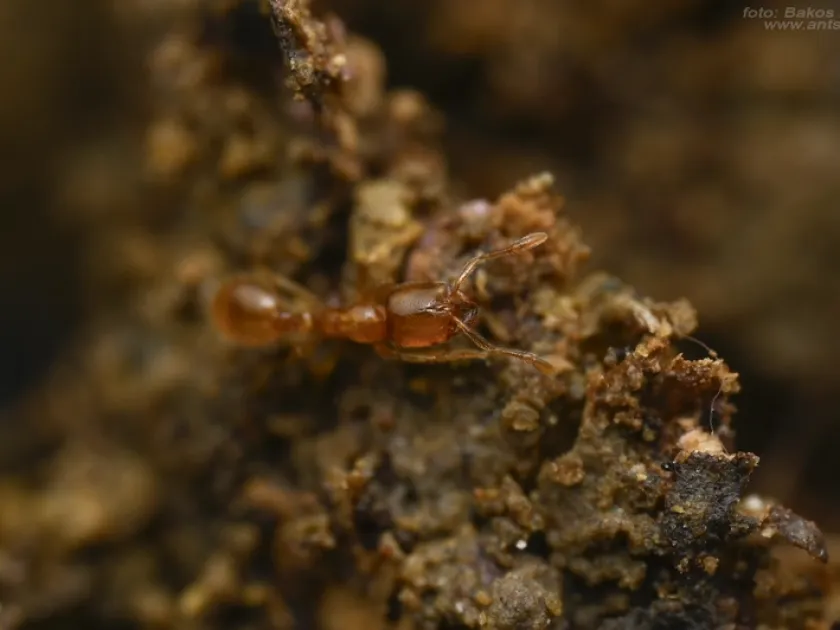
The thief ant (Solenopsis fugax) is a small species of ant within the Formicidae family. Workers are typically pale yellow or brownish in color and measure approximately 1.5 to 3 millimeters in length.
They are named for their unique behavior of nesting near the colonies of larger ant species and raiding their nests through tiny underground tunnels to steal brood and food supplies.
These ants are extremely elusive and spend most of their life cycle underground, making them difficult to detect until significant damage to plants has already occurred.
The species is polygynous, meaning colonies contain multiple queens. This biological trait allows the colony to survive disturbances and regenerate quickly even if partially destroyed.
Due to their small size, they can easily navigate through soil pores and cracks, allowing them to infiltrate root zones of various garden and field crops.
What it damages
Thief ants cause economic damage by feeding on seeds and young seedlings. They often hollow out germinating seeds shortly after sowing, leading to poor crop stands.
In addition to seeds, they can damage the root systems of young seedlings, particularly in greenhouse environments, causing stunting, wilting, and plant death.
These ants also maintain a mutualistic relationship with aphids, protecting them from predators in exchange for honeydew, which leads to increased aphid infestations on crops.
By disturbing the soil around the roots, they can create cavities that hinder water and nutrient uptake, leaving the plants susceptible to secondary soil-borne pathogens.
High populations of these ants in agricultural fields can lead to significant reductions in yield, especially when combined with drought stress that forces ants to seek moisture and nutrients from plants.
When it appears
Activity for Solenopsis fugax typically begins in the spring as soil temperatures rise, usually coinciding with the planting season for most vegetables and field crops.
The peak period of damage occurs during seed germination and the early establishment phase of seedlings when the plants lack developed root systems and physical defenses.
Throughout the summer months, the colonies are highly active as they expand their underground tunnel networks and maximize their search for food and moisture resources.
In the autumn, as temperatures drop, the ants begin to move deeper into the soil profile to overwinter at depths protected from freezing conditions.
In greenhouse settings with controlled climates, these ants can remain active year-round, posing a constant threat to year-round production cycles.
Signs of infestation
Poor and uneven crop emergence is the primary sign of infestation, often occurring despite adequate moisture and high-quality seeds being used during the planting process.
Excavating the soil in affected rows will often reveal seeds that are hollowed out or have significant bite marks, indicating the presence of subterranean foragers.
The appearance of small mounds of soil with tiny entrance holes near wilting plants is a characteristic indicator of an underground nest system nearby.
Observation of small yellow ants tending to aphid colonies on leaves or stems is a strong indicator that a significant colony of thief ants is established in the area.
Stunted growth or sudden yellowing of plants, combined with visible damage to the root system upon examination, confirms the activity of these soil-dwelling pests.
Control measures
Cultural control practices, such as frequent and deep tillage, are effective at disrupting the nest architecture and forcing the colonies to abandon the area.
Using slow-acting bait formulations is the most effective chemical method; foraging ants carry the bait into the nest, ensuring the destruction of the queens.
Seed treatments with appropriate insecticides provide a protective barrier around the seed, preventing the ants from damaging them during the critical early stages of germination.
Effective aphid management is essential to reduce the attractiveness of the garden to thief ants, as the loss of honeydew supplies limits the colony's nutritional intake.
Biological controls, including the use of entomopathogenic fungi or nematodes, can be used to suppress ant populations in an environmentally friendly manner.
Taxonomy
- Latin name
- Solenopsis fugax
- Order
- Hymenoptera
- Family
- Formicidae
- EPPO code
- SOLEFU
Discussion
No discussions yet — be the first.