
Simyra
Simyra
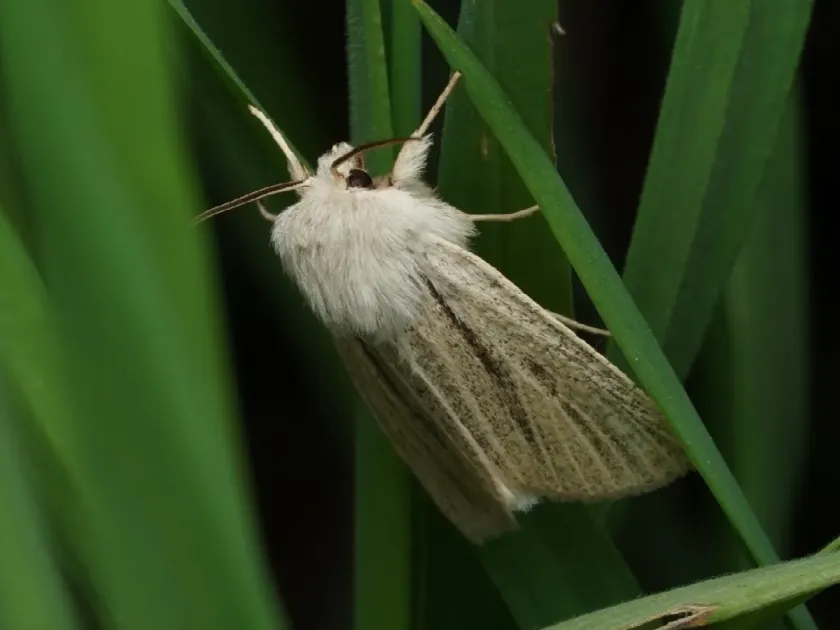
Description
How to identify
Simyra is a genus of moths belonging to the family Erebidae. The adult insects are typically medium-sized with a cryptic, greyish or brownish coloration that serves as effective camouflage on tree bark and dry vegetation.
The larvae, commonly referred to as caterpillars, are characterized by their dense covering of hairs or setae. These structures often give the larvae a fuzzy appearance and can be a defense mechanism against avian predators.
The body color of the caterpillars can vary significantly, ranging from pale yellow to dark brown, often featuring longitudinal stripes that help them blend into the foliage of their host plants.
The life cycle of Simyra consists of complete metamorphosis: egg, larva (caterpillar), pupa, and adult (imago). The species typically completes one or two generations per year, depending on the climatic zone.
Overwintering usually occurs in the pupal stage. The pupae are protected by silken cocoons often spun within plant debris, soil crevices, or under the loose bark of nearby trees.
What it damages
Simyra is considered a polyphagous insect, meaning it can feed on a wide variety of plant species. The primary damage is inflicted upon cereal crops and various grasses found in and around agricultural lands.
Caterpillars feed primarily on the foliage of host plants. By consuming leaf tissue, they reduce the surface area available for photosynthesis, which is critical for the development of grains and seeds.
Heavy infestations can lead to severe defoliation, where the caterpillars consume everything except the tough veins of the leaves, effectively skeletonizing the entire plant canopy.
In addition to leaf consumption, larvae may occasionally feed on reproductive parts such as developing grains, leading to direct yield loss and increased vulnerability to pathogens.
Stunted plant growth and decreased vigor are common outcomes of sustained feeding pressure, which may exacerbate the impact of secondary environmental stresses.
When it appears
The active feeding season for Simyra larvae begins in the spring, coinciding with the rapid vegetative growth of cereal crops. Adult moths emerge and begin egg-laying as temperatures stabilize.
Monitoring for the presence of early-stage larvae is most critical during the tillering and stem elongation phases of wheat, barley, and other small grains.
Depending on the region, a second generation of larvae may appear in the mid-to-late summer months, requiring continued vigilance in fields or adjacent natural habitats.
Larval activity tends to peak during periods of favorable moisture and temperature, which allow for rapid development of the population throughout the growing season.
Scouting protocols should be adapted to the regional phenology of the pest, ensuring that interventions are timed before the larvae reach their final, most destructive instars.
Signs of infestation
The most visible signs of infestation are ragged leaf edges where caterpillars have been feeding, often accompanied by the presence of dark frass (droppings) on lower leaves.
Caterpillars are often found by closely inspecting the undersides of leaves or protected leaf axils during the cooler hours of the day when they are most active.
Silken webs or remnants of cocoons found on the base of stems or within dense vegetation clusters indicate the presence and lifecycle progression of the pest in the area.
Large-scale defoliation is typically the final stage of an outbreak, following a period where smaller larvae were potentially missed during early field inspections.
- Ragged and skeletonized leaves.
- Visible hairy caterpillars on foliage.
- Accumulation of frass on lower plant parts.
- Small silken cocoons in plant crevices.
Control measures
Cultural control is a cornerstone of managing Simyra populations, including the practice of deep autumn plowing to disturb or destroy pupae overwintering in the soil.
Effective weed management both within and around fields is essential to remove alternative food sources that allow the pest population to build up early in the season.
Biological control agents, such as specialized parasitoid wasps or entomopathogenic fungi, play a vital role in suppressing Simyra populations in balanced ecosystems.
When pest density exceeds economic injury thresholds, the use of selective insecticides targeting larval stages can be employed, following integrated pest management (IPM) guidelines.
Maintaining crop health through balanced nutrition and proper moisture management helps plants withstand and recover from limited larval feeding damage.
Taxonomy
- Latin name
- Simyra
- Order
- Lepidoptera (butterflies)
- Family
- Noctuidae
- EPPO code
- SIMRSP
Discussion
No discussions yet — be the first.