
Sida crystallina
Sida crystallina
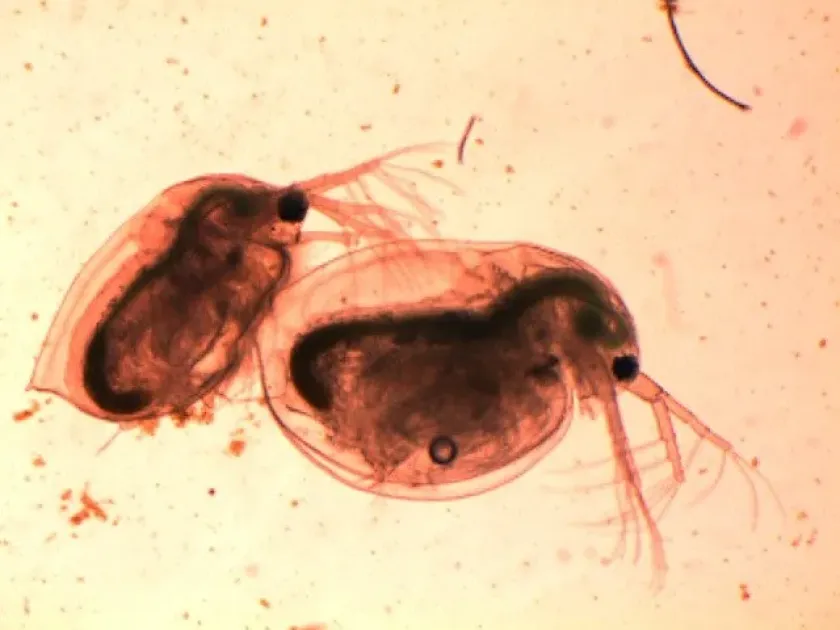
Description
How to identify
Sida crystallina is a moth species belonging to the order Lepidoptera and the family Pyralidae, often recognized by its unique wing scales.
The adult moth is relatively small, with a wingspan that showcases a crystalline shimmer under direct light, distinguishing it from other local pyralids.
Larvae pass through several instars, with the early stages being translucent, gradually becoming more opaque and patterned as they reach maturity.
The head capsule of the larvae is well-developed, designed for efficient chewing of plant fibers and leaf parenchyma tissues.
They are primarily nocturnal, hiding in dense foliage or under leaves during daylight hours to avoid predation by birds and other insects.
What it damages
This species primarily feeds on plants within the Malvaceae family, though it has been documented causing damage to various legumes in agricultural settings.
Larvae perform skeletonization of leaves, consuming the green tissue while leaving the vascular veins intact, which drastically reduces photosynthetic capacity.
Feeding damage on flower buds and emerging fruits often leads to abortion or deformity of the reproductive organs, directly impacting the final yield.
Secondary infections, such as bacterial soft rot, often enter the plant through the wounds created by the larvae during their feeding activity.
Severe infestations can lead to stunting of plant growth, significantly weakening the plant and making it susceptible to other environmental stressors.
When it appears
The life cycle of Sida crystallina is heavily dependent on ambient temperature, with most activity occurring during the warm summer months.
Adult moths typically emerge in late spring to early summer, seeking suitable host plants for oviposition on the undersides of leaves.
The larval stage is the most destructive period, usually peaking in mid-summer when crops are at their most vulnerable stage of development.
Pupation takes place either in the soil or within folded leaves, where the insect remains until environmental conditions trigger the next cycle.
In warmer climates, the species may complete two or more generations, leading to a continuous threat throughout the growing season.
Signs of infestation
Early signs of infestation include tiny white spots on leaves that indicate the start of larval feeding on the epidermis.
Accumulation of frass (larval droppings) near the feeding sites is a classic diagnostic feature that confirms the presence of the caterpillar.
The presence of fine silken webbing between leaves or around buds is a strong indicator of active larval feeding or shelter construction.
Yellowing or chlorosis of the foliage surrounding the feeding area is a physiological response to the localized destruction of leaf tissue.
- Small translucent holes in the leaf blades.
- Visible silken webs on leaf undersides.
- Wilting of terminal buds due to internal feeding.
- Dark granular excrement found on the plant foliage.
Control measures
Cultural control measures, such as deep tillage after harvest, are highly effective in disrupting the pupal stage and reducing the overwintering population.
Effective weed management is crucial, as wild Malvaceae species often act as reservoirs that bridge the gap between crop rotations.
Biological control through the release of natural enemies or the application of Bacillus thuringiensis-based pesticides provides a sustainable alternative to harsh chemicals.
If chemical intervention is necessary, targeted insecticides applied at the first signs of egg hatching provide the best economic control.
Monitoring the adult population using light traps or pheromone lures is recommended to time treatments accurately and minimize environmental impact.
Taxonomy
- Latin name
- Sida crystallina
- Family
- Sididae
- EPPO code
- SIDACR
Discussion
No discussions yet — be the first.