
Mediterranean corn stalk borer
Sesamia nonagrioides
Description
How to identify
The Mediterranean corn stalk borer (Sesamia nonagrioides) is a significant moth pest belonging to the Noctuidae family. It is a major threat to cereal crops, particularly maize, in Mediterranean-type climates.
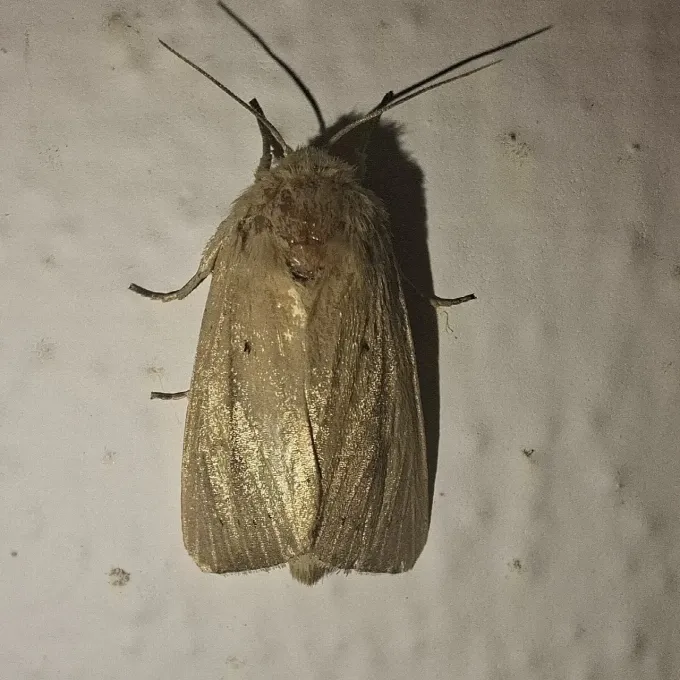
The adult moth has a wingspan of approximately 30–40 mm. The forewings are yellowish-brown or ochre in color with characteristic dark stripes, while the hindwings are whitish.
The larvae, which are the main cause of damage, are 30–40 mm long when fully grown. They have a yellowish-pink body with a distinct dark dorsal stripe and a brown head capsule.
Females deposit their eggs in groups, usually underneath the leaf sheaths of host plants. The eggs are covered by a specific secretion that hardens to protect them from environmental factors.
The pupae are reddish-brown and typically found within the stalks of host plants or in residual crop debris, which serves as a protective habitat during their development.
What it damages
Maize is the primary host for this pest, although it can also infest sorghum, millet, and other grasses. Larvae feed on the internal tissues of the plant stems, causing structural damage.
Early-stage larvae may feed on leaf tissue, but they soon migrate to bore into the stalk. This tunneling disrupts the plant's vascular system, hindering the transport of water and nutrients.
Stalk damage leads to reduced grain yield and lower quality of silage. Furthermore, the tunneling weakens the plant, making it prone to lodging under wind pressure.
The tunnels created by the larvae provide entry points for various pathogens, including fungi that cause stalk and ear rot, leading to additional qualitative losses.
In cases of severe infestation, the loss of photosynthetic area and disrupted sap flow can lead to complete plant death or stunted growth, significantly impacting farm profitability.
When it appears
The pest overwinters as mature larvae within the stems of maize or other crop residues left in the field. Pupation occurs in the spring when temperatures rise sufficiently.
The first generation of adults emerges in late spring or early summer. They are nocturnal and active during the night, which is when mating and egg-laying typically occur.
Depending on the climatic conditions of the region, the moth can produce several generations per year. Warm, humid summers significantly accelerate their life cycle.
The highest pest pressure is often observed during mid-to-late summer, coinciding with the peak vegetative and reproductive stages of the maize crop.
Autumn generations prepare for hibernation as temperatures drop, tunneling deep into the base of stalks to survive the winter period until the next growth season.
Signs of infestation
Visible signs of infestation include small entry holes on the stems, often surrounded by accumulations of larval frass (excrement) at the base of the plant.
One of the earliest symptoms is the "dead heart" condition, where the central leaf of the plant turns yellow and withers because the larva has damaged the growing point.
Field inspections may reveal bent or twisted stalks and patches of premature yellowing in the foliage, indicating internal damage to the plant's structure.
When an infested stalk is opened, long internal tunnels packed with debris and larvae of varying ages are typically found, confirming the pest's presence.
During the grain-filling stage, the presence of boreholes in the ear shanks is a clear sign, often leading to deformed ears and secondary infections by molds.
Control measures
Cultural control is essential; this involves shredding crop residues immediately after harvest and plowing them deep into the soil to destroy overwintering larvae.
Crop rotation is a highly effective method to break the pest's life cycle, as it removes the primary food source needed for the borer's development in consecutive years.
- Biological control through the release of Trichogramma wasps to parasitize eggs.
- The use of resistant or genetically modified maize hybrids that naturally deter stalk borer feeding.
- Application of insecticides targeting the neonate larvae before they successfully penetrate the stalks.
- Monitoring adult population levels using pheromone traps to time insecticide applications accurately.
- Maintaining field hygiene by removing grassy weeds that may serve as alternative hosts during the early season.
Taxonomy
- Latin name
- Sesamia nonagrioides
- Order
- Lepidoptera (butterflies)
- Family
- Noctuidae
- EPPO code
- SESANB
Discussion
No discussions yet — be the first.