
Scypha compressa
Scypha compressa
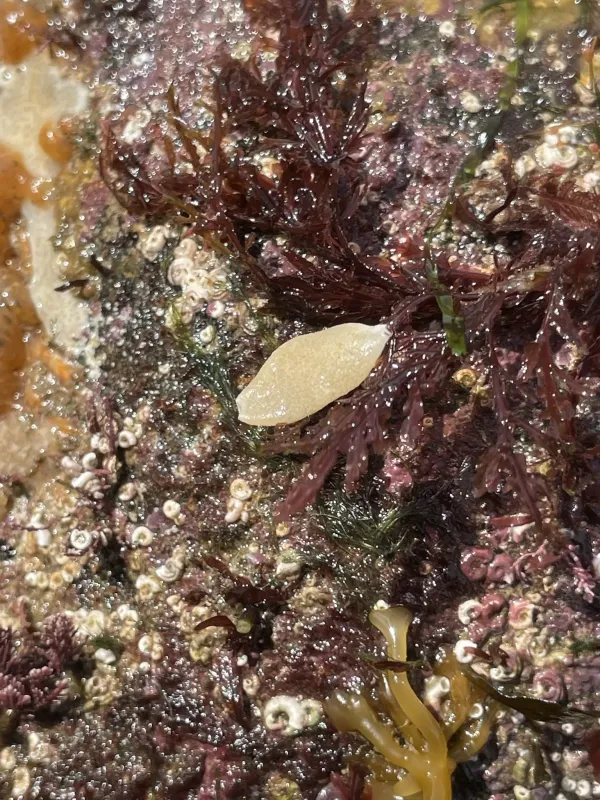
Description
How to identify
Scypha compressa is a species of insect belonging to the order Hemiptera and the family Miridae (plant bugs). As the name suggests, the species is characterized by a compressed body structure.
The morphology of this insect includes specialized sucking mouthparts designed for extracting nutrient-rich fluids from plant tissues, which is typical for the Miridae family.
Their life cycle involves incomplete metamorphosis, moving through egg, nymph, and adult stages. This biological process means nymphs often feed alongside adults on the same host plants.
These insects are primarily associated with various grasses and herbaceous plants, adapting to different environments depending on the availability of their food sources.
Accurate identification of Scypha compressa is essential for integrated pest management, as it helps distinguish this pest from beneficial or neutral mirid species that may also inhabit the field.
What it damages
Scypha compressa causes damage by feeding on the sap of herbaceous crops. Both nymphs and adults pierce the plant surface to extract cell contents, which disrupts normal physiological processes.
The immediate result of this feeding is the loss of turgor in the plant cells, leading to localized wilting and the formation of chlorotic spots on leaves.
In cases of heavy infestation, the damage can lead to the deformation of leaves and stems, significantly weakening the plant and inhibiting its overall growth potential.
Furthermore, the feeding sites serve as entry points for secondary infections by pathogens, which can exacerbate the negative effects on crop health and yield.
The impact of this pest is most significant during the early vegetative stages of plant development, where damage can lead to permanent growth stunting.
Signs of infestation
The most visible signs of Scypha compressa infestation include the appearance of small, pale lesions on leaves, often concentrated near the veins or along the leaf margins.
As the feeding continues, these spots may expand or coalesce, eventually leading to leaf yellowing and necrosis in the most severely affected plant parts.
Observing the plants closely might reveal nymphs or adults, although they are generally cautious and tend to hide when disturbed, often moving to the undersides of leaves.
Regular field scouting using sweep nets is the most effective way to detect early signs of a pest population increase before significant damage becomes visible to the naked eye.
Changes in plant vigor, such as uneven growth or slowed development of floral buds, can also serve as indicators that a population of plant bugs is actively feeding on the crop.
Control measures
Effective management of Scypha compressa relies on an integrated pest management (IPM) approach that prioritizes cultural practices to reduce pest pressure.
Cultural control measures include maintaining clean fields by removing weed hosts, which often serve as primary reservoirs for these insects before they move to agricultural crops.
Biological control plays a crucial role, as conserving and encouraging natural predators like predatory bugs and spiders can help keep the pest population below economic injury levels.
If chemical intervention becomes necessary due to high population density, selecting selective insecticides that are safe for beneficial insects is recommended to maintain ecological balance.
Ongoing monitoring and tracking of pest cycles allow for targeted interventions, ensuring that crop protection measures are applied at the most vulnerable stage of the pest's life cycle.
Taxonomy
- Latin name
- Scypha compressa
- Family
- Grantiidae
- EPPO code
- SYCPCO
Discussion
No discussions yet — be the first.