
Yam nematode
Scutellonema bradys
Description
How to identify
The yam nematode, Scutellonema bradys, is a significant plant-parasitic nematode belonging to the family Hoplolaimidae within the order Tylenchida.
It is a migratory endoparasite, meaning it moves freely within the plant tissue, causing continuous destruction of cells through its specialized feeding stylet.
The nematode is microscopic, with adults typically measuring between 0.5 and 1.2 mm in length, making them invisible to the naked eye during initial inspections.
They reproduce by laying eggs within the host tissue or soil, leading to a rapid buildup of population densities during the growing season of the crop.
Due to its potential for international spread through tuber trade, it is classified as a quarantine pest in many countries worldwide.
What it damages
The primary host for this nematode is the yam (Dioscorea spp.), a vital crop for food security in many tropical and subtropical regions.
The pest invades the tubers, feeding on parenchyma cells and causing internal breakdown, which significantly reduces both the weight and market value of the harvest.
While yams are the main target, the nematode can survive on the roots of alternative plant species, complicating efforts to manage the pest via crop rotation.
The physical damage caused by the nematode acts as an entry point for secondary bacterial and fungal pathogens, leading to severe storage rots.
Yield losses can be catastrophic, often exceeding 50% in heavily infested areas, particularly after months of storage in warm and humid conditions.
When it appears
The life cycle of Scutellonema bradys is closely aligned with the development stages of the yam plant and the subsequent storage period of tubers.
During the growing season, nematodes migrate from the soil into the developing tubers, where they find ideal conditions for feeding and reproduction.
The activity continues unabated in storage, as the nematodes multiply within the tuber tissues, leading to increased damage over time.
Optimal conditions for population growth occur at temperatures between 25 and 30 degrees Celsius, which are characteristic of many yam-growing regions.
In the absence of a host, the nematodes can persist in the soil for significant periods, though their survival is dependent on moisture levels.
Signs of infestation
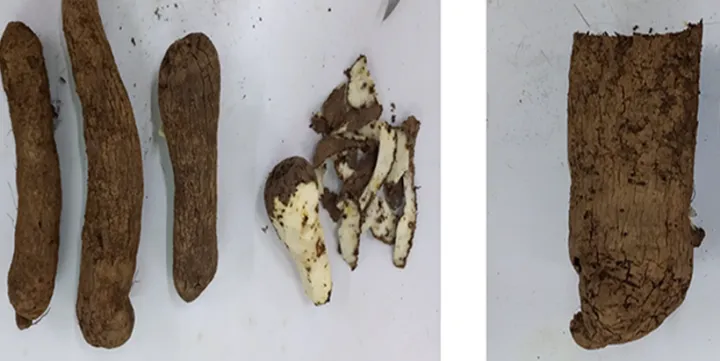
External symptoms on tubers appear as dark, dry, and cracked patches on the skin, which may be overlooked during initial harvesting if infestations are light.
When the tuber is sliced, affected areas show deep, dark brown, or black necrotic tissue, clearly demarcated from healthy, creamy flesh.
The texture of the damaged tissue becomes soft, spongy, and brittle, often accompanied by an unpleasant odor due to rapid colonization by decay microorganisms.
Infection can also lead to weakened root systems, resulting in stunted top growth, yellowing leaves, and reduced overall plant vigor in the field.
- Dark, cracked tuber skin
- Internal dark brown necrotic lesions
- Spongy texture of tuber flesh
- Increased incidence of storage rot
- Stunted plant growth and chlorosis
Control measures
The most effective strategy is the use of nematode-free, certified seed tubers to prevent the introduction of the pest into clean fields.
Hot water treatment (soaking tubers at precise temperatures for specific durations) is a proven method for eliminating nematodes from planting material.
Crop rotation with non-host crops, such as certain cereals, is essential for reducing soil nematode populations over multiple seasons.
Applying organic amendments and biological control agents can create a suppressive environment in the soil, limiting the ability of the nematode to reach roots.
Maintaining cool, dry, and well-ventilated storage conditions for harvested yams is critical to slow down the progression of nematode infestations.
Taxonomy
- Latin name
- Scutellonema bradys
- Order
- Nematodes
- Family
- Hoplolaimidae
- EPPO code
- SCUNBR
Discussion
No discussions yet — be the first.