
Scotogramma
Scotogramma
Description
How to identify
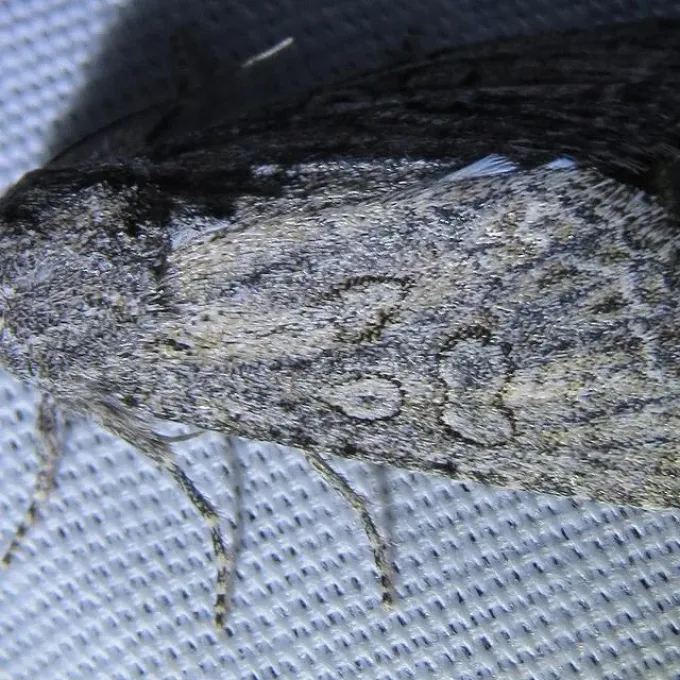
The genus Scotogramma belongs to the Noctuidae family, within the order Lepidoptera. These nocturnal moths are recognized by their characteristic morphology, which facilitates excellent camouflage during daylight hours.
Adult moths typically exhibit a stout, hairy body with forewings featuring complex, muted patterns. These markings mimic natural surroundings such as bark or dry soil, providing significant protection against avian predators.
The larvae, commonly referred to as cutworms, have cylindrical bodies that may vary in color depending on the host plant species and environmental factors. Their larval stage is characterized by intense feeding activity.
The life cycle encompasses four main stages: egg, larva (caterpillar), pupa, and adult. Pupation generally occurs in the soil, which serves as a protective refuge during the overwintering period or unfavorable conditions.
The number of generations per year is highly dependent on climate. In warmer regions, these pests may complete multiple generations, leading to increased pressure on agricultural production throughout the season.
What it damages
The larvae are polyphagous, capable of feeding on a diverse range of agricultural crops, including vegetables, cereals, and industrial plants. This versatility makes them a persistent threat across various farming operations.
Young larvae initially consume leaf parenchyma, creating window-like damage. As they progress through instars, they move to thicker tissues, such as stems and reproductive structures, causing more significant structural damage.
Damage to seedlings is particularly critical, as cutworms can sever the main stem at the base, leading to complete plant loss. This often results in patchy crop stands and significant yield reduction.
Beyond direct tissue consumption, larval damage creates entry points for secondary pathogens like fungi and bacteria. These infections often exacerbate the initial damage, leading to rot and systemic plant weakness.
Under high population densities, these pests can cause severe economic losses by destroying buds and fruits. Their presence often renders harvestable produce unmarketable due to aesthetic and qualitative defects.
Signs of infestation
One of the earliest indicators of an infestation is the presence of irregular holes in leaves, which appear as the larvae begin their feeding cycle on developing plants.
The accumulation of larval frass on leaves or at the base of plants is a reliable indicator of active feeding activity. High volumes of excrement are directly correlated with the size of the pest population.
Stunted plant growth or wilting in the absence of obvious water stress often suggests root or stem damage caused by the larvae feeding near the soil line.
Because these insects are nocturnal, they are rarely seen during the day. Inspections are most effective at dawn or dusk when larvae are emerging from the soil to feed on foliage.
Visual confirmation of cut stems or damaged reproductive organs indicates the presence of larger larvae, which are capable of inflicting the most severe damage to the crop.
Control measures
Cultural control practices, such as deep autumn plowing, are highly effective. This technique disrupts the soil, exposing overwintering pupae to predators and adverse weather, significantly reducing spring populations.
Biological control involves the use of microbial insecticides containing Bacillus thuringiensis. These products are targeted against larval stages and offer an environmentally friendly alternative to traditional pesticides.
Chemical intervention should be based on economic threshold monitoring. Applications of contact or systemic insecticides are most effective when timed with the peak feeding activity of early-instar larvae.
Pheromone traps are essential for monitoring adult flights. By tracking moth activity, growers can predict peak egg-laying periods and apply protective measures with greater precision.
Maintaining clean field edges by removing weeds reduces the alternative host plants available to the pests. This helps minimize the likelihood of colonization and limits population expansion within the crop area.
Taxonomy
- Latin name
- Scotogramma
- Order
- Lepidoptera (butterflies)
- Family
- Noctuidae
- EPPO code
- SCOOSP
Discussion
No discussions yet — be the first.