
Sagalassa
Sagalassa
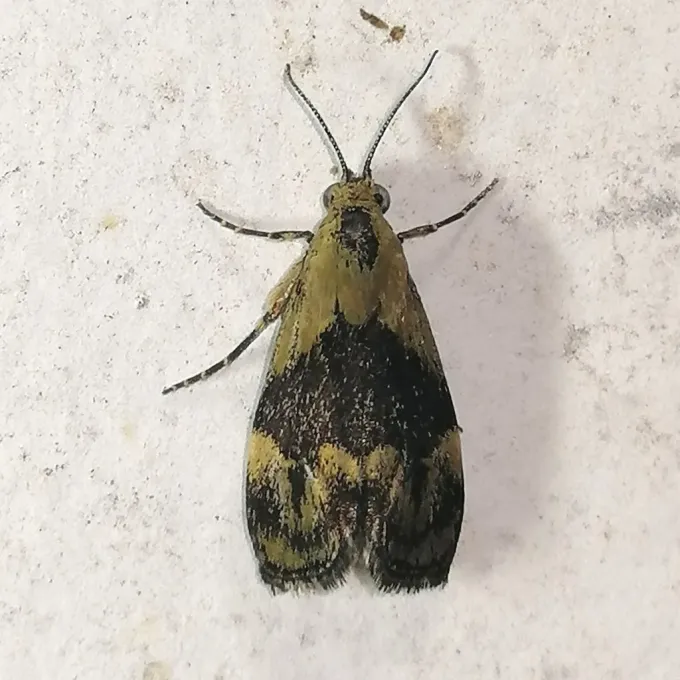
Description
How to identify
Sagalassa is a genus of moths belonging to the Brachodidae family. These insects are recognized in tropical agriculture as specialized pests that primarily target palm species.
Adult moths are generally small, with cryptic coloration that allows them to blend into their environment, making them difficult to detect during standard field inspections.
The larval stage is the primary destructive phase. The caterpillars possess robust mandibles adapted for boring into the fibrous tissues of palm trees, which is their preferred habitat.
The life cycle follows a complete metamorphosis: egg, larva, pupa, and adult. Each stage is sensitive to environmental variables like humidity and ambient temperature.
Proper identification usually requires entomological expertise, as distinguishing between related species within the family can be challenging for non-specialists.
What it damages
Sagalassa species, particularly those affecting oil palms, cause significant damage by boring into the root systems and the base of the trunk.
The larval feeding activity disrupts the vascular system, preventing the effective transport of water and essential nutrients from the soil to the canopy.
This structural damage creates entry points for secondary infections, including fungal pathogens and bacterial rots, which often lead to premature plant death.
Significant infestations result in severe yellowing of leaves, stunted growth, and a drastic decline in the yield of palm fruits, impacting overall productivity.
In cases of high pest density, young seedlings and immature trees are at the highest risk, potentially leading to total loss of entire nursery blocks.
Signs of infestation
The earliest sign of infestation is often generalized plant stress, manifested by premature yellowing of the lower fronds, mimicking nutrient deficiency.
Detailed examination of the base of the trunk or exposed roots reveals small holes and accumulations of frass (larval excrement), indicating internal boring.
Physical wilting during dry periods serves as a critical indicator, signaling that the root system is compromised and cannot sustain the plant's hydration needs.
Visual confirmation can be achieved by carefully removing the soil around the root collar to inspect for tunnel formations and the presence of larvae.
Monitoring for adult flight activity near the base of the trees during dusk provides an early warning system for plantation managers.
Control measures
Control of Sagalassa relies on an Integrated Pest Management (IPM) approach, emphasizing long-term prevention and targeted intervention.
Monitoring populations using pheromone traps is essential for timing chemical or biological applications to coincide with the most vulnerable stages of the pest's life cycle.
Systemic insecticides are generally the preferred chemical solution, as they can be absorbed into the root tissues where the larvae reside.
- Regular phytosanitary inspections and removal of severely infested plants;
- Maintaining soil health to promote plant vigor and resilience;
- Utilizing bio-pesticides, such as entomopathogenic fungi, to manage larvae;
- Preserving natural predator habitats to keep pest numbers below economic thresholds.
By integrating these methods, growers can mitigate the impact of the pest while minimizing unnecessary chemical exposure to the ecosystem.
Taxonomy
- Latin name
- Sagalassa
- Order
- Lepidoptera (butterflies)
- Family
- Brachodidae
- EPPO code
- SAGASP
Discussion
No discussions yet — be the first.