
Rotylenchus
Rotylenchus
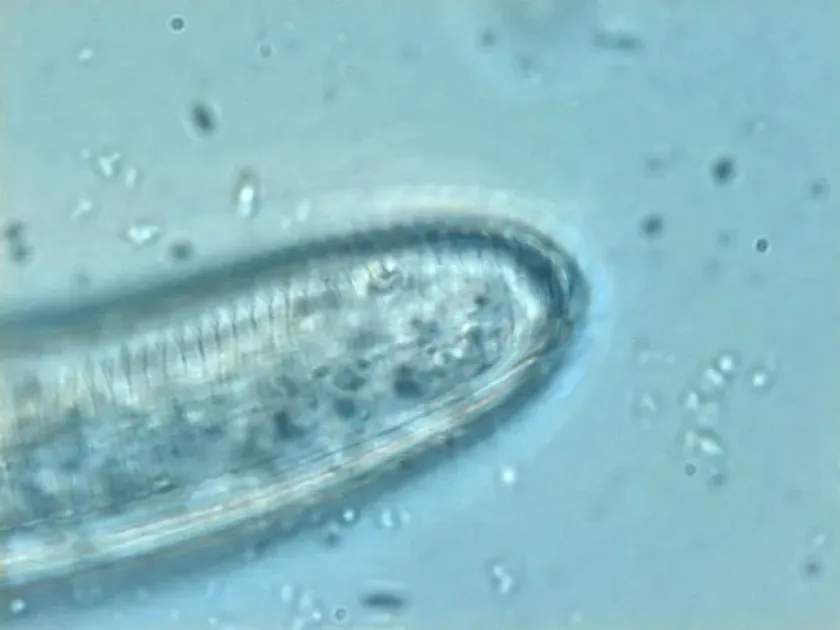
Description
How to identify
Rotylenchus is a genus of plant-parasitic nematodes belonging to the family Hoplolaimidae. These microscopic organisms are known as spiral nematodes and represent significant threats to various agricultural crops.
The morphology of these nematodes includes a worm-like body, generally ranging from 1 to 1.5 millimeters in length. They are characterized by a strong, well-developed stylet used for feeding on plant tissues.
They are primarily soil-borne and are known for their ability to survive in various soil types. Their life cycle is relatively simple, consisting of egg, larval, and adult stages, and is strongly influenced by soil temperature and moisture.
These nematodes reproduce by sexual reproduction or parthenogenesis, which can lead to rapid population growth under suitable environmental conditions.
Due to their mobility and environmental resilience, they can persist in the soil for long periods even in the absence of a host crop, making them challenging to eradicate.
What it damages
Rotylenchus species are polyphagous, meaning they attack a wide variety of plants. This includes staple crops like cereals, potatoes, and various vegetable crops, as well as fruits and ornamental plants.
The nematodes feed primarily on the root system, specifically targeting root hairs and zones of elongation. This feeding process destroys plant cells and impairs nutrient and water uptake.
The physical damage caused by the stylet creates entry points for secondary pathogens, such as fungi and bacteria, leading to complex root rot diseases.
Symptoms often appear as patches of stunted growth, chlorosis, and reduced vigor. In severe cases, the entire root system may become necrotic and dysfunctional.
Crop yield loss is a primary economic concern, as the plants struggle to sustain development, especially during critical growth stages or periods of water scarcity.
Signs of infestation
Visible signs of infestation in the field are often nonspecific, which can lead to misdiagnosis. Plants may show signs of yellowing (chlorosis) and stunted shoot development.
Below ground, the roots appear weakened and may show brown lesions. Unlike some other nematodes, Rotylenchus does not typically produce large galls, making underground inspection necessary.
Plants often exhibit symptoms of chronic water stress despite adequate irrigation, reflecting the damaged state of the root system’s absorptive capacity.
In orchards and vineyards, slow decline is a common indicator. Trees or vines may appear to lose vigor over several years, culminating in significant productivity loss.
Confirmation of infestation relies on soil sampling and root analysis in a diagnostic laboratory to distinguish these nematodes from other similar pests.
Control measures
Effective management requires a combination of preventive and cultural practices. Crop rotation remains one of the most effective strategies to disrupt the nematode life cycle.
Sanitation is critical; this includes the use of certified, nematode-free planting material and the thorough cleaning of farm equipment to prevent spread between fields.
Soil amendments and the use of green manure crops, such as mustard or marigolds, can help reduce nematode populations through the release of bio-fumigant compounds into the soil.
Chemical control with nematicides can be employed when populations exceed economic injury levels, though this requires careful application to comply with environmental regulations.
- Implementation of long-term crop rotation plans.
- Use of biological control agents like predatory fungi.
- Monitoring of soil moisture levels to manage nematode mobility.
Taxonomy
- Latin name
- Rotylenchus
- Order
- Nematodes
- Family
- Hoplolaimidae
- EPPO code
- ROTLSP
Discussion
No discussions yet — be the first.