
Reniform nematode
Rotylenchulus
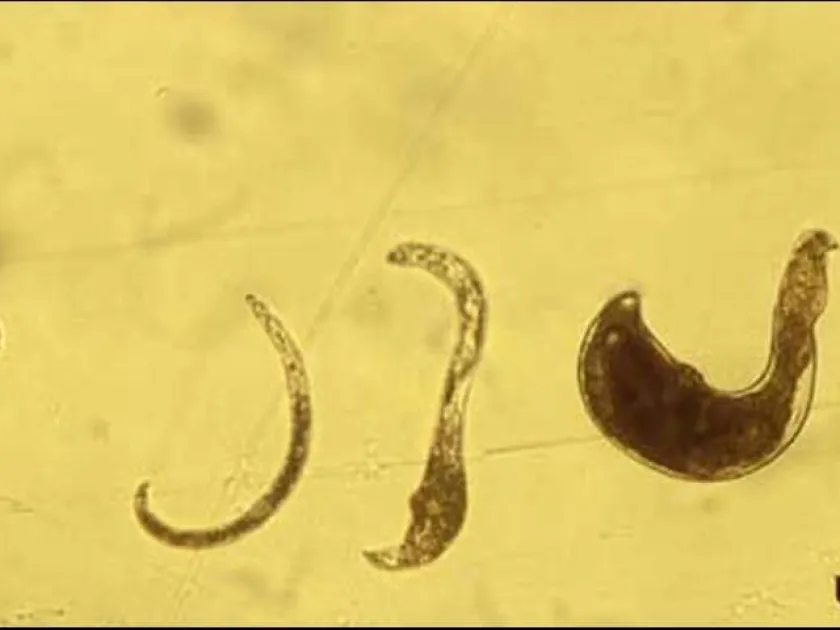
Description
How to identify
The reniform nematode, known scientifically as Rotylenchulus reniformis, belongs to the family Hoplolaimidae. It is a highly significant plant-parasitic nematode found in tropical and subtropical regions worldwide.
The species name is derived from the appearance of the mature female, which swells into a kidney-like shape. This unique transformation occurs after the nematode invades the root system of its host plant.
These nematodes are semi-endoparasites. Unlike other species that move entirely inside the roots, adult females of this genus remain partially embedded in the root tissue while their posterior end protrudes into the soil.
The life cycle of the reniform nematode is relatively short, allowing for rapid population build-up in favorable soil conditions. The invasive stage is the young, vermiform female that actively searches for susceptible host roots.
They possess a specialized feeding apparatus called a stylet, which is essential for penetrating the epidermal cells and establishing feeding sites within the plant's vascular tissue.
What it damages
This pest has a wide host range, causing severe damage to economically important crops such as cotton, soybeans, sweet potatoes, and a variety of vegetable species like tomatoes and peppers.
Feeding by the nematodes disrupts the root's ability to take up water and essential nutrients. This systemic impairment leads to stunted growth, yellowing, and decreased biomass in the canopy of the plant.
In highly infested fields, the damage can be extensive, often resulting in significant yield losses. The impact is most severe in soils that are naturally warm and well-drained, which are ideal for nematode proliferation.
Reniform nematodes also predispose plants to other pathogens, such as fungi or bacteria that cause root rot. These secondary invaders exploit the wounds created by the nematodes, further accelerating plant decline.
The cumulative effect of nematode feeding often results in uneven crop maturity across the field, which complicates harvesting operations and reduces the overall market quality of the produce.
Signs of infestation
Symptoms of reniform nematode infestation are often non-specific. Growers may observe patchy distribution of stunted plants, which is frequently misidentified as nutrient deficiencies or localized drought stress.
Root systems might appear slightly necrotic or stunted compared to those of healthy, uninfected plants. Sometimes, the infection can lead to a slight thickening or discoloration of the root bark.
Visible wilting during the peak of the day is a common sign, as the damaged vascular system cannot transport enough water to meet the plant's transpiration requirements.
Leaves may show signs of chlorosis or premature senescence, especially during the later stages of plant development. These symptoms reflect the overall stress level of the plant due to restricted nutrient supply.
Because these nematodes are microscopic, the only definitive way to confirm an infestation is through a professional laboratory diagnosis involving the extraction of nematodes from soil and root samples.
Control measures
Integrated Pest Management (IPM) is essential for controlling this pest. A key strategy is the implementation of long-term crop rotation with non-host plants to reduce the soil population density.
The use of resistant or tolerant crop varieties is one of the most effective tools for growers. Breeding programs focus on creating hybrids that can withstand the presence of the nematode without major yield loss.
Chemical control involving the application of soil nematicides is used in high-value cropping systems. Precision application and adherence to safety protocols are necessary to ensure the effectiveness of the treatment.
Sanitation practices, including cleaning farm machinery thoroughly before moving from infested to clean fields, are crucial to prevent the spread of the pathogen, as the nematode can persist in soil clods.
Biological control agents, such as beneficial fungi or bacteria applied to the rhizosphere, offer a sustainable alternative. These organisms can help suppress nematode populations through natural competition and antagonism.
Taxonomy
- Latin name
- Rotylenchulus
- Order
- Nematodes
- Family
- Hoplolaimidae
- EPPO code
- ROTYSP
Discussion
No discussions yet — be the first.