
Resapamea
Resapamea
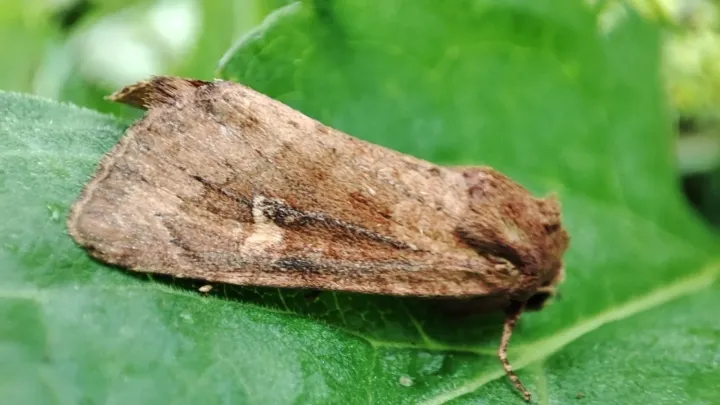
Description
How to identify
Resapamea is a genus of moths belonging to the Noctuidae family (owlet moths). These insects typically have a wingspan ranging from 30 to 40 mm, with coloration often blending into brown or greyish earth tones for camouflage.
The larval stage, known as the caterpillar, is the primary source of damage. These larvae are typically secretive, often hiding inside the plant stems or within the soil layers near the base of the plant.
Taxonomically, the genus includes several species that are visually similar. Accurate identification to the species level often requires the microscopic examination of the genitalia of adult specimens.
The life cycle follows a complete metamorphosis: egg, larva, pupa, and adult. The duration of these stages varies significantly depending on local weather conditions, humidity, and food availability.
Adult moths are primarily nocturnal, showing peak activity during the night. They are attracted to light, which makes light traps an effective tool for monitoring their population density in fields.
What it damages
Resapamea larvae cause significant damage to various cereal crops and grasses. The main harm occurs when caterpillars feed on the internal tissues of the stems, disrupting nutrient flow.
By boring into the base of the stem or the root collar, the larvae effectively destroy the plant's vascular system. This leads to the wilting and eventual death of the affected parts of the crop.
Plants attacked by Resapamea are frequently weakened, making them susceptible to secondary infections by soil-borne pathogens, such as fungi or bacteria, which can exacerbate crop loss.
In cases of high infestation, the pest can cause significant thinning of the crop stand, leading to reduced yields and economic losses for farmers, particularly in high-density plantings.
The internal nature of the damage makes the pest particularly difficult to control, as the larvae are shielded from external environmental factors and many standard contact pesticides.
When it appears
The flight period for adult moths typically spans the summer months, from June through August. This is the period when mating occurs and eggs are laid on host plants or adjacent weeds.
Caterpillars usually hatch in late summer or autumn. They progress through an early stage of development before entering a dormant phase to overwinter in the soil or protected debris.
As soil temperatures rise in the spring, the larvae resume their feeding activity. This spring growth phase is when the larvae are at their most destructive, actively consuming young crop shoots.
Pupation occurs in late spring or early summer within the soil. After the transformation, the new generation of adults emerges, completing the annual cycle of the pest.
Agronomic monitoring must be intensified during the early spring, as this is the most critical window to implement control measures before the larvae reach their final, most damaging instars.
Signs of infestation
The primary visual sign of a Resapamea infestation is the presence of yellowing or wilting plants within an otherwise healthy-looking field. These plants often show stunted growth compared to their neighbors.
If an affected plant is inspected closely, small entry holes can be found near the base of the stem. Pulling the central leaf often causes it to detach easily, indicating damage at the growing point.
Evidence of larval presence can be identified by the accumulation of frass (excrement) around the base of the stem or near the entry point on the plant surface.
The presence of adult moths in fields can be confirmed using pheromone traps or light traps, which are essential for predicting future larval population spikes.
Infestation patches often start near field edges, specifically areas that border wild grasslands or poorly managed buffer zones that act as breeding reservoirs for the moth.
Control measures
Crop rotation is the most effective cultural control measure. By avoiding the cultivation of susceptible crops in the same area for consecutive years, farmers can break the life cycle of the pest.
Deep autumn plowing is a recommended mechanical practice. This procedure disrupts the soil where larvae and pupae overwinter, exposing them to predators and harsh weather conditions.
Sanitation practices, such as the removal of perennial grasses and weeds, are crucial. These weeds often provide alternative food sources and refuges for Resapamea before they move into crops.
Chemical control is feasible using systemic insecticides applied before the larvae burrow deep into the stems. Timing the application based on monitoring data is essential for success.
Biological controls, including the use of entomopathogenic nematodes or specialized bacteria, offer a sustainable alternative that targets the larvae while minimizing harm to beneficial field insects.
Taxonomy
- Latin name
- Resapamea
- Order
- Lepidoptera (butterflies)
- Family
- Noctuidae
- EPPO code
- RESASP
Discussion
No discussions yet — be the first.