
Dunnock
Prunella modularis
Description
How to identify
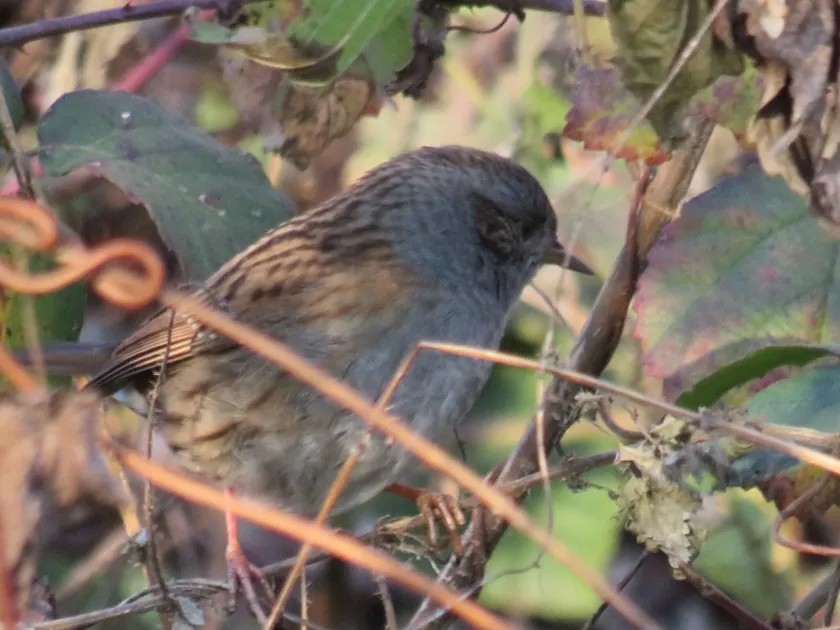
The dunnock (Prunella modularis) is a small passerine bird belonging to the Prunellidae family. It is often mistaken for a common sparrow due to its modest brown and grey plumage, which serves as effective camouflage within garden shrubbery and hedge bottoms.
Morphologically, the dunnock is characterized by a slender, pointed bill, which is specifically adapted for probing deep into bark crevices and leaf litter to find small invertebrates. They are generally elusive birds, often seen scurrying on the ground with a distinctive shuffling movement.
It is crucial for agronomists to distinguish the dunnock from agricultural pests. It is purely insectivorous and does not pose any threat to crops, vegetables, or ornamental plants. It is a vital component of a healthy garden ecosystem.
Dunnocks typically nest in dense hedges, evergreen shrubs, or thick ivy, utilizing materials like moss, small twigs, and spider silk. This nesting behavior highlights their reliance on diverse habitats that provide shelter from predators.
Unlike some bird species that can become problematic for fruit growers, the dunnock remains a secretive and non-invasive species, maintaining a low profile that ensures it does not interfere with routine agricultural operations.
What it damages
The dunnock causes no damage to crops or agricultural yield. It does not consume fruit, seeds, or vegetation, making it an entirely neutral or beneficial presence in any farming or gardening environment.
The agricultural significance of the dunnock lies in its role as a natural predator of insects. By feeding on various beetles, larvae, spiders, and caterpillars, it naturally suppresses populations of potential plant pests throughout the growing season.
Dunnocks do not engage in activities that would harm plant tissues, such as pecking buds or damaging stems. They are strictly focused on foraging for soil-dwelling or leaf-dwelling insects, making them excellent allies for organic farmers.
The presence of dunnocks is a bio-indicator of a balanced ecosystem. A garden or farm that supports a population of these birds is likely to have a higher level of natural pest control, reducing the need for chemical interventions.
In summary, the dunnock has no negative impact on agricultural productivity. Its role is solely limited to the regulation of insect populations, which supports the overall health and vigor of the cultivated environment.
Control measures
Since the dunnock is not a pest, no control measures are required. Farmers and gardeners should focus on habitat conservation to encourage the presence of this helpful insectivore, which contributes to sustainable pest management.
To support dunnock populations, it is recommended to maintain native hedgerows and dense shrubbery. These structures provide essential nesting sites and protection from predators, ensuring the birds remain on the property.
The use of broad-spectrum pesticides should be avoided or limited, as these chemicals eliminate the dunnock’s food source and can negatively impact their health. Sustainable practices help maintain these beneficial birds in the landscape.
There is no need for deterrents, such as netting or bird spikes, specifically for dunnocks, as they do not show interest in crops. If protection is required against other species, ensure that these measures are selective and do not trap the dunnock.
An integrated pest management (IPM) strategy should view the dunnock as a beneficial asset. Encouraging their residency in the garden is a low-cost, natural method to bolster plant health and ecological resilience against pests.
Taxonomy
- Latin name
- Prunella modularis
- Family
- Prunellidae
- EPPO code
- PRUNMO
Discussion
No discussions yet — be the first.