
Proxenus mindara
Proxenus mindara
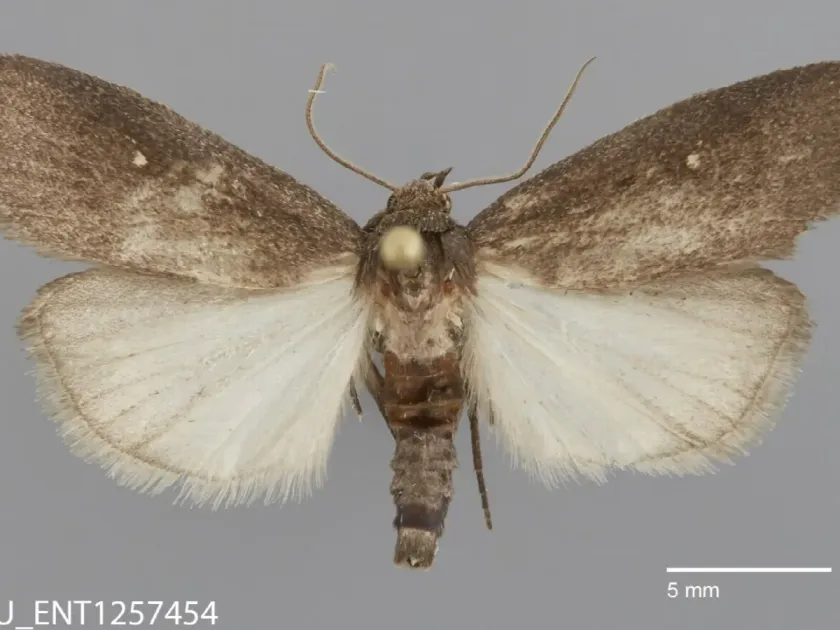
Description
How to identify
Proxenus mindara is a moth species belonging to the family Noctuidae, order Lepidoptera. As a noctuid, it is primarily nocturnal, making it difficult to detect during daylight hours without specialized monitoring equipment such as light traps.
The adult moth has a typical structure with forewings featuring patterns that provide excellent camouflage against plant debris and soil. Their coloration is usually muted, ranging from light brown to greyish tones to blend into their environment.
The larval stage consists of a caterpillar that undergoes several instars. These larvae possess chewing mouthparts, enabling them to consume significant amounts of plant tissue, which is the primary driver of their damage to crops.
The life cycle is complete metamorphosis: egg, larva, pupa, and adult. Pupation typically occurs in the soil or protected areas near host plants, which provides overwintering protection against cold temperatures.
Reproductive success is highly dependent on environmental factors such as ambient temperature and humidity, which determine the timing of egg-laying and the speed of larval development during the growing season.
What it damages
This pest affects a variety of agricultural crops by feeding on leaves, stems, and sometimes reproductive structures. The larvae are the main destructive stage, causing defoliation that weakens the host plant.
Host plants often include vegetables, industrial crops, and various field crops. When population density is high, the collective feeding activity can lead to substantial biomass loss and reduced yield quality.
Damage to the leaf surface impairs the plant's photosynthetic capacity, which is critical during the active growth phases. This impairment directly influences the plant's vigor and its ability to produce high-quality yields.
The destruction of flower buds and developing fruit is particularly detrimental, as it directly impacts the reproductive success of the plant, often leading to stunted growth or total loss of the yield in infested areas.
Economic damage is cumulative, as multiple generations per year can occur under favorable conditions, requiring constant vigilance throughout the entire cropping season to prevent outbreaks.
Signs of infestation
The most common sign of infestation is irregular holes in the leaves, often with the margins eaten away. This pattern is characteristic of larval feeding activity, which usually happens under the cover of darkness.
Presence of frass (insect excrement) on leaves or on the soil surface near the plant base is a strong indicator of an active population. Searching for these droppings helps in locating the hidden larvae.
Damage to buds or developing fruit appears as localized feeding scars or scooped-out tissue. This often leads to premature fruit drop or increased susceptibility to secondary infections by fungal pathogens.
Adult moths can be observed around light sources at night or found resting in sheltered, shady areas during the day. Monitoring for adult activity is a key strategy for predicting potential larval outbreaks.
Visible decline in plant health, including yellowing or wilting without obvious signs of root disease, can be a consequence of severe defoliation or stem damage caused by the larvae.
Control measures
Integrated pest management (IPM) is essential for controlling Proxenus mindara. Monitoring with pheromone or light traps allows for precise timing of interventions before populations reach damaging levels.
Cultural practices, such as deep fall tillage, can effectively expose overwintering pupae to the elements and predators, significantly reducing the pest population for the following spring season.
Biological control agents, including entomopathogenic bacteria or natural predators like parasitic wasps and beetles, can help keep population numbers in check without the use of broad-spectrum chemicals.
Chemical control should be applied strictly according to the economic threshold. Choosing selective insecticides is recommended to minimize the impact on non-target beneficial insects within the field.
- Crop rotation to break the pest's reproductive cycle.
- Weed control, as many weeds act as alternative hosts.
- Encouraging populations of natural predators and parasitoids.
Taxonomy
- Latin name
- Proxenus mindara
- Order
- Lepidoptera (butterflies)
- Family
- Noctuidae
- EPPO code
- PROXMI
Discussion
No discussions yet — be the first.