
Proxenus
Proxenus
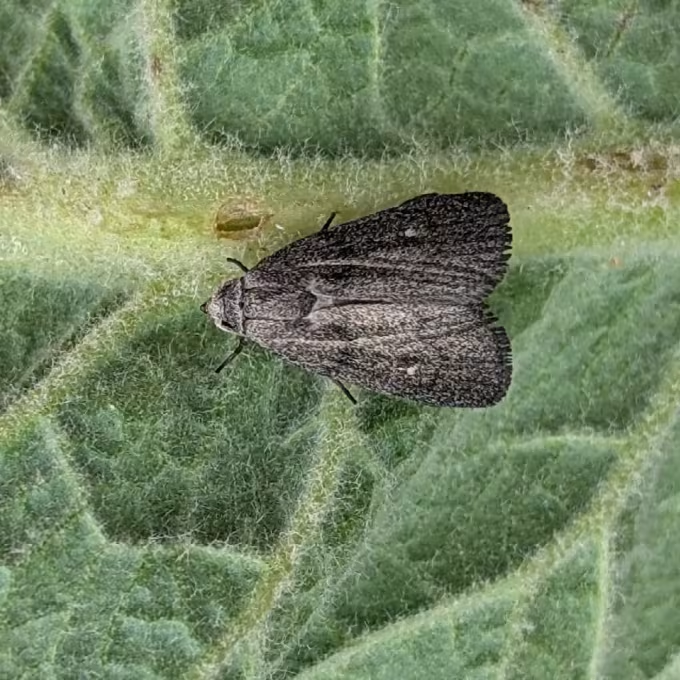
Description
How to identify
Proxenus is a genus of moths belonging to the Noctuidae family. These insects are nocturnal, and their larvae, which are the main stage of concern for farmers, are known for their secretive behavior and camouflage abilities.
The life cycle follows a complete metamorphosis: egg, larva (caterpillar), pupa, and adult. Identification of the species often requires professional entomological assessment or the use of light traps to capture the nocturnal adults.
The pupal stage typically overwinters in the upper soil layers or within plant debris. As temperatures rise in spring, the adults emerge to begin the breeding cycle, marking the start of the infestation period.
These moths are part of a diverse group of cutworms and armyworms that are notoriously adaptable to various climates, making them a recurring challenge in many agricultural regions.
Understanding their taxonomy is crucial, as their classification as Noctuids suggests they share common behavioral traits with other highly destructive agricultural moths.
What it damages
Proxenus larvae infest a variety of agricultural crops, ranging from cereals to various types of vegetables. The damage is primarily caused by caterpillars consuming leaves and young plant tissues.
Infestation often leads to stunted plant growth and reduced vigor. In severe cases, high caterpillar density can result in significant defoliation, which directly impacts the crop's photosynthetic capacity.
Beyond direct feeding, the mechanical damage caused by larvae creates entry points for various pathogens, potentially leading to secondary infections that further weaken the plants.
Crops are most vulnerable in their early growth stages when even moderate defoliation can cause lasting damage, leading to lower yields and inferior produce quality.
The damage often starts in patches, but if left unmonitored, the larvae can spread quickly across a field, particularly if environmental conditions favor their rapid development.
Signs of infestation
The primary sign of a Proxenus infestation is irregular feeding marks on the edges of leaves, often referred to as leaf-notching, which is a telltale sign of nocturnal caterpillar activity.
Small, dark granular pellets found on the soil surface beneath the crop canopy are distinct signs of caterpillar presence and active feeding in the immediate vicinity.
If you suspect an infestation, nighttime inspections with a flashlight are highly effective, as the larvae are active after dusk and can be spotted climbing the plants to feed.
General plant malaise and uneven growth patterns in certain areas of the field often indicate that root or leaf damage has occurred, even if the larvae themselves are not immediately visible.
Monitoring the adult population using light or pheromone traps provides a clear indicator of when to expect egg-laying and the subsequent hatching of the next generation of larvae.
Control measures
Cultural control is a cornerstone of management; deep autumn plowing effectively disrupts the overwintering pupae in the soil, significantly reducing the initial pest population for the following spring.
Chemical intervention should be timed based on regular field monitoring, targeting early-instar larvae with appropriate insecticides to ensure the highest level of efficacy.
Biological control, such as the introduction of natural predators or the use of specific microbial pathogens, can help maintain pest populations below the economic injury level while preserving beneficial insects.
Precise application of pesticides, facilitated by pheromone-based monitoring, minimizes environmental impact and ensures that control efforts are both cost-effective and sustainable.
- Regular weeding to remove alternative food sources for the larvae.
- Implementation of crop rotation to break the pest's life cycle.
- Consistent monitoring of fields to detect early signs of infestation.
Taxonomy
- Latin name
- Proxenus
- Order
- Lepidoptera (butterflies)
- Family
- Noctuidae
- EPPO code
- PROXSP
Discussion
No discussions yet — be the first.