
Amazon ant
Polyergus
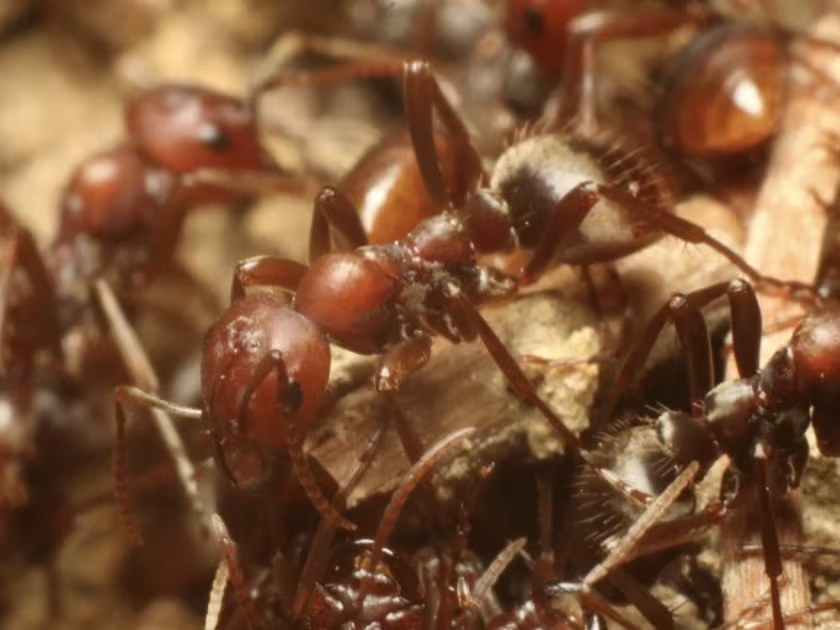
Description
How to identify
The Amazon ant, belonging to the genus Polyergus and the family Formicidae, is a specialized species renowned for its obligate social parasitism.
These ants are morphologically distinct due to their sickle-shaped, toothless mandibles, which have evolved exclusively for fighting rather than performing routine colony maintenance tasks.
Physically, they are medium-sized ants, typically displaying reddish or brownish hues, with a streamlined body shape that facilitates swift movement during their characteristic raids.
Their life cycle is entirely dependent on host species, usually belonging to the Formica genus, which perform all the labor, including foraging, nursing, and nest construction.
Due to their inability to perform basic survival tasks like foraging or cleaning, they are rarely seen away from their slave-raiding activities, making identification rely heavily on behavioral observation.
What it damages
While the Amazon ants themselves do not consume plant tissues, their presence indirectly devastates agricultural productivity by protecting honeydew-secreting pests.
The slave ants within an Amazon ant colony continue to tend to aphids, scale insects, and mealybugs on garden plants, effectively shielding them from natural predators.
This protection leads to significant outbreaks of these sucking pests, resulting in reduced plant vigor, deformed leaves, stunted growth, and potential transmission of viral plant diseases.
Furthermore, their predatory behavior against local ant colonies disrupts the biological balance of the soil, potentially removing beneficial insects that serve as natural controllers of garden pests.
Consequently, an infestation of Polyergus acts as a catalyst for widespread pest colonization throughout the garden, necessitating intervention to protect plant health.
When it appears
Amazon ant activity is seasonal, peaking during the warmer months when the temperature is optimal for their high-energy raids on host colonies.
The raiding season typically begins in late spring and continues throughout the summer, aligning with the brood development cycles of both the Amazon ants and their host species.
During the peak of summer, nuptial flights occur, which are crucial for the establishment of new colonies as queens seek to infiltrate existing host nests.
Activity is most pronounced during the morning and late afternoon hours, avoiding the midday heat, as the ants venture out in disciplined columns to perform their raids.
As autumn approaches and temperatures drop, their activities diminish significantly, and the colonies retreat into deeper soil chambers to overwinter safely until the following spring.
Signs of infestation
The most telltale sign of an Amazon ant presence is the discovery of organized, unidirectional columns of ants moving through the garden, often carrying larvae or pupae of other ant species.
A sudden, unexplained disappearance or decline of common black or red ant colonies in the vicinity often points to a successful takeover by a nearby Amazon ant colony.
The persistent presence of aphid or mealybug colonies on plants that are being zealously guarded by very aggressive, high-speed ants is a strong indicator of their influence.
Visual observations of small-scale battles or intense territorial disputes between groups of ants in the soil can suggest that an Amazon ant raid is currently in progress.
Plants displaying symptoms of extreme honeydew accumulation or soot mold development indicate a high level of pest tending, often supported by the parasitic ant colony nearby.
Control measures
The most effective management strategy involves the use of specialized bait stations containing slow-acting insecticides that can be transferred back to the colony to eliminate the queen.
Implementing mechanical barriers, such as sticky tree bands, creates an effective obstacle that prevents worker ants from accessing the host plants, thereby starving the honeydew-secreting pests they protect.
Targeted application of insecticides along confirmed raiding paths can disrupt their movement patterns, making it difficult for them to successfully locate and raid host colonies.
Promoting a healthy garden ecosystem by encouraging natural predators of aphids, such as ladybugs and lacewings, helps reduce the food source that the ant colony depends upon.
Careful monitoring and prompt treatment of any identified aphid or scale outbreaks are essential to reduce the overall appeal of the garden to these parasitic ants.
Taxonomy
- Latin name
- Polyergus
- Order
- Hymenoptera
- Family
- Formicidae
- EPPO code
- POLRSP
Discussion
No discussions yet — be the first.