
Polydesma
Polydesma
Description
How to identify
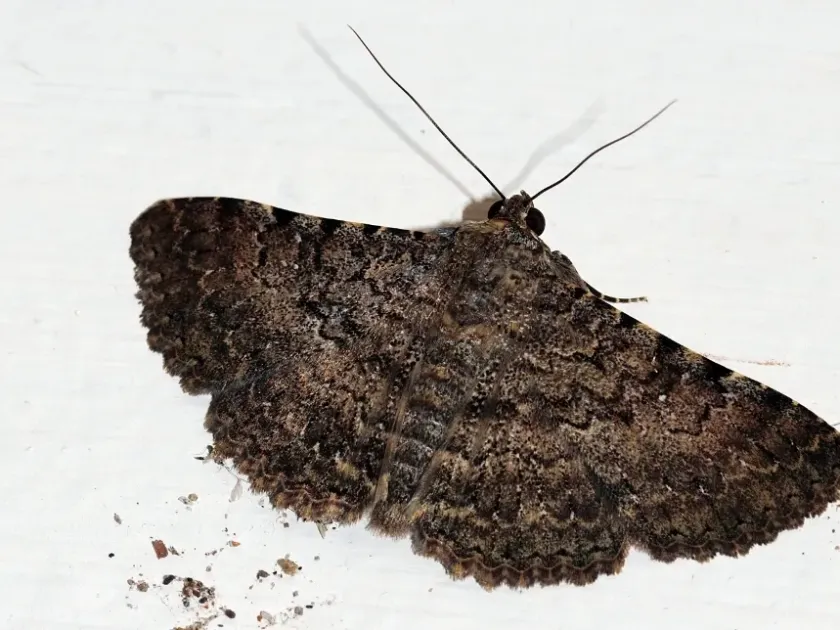
Polydesma (Polydesma umbricola) is a moth belonging to the family Erebidae. It is primarily nocturnal, and its adult form is well-adapted for camouflage on tree bark.
The adult moth features forewings with a mottled brown and grey pattern that mimics the appearance of tree bark, providing excellent concealment during daylight hours.
The larvae, or caterpillars, possess specific morphological traits common to the family, with protective coloration that allows them to remain hidden among foliage or branches.
The life cycle consists of the egg, larva, pupa, and adult stages. Because the adults are nocturnal, they are rarely seen unless targeted by light traps used in pest monitoring programs.
Proper identification is crucial, as Polydesma may be confused with other noctuid or erebid moths, which can lead to ineffective pest management decisions if misidentified.
What it damages
Polydesma primarily attacks trees and shrubs, including fruit-bearing and ornamental species. Its damage is caused by the feeding activity of the larvae on plant tissues.
The larvae feed on leaves, leading to notched edges or skeletonized foliage. In severe cases, high populations can cause significant defoliation, stressing the host plant.
Feeding can also extend to young buds and developing shoots, which impacts the overall growth vigor of the tree and can lead to yield losses in agricultural settings.
Damaged plant tissues create entry points for secondary pathogens, including fungi and bacteria, which may lead to infections and further degradation of the plant's health.
In ornamental nurseries, the damage caused by Polydesma significantly reduces the aesthetic value and marketability of the plants, requiring strict control measures.
When it appears
The adult flight period for Polydesma typically occurs during the warmer months, with activity patterns heavily influenced by regional climate and temperature conditions.
Spring activity starts when temperatures become consistently warm, allowing the overwintered pupae or adults to emerge and begin the reproductive cycle for the season.
The larvae are most active at night when they forage for food. During the day, they remain stationary in crevices, under bark, or within dense foliage to avoid predation.
Developmental rates are temperature-dependent; warmer seasons often result in faster life cycles, potentially leading to multiple generations and increased pest pressure.
As temperatures drop in autumn, larvae prepare for overwintering, usually pupating in the soil or protected niches where they remain until the following spring.
Signs of infestation
The earliest signs of a Polydesma infestation are irregular notches along the leaf margins, which are characteristic of larval feeding activity on the foliage.
Droppings (frass) observed on the lower leaves or on the ground beneath the tree canopy are strong indicators that a larval colony is actively feeding in the branches above.
Damage to dormant or developing buds early in the season is another indicator, as larvae may target these nutrient-rich tissues before the foliage is fully developed.
Physical inspection of the tree bark during the day might reveal resting adults or pupal casings, especially if the population density is high enough to be noticeable.
- Notched or skeletonized leaf edges.
- Frass accumulation on foliage.
- Delayed growth of buds and shoots.
Control measures
Effective management of Polydesma involves an Integrated Pest Management (IPM) approach that combines mechanical, biological, and chemical strategies.
Mechanical control includes cleaning tree trunks of loose bark to remove hiding spots for pupae and tilling the soil around the base of trees to disrupt overwintering sites.
Biological control methods focus on fostering natural predators, such as insectivorous birds, parasitic wasps, and predatory beetles, which can keep larval populations in check.
Chemical control should be implemented only when scouting confirms that pest thresholds have been reached, using selective insecticides that minimize harm to beneficial insects.
Regular monitoring using light traps is recommended to track adult activity and time management interventions accurately, ensuring maximum efficacy with minimal chemical usage.
Taxonomy
- Latin name
- Polydesma
- Order
- Lepidoptera (butterflies)
- Family
- Noctuidae
- EPPO code
- PLDSSP
Discussion
No discussions yet — be the first.