
Polychrysia
Polychrysia
Description
How to identify
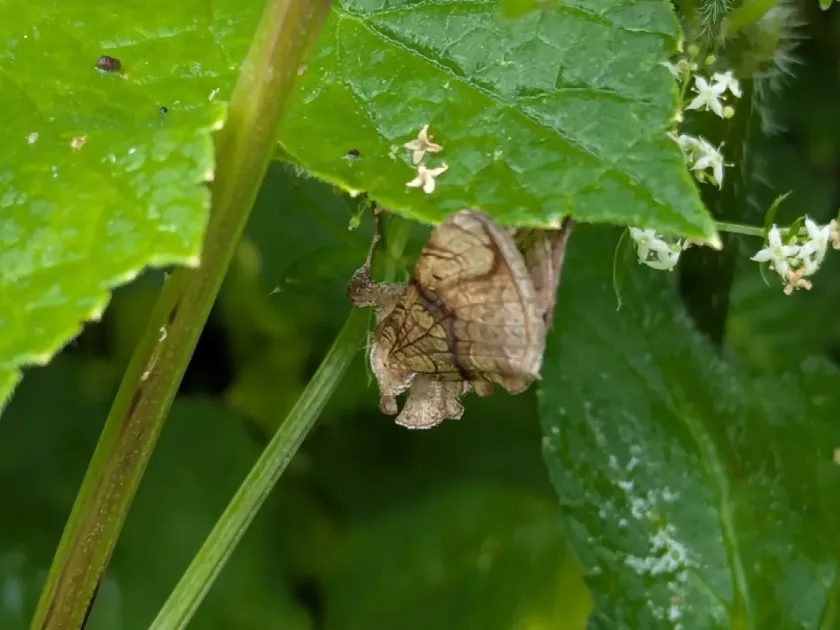
Polychrysia is a genus of moths belonging to the family Noctuidae. These insects are recognized as occasional agricultural pests, with the larval stage being the most destructive to cultivated crops.
Adult moths are typically nocturnal and possess cryptic coloration that allows them to blend in with foliage, bark, or leaf litter during the daylight hours, making them difficult to detect.
The life cycle undergoes complete metamorphosis: egg, larva, pupa, and adult. The larvae exhibit a wide range of colors that mimic their host plants, providing excellent camouflage against birds and other predators.
Overwintering usually occurs in the larval stage, tucked away in soil debris or surface mulch. As temperatures rise in spring, they pupate and emerge as adults to begin the reproductive cycle.
The number of generations per year is largely dictated by environmental conditions, with warmer regions often supporting multiple overlapping generations, increasing the risk of sustained damage throughout the season.
What it damages
The larvae are polyphagous, feeding on a variety of hosts. While they have specific preferences, they are frequently found on hops, various leafy vegetables, and several weed species that serve as alternate hosts.
Feeding damage typically begins as small perforations or windowing on the leaf blade. As the larvae grow larger, they consume entire sections of the leaf, leaving only the primary veins behind.
This extensive defoliation disrupts the plant's ability to photosynthesize, leading to stunted growth and poor physiological health. The reduction in leaf area directly correlates with decreased yield quantity and quality.
In severe infestations, the larvae may also target flowers or emerging buds, which can lead to significant crop failure, especially in plants where the reproductive parts are the primary marketable product.
The presence of large populations can cause plants to become completely stripped, forcing the larvae to migrate in search of fresh food, thereby spreading the infestation to neighboring healthy crops.
Signs of infestation
Frass (larval excrement) found on the foliage or at the base of the plant is one of the most reliable indicators of Polychrysia presence, often appearing before the larvae are easily spotted.
The visual impact of the damage is distinctive: irregular holes and notched leaf edges are common symptoms of early-stage feeding, while skeletonized leaves indicate the presence of mature caterpillars.
A careful inspection of the undersides of leaves, especially at dawn or dusk, is recommended to locate the larvae, which are often found clinging to the leaf structure or resting along the midribs.
Wilting of foliage or signs of localized decay despite proper irrigation might suggest larval feeding on stems or crown areas, which can compromise the vascular integrity of the plant.
Nocturnal observation using light traps or direct scouting can reveal the presence of adult moths, providing a warning for imminent egg-laying and a need for immediate monitoring of the crop.
Control measures
Cultural control is a primary defense strategy. This includes effective weed management to remove alternate hosts and practicing deep plowing after harvest to disrupt the soil-dwelling stages of the larvae.
Biological control methods, such as the application of Bacillus thuringiensis, are highly effective against younger larvae and are considered environmentally friendly options in integrated pest management programs.
Chemical intervention should be reserved for scenarios where population density exceeds the economic threshold. Only registered and approved insecticides should be applied to specific crops.
Rotating chemical classes is essential to minimize the development of insecticide resistance, ensuring that treatment programs remain effective across multiple growing seasons.
Continuous monitoring using pheromone traps allows for precise timing of interventions, ensuring that control measures are implemented during the most vulnerable larval stages of the pest's development.
Taxonomy
- Latin name
- Polychrysia
- Order
- Lepidoptera (butterflies)
- Family
- Noctuidae
- EPPO code
- POLKSP
Discussion
No discussions yet — be the first.