
Polia
Polia
Description
How to identify
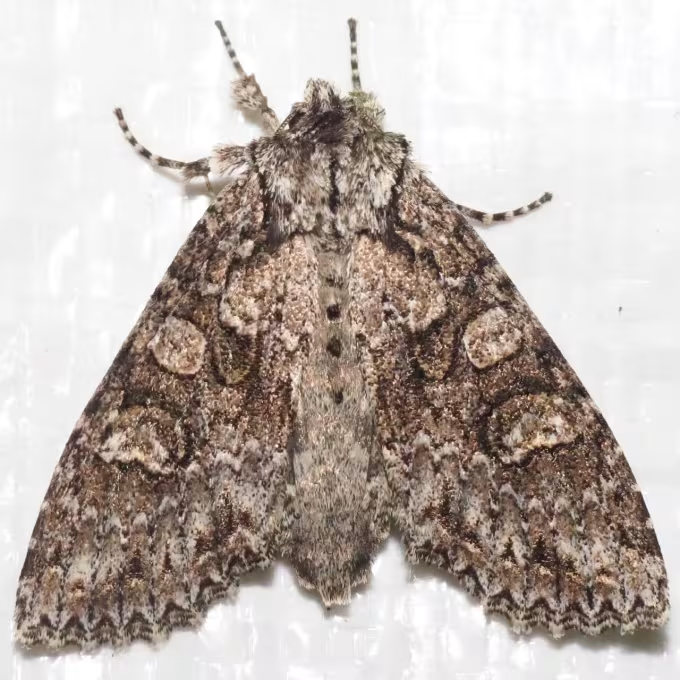
The genus Polia belongs to the Noctuidae family within the order Lepidoptera. These are medium-sized nocturnal moths, often exhibiting cryptic coloration patterns on their forewings, which typically include shades of gray, brown, and black to blend into their environment.
The larvae, known as caterpillars, possess strong mandibles for chewing vegetation. Their body coloration is usually camouflaged, ranging from shades of green to brown, allowing them to remain inconspicuous while feeding on host plants.
Adult moths are typically identified by using light traps at night. Since they are nocturnal, they are rarely seen during the daylight hours unless disturbed from their hiding spots among foliage or leaf litter.
Pupation generally occurs in the soil or under debris, where the insect constructs a durable cocoon. This protective phase is vital for surviving environmental stresses and seasonal fluctuations.
The life cycle involves four distinct stages: egg, larva, pupa, and adult. Depending on the specific species and local climate, they may have one or more generations throughout the growing season.
What it damages
Polia species are polyphagous, meaning they can cause significant damage to a wide range of agricultural crops including vegetables, cereals, and various ornamental plants.
Caterpillars cause the most damage by feeding on leaves, often leading to severe defoliation. In later developmental stages, they may attack stems and fruits, causing deep holes and structural damage.
Beyond direct tissue destruction, the feeding activity creates wounds that serve as entry points for various bacterial and fungal pathogens, potentially leading to systemic plant diseases and rot.
For crops like cabbage or lettuce, the infestation can result in the destruction of the central core or fruit, rendering the harvest commercially non-viable and unfit for storage.
In cases of high population density, these pests can decimate large patches of crops rapidly. Constant monitoring and early detection are essential to prevent widespread crop failure.
When it appears
The activity of adult moths usually begins in late spring, as temperatures rise consistently. This signals the start of the mating season and egg-laying on suitable host plants.
Larval development typically correlates with the vegetative stages of crops, providing an abundant food supply for the young caterpillars to thrive and grow rapidly.
Mid-summer is usually the peak period for larval activity, with older caterpillars consuming the most plant material. This is the stage when farmers observe the highest damage levels.
As autumn approaches, the larvae seek shelter in the soil to pupate. This overwintering phase allows the population to persist through the colder months, ready to emerge the following year.
Weather conditions, particularly unseasonably warm autumns, can lead to increased survival rates or even additional generations, posing a greater threat to the next season's planting.
Signs of infestation
The most prominent sign of a Polia infestation is the presence of irregular, ragged holes in the leaves. In extreme cases, only the main veins remain on the leaf blades.
The accumulation of frass (caterpillar excrement) on leaves or around the base of the plant is a clear indication of an active and feeding population in the vicinity.
- Irregular defoliation of leaves
- Visible frass deposits on the soil surface
- Damaged fruit and stems with entry holes
- Stunted growth or drooping plants
- Adult moths attracted to nocturnal lights
Plants affected by Polia often exhibit poor vigor and are susceptible to secondary stress factors. A reduction in photosynthetic capacity leads to significantly lower yields.
Routine scouting during the evening or early morning is highly effective, as these caterpillars often emerge from hiding at night to feed on the most nutritious parts of the plant.
Control measures
Integrated Pest Management (IPM) is the best approach to control Polia populations. Deep autumn tillage is highly effective in disrupting the pupal stage residing in the soil.
Implementing crop rotation helps to minimize the accumulation of pests in one specific field, making it harder for the population to complete its life cycle successfully.
Chemical control should be used judiciously, targeting the early larval stages when they are most vulnerable to contact insecticides. Always rotate chemical classes to prevent resistance development.
Biological control methods, such as the use of Bacillus thuringiensis (Bt) sprays or natural predators like parasitic wasps, offer effective and environmentally friendly solutions.
Maintaining clean field edges and eliminating weed reservoirs are critical steps in reducing the local host availability for the moths, thereby decreasing the risk of field colonization.
Taxonomy
- Latin name
- Polia
- Order
- Lepidoptera (butterflies)
- Family
- Noctuidae
- EPPO code
- POLISP
Discussion
No discussions yet — be the first.