
Kuznezovi bush-cricket
Poecilimon kuznezovi
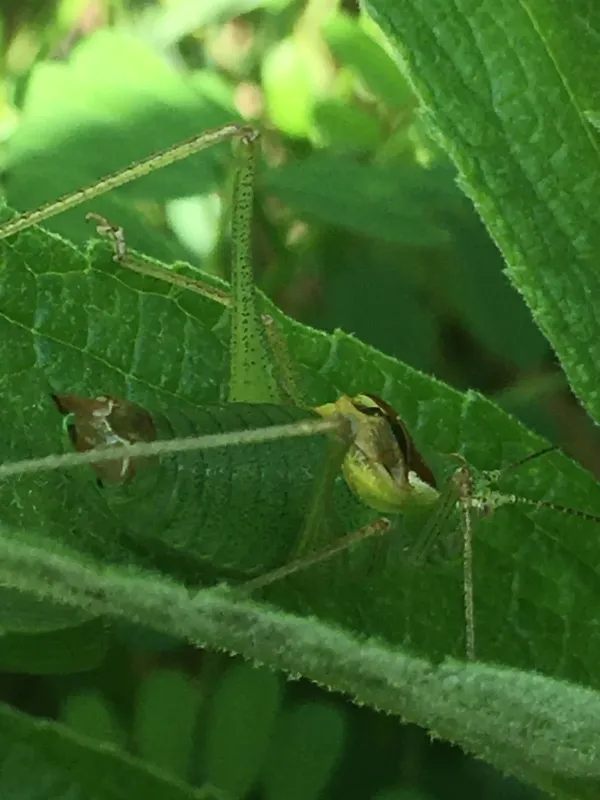
Description
How to identify
The Kuznezovi bush-cricket (Poecilimon kuznezovi) is a member of the Tettigoniidae family within the Orthoptera order. These insects are well-adapted to living within dense herbaceous vegetation and grassland ecosystems.
They typically display a green or brownish body coloration, which provides excellent camouflage against their natural host plants. The wings are significantly reduced, rendering these insects flightless, so they rely primarily on jumping for locomotion.
Female specimens possess a distinct, saw-like ovipositor used for inserting eggs into plant tissues or soil. This morphological feature is a primary diagnostic characteristic for taxonomic identification.
Adult crickets usually measure between 15 to 25 millimeters in length. They have a well-developed head with robust mandibles, allowing them to effectively consume a diverse diet of plant material.
The life cycle includes a nymph stage that looks like a miniature version of the adult but lacks fully developed wings and reproductive organs, growing incrementally through several molting cycles.
What it damages
This species is a polyphagous feeder, meaning it consumes a wide variety of both wild and cultivated plants. It causes significant agricultural damage, particularly in vegetable gardens and orchard settings.
The most common damage involves the chewing of leaf blades, which disrupts photosynthesis and stunts plant growth. Under high infestation pressure, entire patches of vegetation can become severely defoliated.
In addition to foliage, these crickets frequently feed on tender shoots and flower buds. This destruction can lead to poor flower development and reduced yields in various fruit and vegetable crops.
Feeding wounds created by the crickets also serve as entry points for secondary pathogens, such as fungal and bacterial infections, which can further jeopardize the health of the crop.
During outbreaks, this pest can become highly destructive to backyard gardens, where its cryptic behavior makes monitoring and early detection a challenging task for growers.
When it appears
The life cycle of the Kuznezovi bush-cricket is strictly seasonal. They overwinter in the egg stage, with eggs deposited in the soil or within plant tissues during late summer and autumn.
Nymphs emerge in the spring once soil and air temperatures reach a sufficient threshold. This emergence typically coincides with the seedling phase of many crops, ensuring the pests have immediate access to food.
Throughout the summer, nymphs develop through several instars. By mid-summer, they mature into adult insects capable of mating and continuing the population cycle.
Adult activity persists until the onset of steady autumn cold temperatures. Once the breeding cycle is complete and eggs are laid, the adult population gradually dies off.
Weather conditions significantly dictate the success of each generation. A warm, humid spring provides optimal conditions for rapid development and can lead to a surge in population numbers.
Signs of infestation
The first indicator of an infestation is the presence of irregular, notched holes on leaves, caused by the insects feeding on the leaf edges and interior tissue.
Evening acoustic monitoring is highly effective, as the distinctive chirping sounds produced by males are a clear sign of their presence before significant visual damage occurs.
Morning inspections of the garden are often successful, as the crickets can be spotted resting on the undersides of leaves or within plant axils, hiding from direct sunlight.
If you observe damaged buds or stunted growth, perform a thorough inspection of the surrounding area to identify potential adult crickets or developing nymphs.
- Irregular-shaped holes in foliage.
- Feeding damage on growth tips.
- Distinctive chirping during twilight hours.
- Presence of frass (excrement) on leaves.
- Visual confirmation of adults during crop scouting.
Control measures
Mechanical control involves the regular mowing of weeds around field margins, which eliminates the shelter and secondary food sources needed by the crickets during the early season.
Agricultural practices, such as deep autumn tillage, help destroy eggs overwintering in the soil, effectively reducing the population density for the following growing season.
Encouraging natural predators, such as insectivorous birds and beneficial insects, can help maintain population levels at a manageable threshold in small-scale gardening.
In cases of heavy infestation, specific insecticides approved for crop use may be applied. It is essential to choose products with low impact on pollinators to ensure environmental safety.
Application should ideally be performed during early morning or late evening when the crickets are most active on the foliage, improving the contact efficacy of the treatment.
Discussion
No discussions yet — be the first.