
Putnam's Looper
Plusia putnami
Description
How to identify
Putnam's Looper (Plusia putnami) is a moth species belonging to the Noctuidae family, commonly found in regions where cereal crops are cultivated.
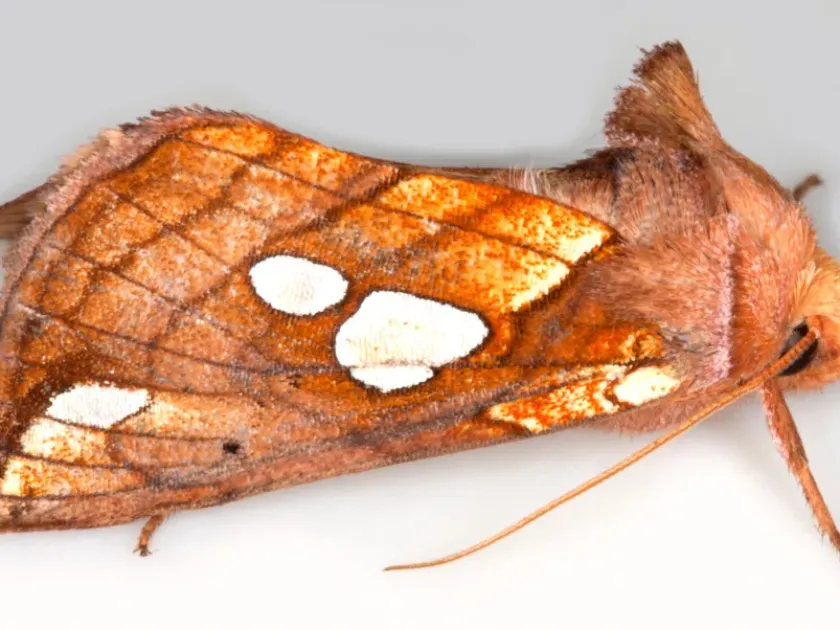
The adult moth features distinctive metallic markings on its forewings, which serve as a primary identification characteristic for entomologists and agronomists.
Larvae, or caterpillars, are known as "loopers" because they lack the full complement of prolegs found in other caterpillars, forcing them to move in a looping motion.
The caterpillar is typically light green, helping it blend seamlessly into the foliage of host plants, effectively concealing it from avian and other predators.
Its life cycle follows a complete metamorphosis, including egg, larval, pupal, and adult stages, with overwintering occurring primarily as a larva in the soil.
What it damages
Damage to crops is caused primarily by the larval stage, which feeds voraciously on the leaves and sometimes the soft parts of cereal plants.
The moth prefers grass-family hosts, including wheat, oats, barley, and various wild grasses that act as alternative food sources during the off-season.
Feeding damage results in reduced leaf surface area, which hinders photosynthesis and can lead to lower grain weight and reduced overall yield potential.
In severe infestations, caterpillars may skeletonize the leaves, consuming all but the tough veins, which can cause significant stress or death to younger plants.
Economic impact is highest when infestation coincides with the plant's vegetative growth stages, making early detection vital for effective crop management.
When it appears
The adult moths are typically active during the summer months, during which they mate and deposit eggs on the undersides of host plant leaves.
Larval activity reaches its peak during the mid-to-late vegetative period, coinciding with the rapid growth of cereal crops, which provide ample sustenance.
Temperature and moisture levels play critical roles in determining the development speed of each generation, with warmer seasons potentially accelerating growth.
As fall temperatures decline, the final-instar larvae seek refuge in the soil, entering a period of diapause to survive the winter months until spring.
Regular scouting using light traps or pheromone traps is recommended to monitor the flight patterns of adult moths and predict larval hatching times.
Signs of infestation
Visible signs of infestation include jagged, uneven edges on the leaves of cereal crops, created by the caterpillars as they consume the leaf tissue.
The presence of frass (caterpillar droppings) on leaves or at the base of the plant is a strong indicator of an active feeding population in the vicinity.
Searching the base of the plants or the lower leaves during the cooler evening hours often reveals the larvae, as they seek to hide during the day.
A general yellowing or stunted appearance of the crop can indicate that the plants are under significant stress due to heavy defoliation.
- Jagged leaf edges.
- Presence of larval frass on foliage.
- Looping movement of larvae.
Control measures
Cultural control is a primary defense, including deep plowing after harvest to bury and eliminate the larvae and pupae wintering in the soil.
Sanitation practices, such as removing weeds around the field edges, can destroy alternative food sources and reduce the overall pest population density.
Chemical control via insecticides should be applied only when scouting indicates that the economic injury level has been surpassed.
Biological control agents, including various parasitic wasps and fungal pathogens, help naturally regulate moth populations when conditions are favorable.
Crop rotation remains an essential strategy to disrupt the life cycle of the moth, preventing the buildup of larvae in fields that are repeatedly planted with susceptible hosts.
Taxonomy
- Latin name
- Plusia putnami
- Order
- Lepidoptera (butterflies)
- Family
- Noctuidae
- EPPO code
- PLUSFE
Discussion
No discussions yet — be the first.