
Pleurobrachia
Pleurobrachia
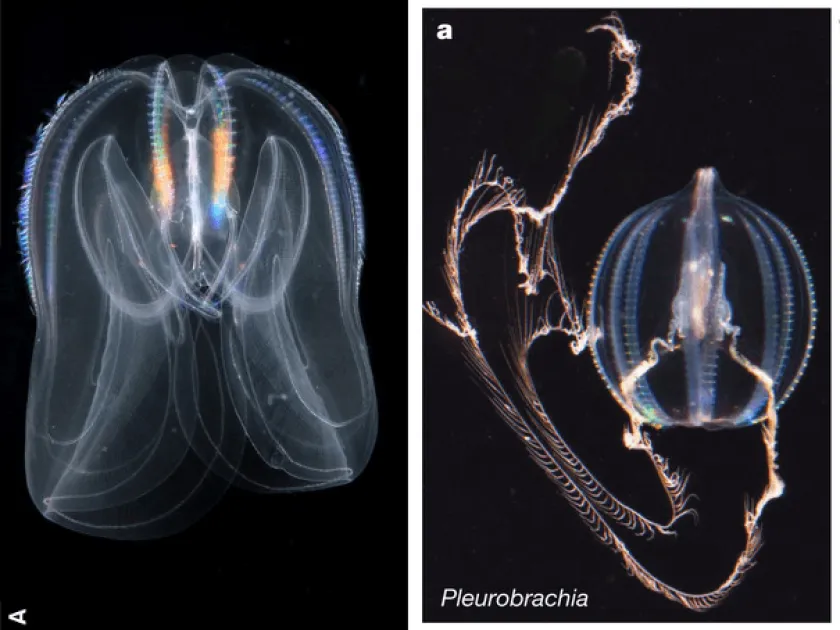
Description
How to identify
Pleurobrachia is a genus of comb jellies (Ctenophora) that are strictly marine organisms. They are characterized by a spherical body and two long, adhesive tentacles used for capturing prey.
They move through the water column using eight rows of ciliated comb plates. Their physiological needs are met by consuming zooplankton, which distinguishes them fundamentally from any plant-feeding insects or mites.
These organisms do not possess any organs capable of damaging plant tissue. Their entire biological life cycle is confined to marine or brackish water environments.
There is no morphological or behavioral evidence that would allow this genus to interact with land-based agricultural crops, vegetables, or field plants.
The classification of Pleurobrachia as a plant pest is entirely erroneous and stems from a fundamental misunderstanding of its ecological niche.
What it damages
Pleurobrachia does not cause any damage to agricultural crops. It lacks the biological mechanisms necessary to feed on, infest, or negatively impact plant life in any capacity.
In an agricultural setting, there is zero economic impact associated with this genus. Farmers and agronomists do not encounter this organism during standard field monitoring or scouting.
Agricultural productivity is not threatened by the presence of comb jellies. They are irrelevant to the management of pests in greenhouses, orchards, or open fields.
Any attempt to define this creature as a threat to plant health is scientifically unfounded and contradicts established biological data on the species.
No studies or records exist in agronomic literature that associate Pleurobrachia with reduced yields, crop disease, or physiological damage to plants.
Control measures
Since Pleurobrachia is not a pest, there are no measures of control or protection required. Applying pesticides or other chemicals to target these organisms is unnecessary and potentially harmful to the environment.
For irrigation systems that might pull water from marine-influenced sources, physical filtration is the only method to ensure debris-free water, but this has nothing to do with pest control.
Agronomists are advised to focus resources on managing verified pests, such as aphids, mites, or larvae, which truly pose a threat to plant health and productivity.
Effective crop protection relies on accurate identification of threats. Categorizing unrelated marine organisms as pests leads to wasted efforts and confusion in agricultural management.
Maintain proper sanitation and pest management protocols based on proven entomological and phytopathological data specific to your regional crops.
Taxonomy
- Latin name
- Pleurobrachia
- Family
- Pleurobrachiidae
- EPPO code
- PLBRSP
Discussion
No discussions yet — be the first.