
Philippine mealybug
Planococcus philippinensis
Description
How to identify
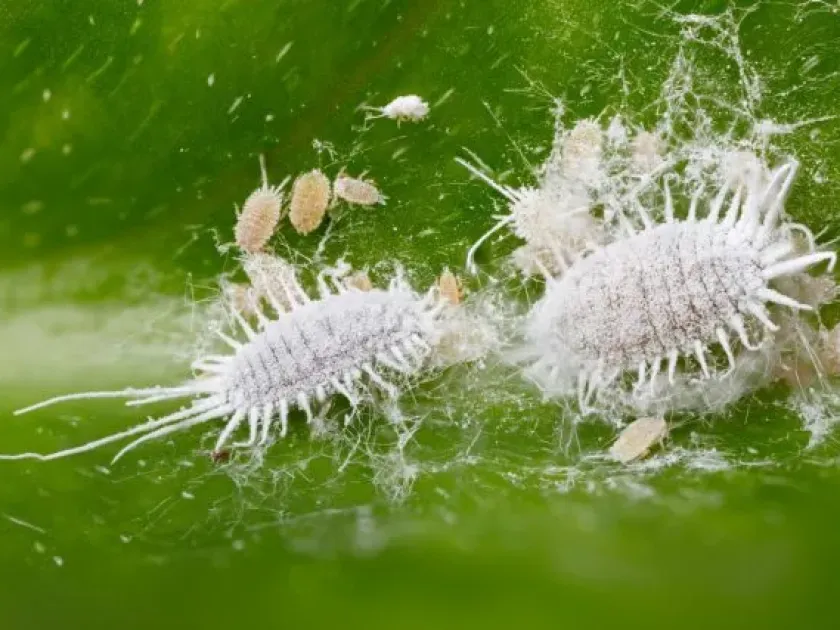
The Philippine mealybug, Planococcus philippinensis, is a member of the Pseudococcidae family within the Hemiptera order. It is characterized by a white waxy secretion that covers its small, oval body.
Adult females are mobile throughout their lifespan, which allows them to migrate across the plant in search of suitable feeding sites or sheltered areas to lay eggs.
The first-instar nymphs, often called "crawlers," are the primary stage for dispersal, as they can easily crawl onto new foliage or be carried by wind to nearby host plants.
The reproductive rate of this species is notably high in warm, humid climates, making it a persistent threat in both tropical and subtropical agricultural regions.
Distinguishing this species from other Planococcus members often requires professional taxonomic expertise and microscopic examination of the female’s body segments.
What it damages
This pest is a polyphagous insect that feeds on a diverse range of crops, including fruit trees, ornamental plants, and various woody perennials in greenhouses.
Key host plants frequently infested by this mealybug include citrus species, coffee plants, and a wide array of exotic fruit trees grown in commercial orchards.
By extracting plant sap from leaves, petioles, and young stems, the mealybug causes significant physiological stress to the host, resulting in stunted growth.
The removal of large quantities of sap often causes chlorosis, premature yellowing of leaves, and the eventual abscission of fruit and developing flower buds.
The feeding process leads to the excretion of honeydew, which creates a sticky surface that fosters the growth of sooty mold, blocking light for photosynthesis.
Signs of infestation
Initial signs of an infestation include the presence of white, cotton-like masses clustered along the veins of the leaves or hidden in plant branch crotches.
Sticky, shiny residue on the foliage, known as honeydew, indicates the presence of a thriving mealybug colony and is often the first visual indicator to farmers.
Visible decline in plant health, characterized by leaf curling, yellowing, and general lack of vigor, points to an advanced stage of colonization by the pest.
The development of black sooty mold on the leaf surfaces is a secondary symptom that severely interferes with the plant’s ability to conduct normal photosynthesis.
Aggressive ant behavior around a plant is a strong behavioral indicator, as ants often protect mealybug colonies to harvest the sweet honeydew they secrete.
Control measures
Management of Planococcus philippinensis requires a multi-faceted approach, emphasizing prevention and the integration of both biological and chemical tools.
In greenhouse or nursery settings, biological control agents such as predatory beetles (e.g., Cryptolaemus species) are highly effective at suppressing populations.
Chemical control focuses on the use of systemic insecticides, as the mealybug’s waxy coating provides a physical barrier against contact-based pesticide sprays.
Good agricultural practices, such as proper pruning for improved aeration and reducing excessive humidity, can significantly limit the success of this pest.
- Implement strict quarantine protocols for any new plant material brought into the garden or nursery.
- Use mineral oil applications during the dormant season to disrupt the overwintering life stages.
- Regularly monitor plants and manually remove lightly infested leaves or branches to curb initial outbreaks.
Taxonomy
- Latin name
- Planococcus philippinensis
- Order
- Hemiptera (bugs, aphids, leafhoppers)
- Family
- Pseudococcidae
- EPPO code
- PLANPH
Discussion
No discussions yet — be the first.