
Phragmatiphila nexa
Phragmatiphila nexa
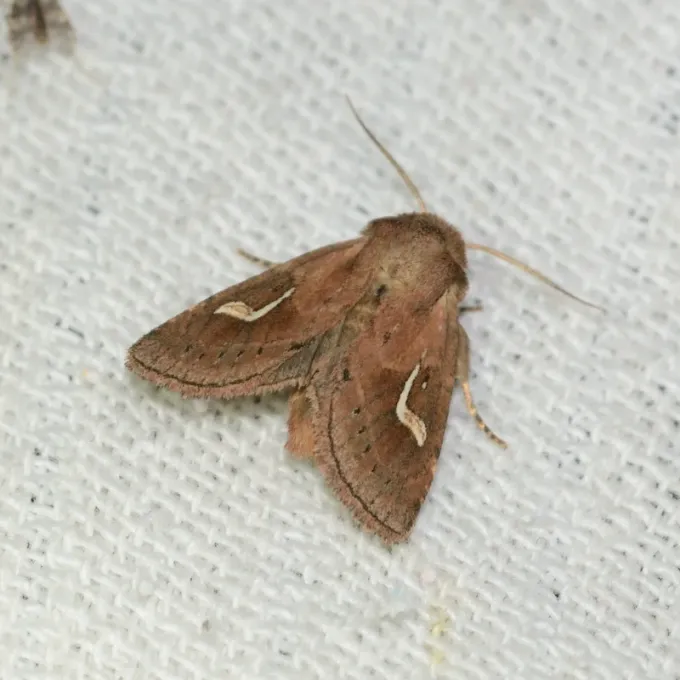
Description
How to identify
Phragmatiphila nexa, commonly known as a type of reed moth, is a species of moth in the Noctuidae family and the order Lepidoptera. This moth is well-adapted to wetland environments, which serve as its primary habitat for reproduction.
The adult moth is relatively small, with a wingspan of approximately 25 to 30 millimeters. Its appearance is generally cryptic, featuring brownish or ochre-colored forewings that blend into the surrounding vegetation.
The larvae, or caterpillars, are the damaging stage of this insect. They possess a robust chewing mouthpart, enabling them to bore directly into the hard, fibrous stems of grasses and reeds.
The life cycle follows a complete metamorphosis: egg, larva, pupa, and adult. This transition allows the insect to inhabit different niches throughout the season, complicating control efforts.
The species is primarily nocturnal, making visual identification of adults difficult without the use of specialized tools like light traps during the night.
What it damages
The primary hosts for Phragmatiphila nexa are various reed species, particularly Phragmites. However, when populations surge, the larvae can migrate to adjacent cereal crop fields, posing a significant risk.
The damage occurs when larvae penetrate the stems to feed on the internal tissues. This boring activity disrupts the plant's vascular system, preventing nutrients and water from reaching the upper parts of the stem.
Young cereal plants are particularly vulnerable. Damage to the central shoot often prevents the development of the ear or head, leading to significant yield losses in affected areas.
The infestation is typically localized at the edges of fields adjacent to wetlands or irrigation ditches where the moth's natural host plants grow in abundance.
Besides structural damage, the feeding tunnels created by the larvae introduce entry points for secondary pathogens, such as fungal and bacterial infections, further weakening the plant.
When it appears
The flight period for adult moths typically occurs during the summer months, with peaks often observed in June and July. This is the primary time for mating and oviposition.
Larval activity coincides with the period of rapid stem growth in grasses and cereals, ensuring a steady supply of soft, nutritious plant tissue for development.
The insect typically overwinters as a pupa or a late-instar larva, sheltered within the base of host plant stems or in the top layer of the soil near the host.
The timing of emergence for the next generation can be spread out, making it challenging for agronomists to predict the exact window for pesticide application.
Environmental factors like temperature and humidity levels are critical in determining the survival rates of the eggs and neonate larvae throughout the season.
Signs of infestation
The most prominent sign of infestation is the yellowing and wilting of the central leaf, which stands out distinctly against the otherwise healthy foliage of the crop.
Careful examination of the stem reveals small entry holes bored by the larva. These holes are often accompanied by frass (larval excrement), which resembles fine sawdust on the exterior of the plant.
If the stem is split vertically, a larval gallery will be visible, showing where the insect has consumed the internal structure of the stem.
Plants affected by the pest often exhibit stunted growth and an overall withered appearance compared to healthy, uninfested plants in the vicinity.
Monitoring for adult activity using light traps or pheromone baits is an effective way to detect the presence of the moth before significant damage becomes apparent.
Control measures
The most effective long-term control strategy is the management of the surrounding area, specifically the removal of reeds and tall grasses from ditch banks and field edges.
Systemic insecticides are generally required to manage infestations, as these chemicals can move through the plant's vascular system to target larvae hidden inside the stems.
Crop rotation and field hygiene practices are essential to break the pest's cycle and prevent it from successfully overwintering near the susceptible crop zones.
Biological control agents, including specific entomopathogenic fungi or beneficial insects, are becoming increasingly relevant as part of integrated pest management programs.
Pest monitoring, through the use of pheromone traps, helps agronomists time the application of treatments, ensuring that insecticides are used only when necessary and during the most vulnerable stage of the pest.
Taxonomy
- Latin name
- Phragmatiphila nexa
- Order
- Lepidoptera (butterflies)
- Family
- Noctuidae
- EPPO code
- PHRGNE
Discussion
No discussions yet — be the first.