
Phlogophora
Phlogophora
Description
How to identify
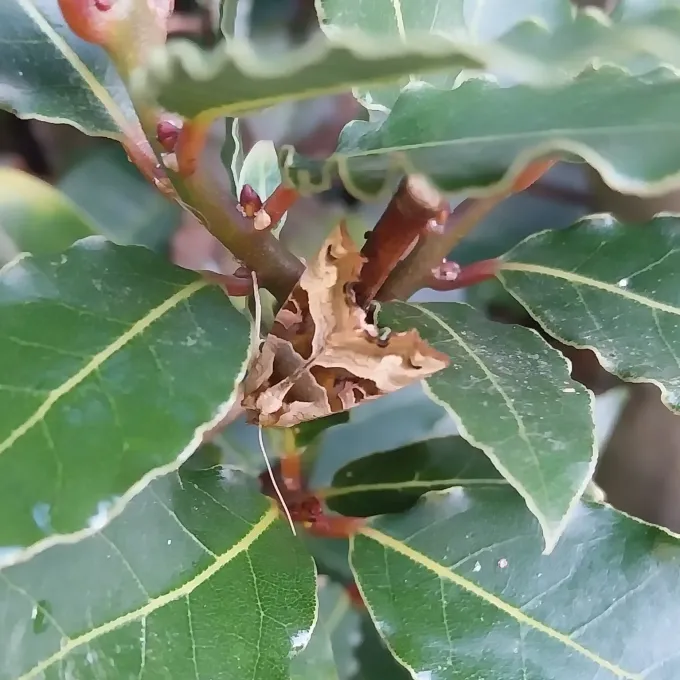
Phlogophora, commonly known as the Angle Shades moth, is a member of the Noctuidae family, belonging to the order Lepidoptera. The adult moth has a wingspan of approximately 45–50 mm.
Its forewings feature a distinctive pattern of brown, ochre, and pinkish shades, which camouflage the moth perfectly against dead or dying leaves.
The larvae are typically 40–50 mm long and exhibit a range of colors from light green to brown, often marked with pale longitudinal stripes along the back.
The life cycle involves four stages: egg, larva, pupa, and adult. This biological progression allows the species to adapt effectively to various environmental conditions.
Pupation occurs in the soil or within leaf litter, where the larvae construct protective cocoons made of silk and soil particles to survive the colder months.
What it damages
As a polyphagous species, Phlogophora larvae feed on a vast range of host plants, including agricultural crops, vegetables, and many ornamental garden species.
Common hosts include plants from the Brassicaceae, Solanaceae, and Fabaceae families, as well as flowers like chrysanthemums and pelargoniums.
In greenhouses, this pest poses a significant threat to seedlings, often causing severe damage that results in total loss of marketable product.
The larvae feed primarily at night, chewing holes in leaves and occasionally attacking stems and flower buds, which inhibits the plant's overall development.
Heavy infestations can lead to complete defoliation, leaving the plant vulnerable to environmental stress and secondary infections by bacteria or fungi.
When it appears
The first generation of adult moths usually emerges in late spring or early summer, depending on the local climatic conditions and ambient temperature.
Activity peaks during the summer months when warm conditions facilitate rapid development of subsequent generations of the larvae.
Depending on the region, Phlogophora can produce up to two generations per season, necessitating consistent monitoring throughout the growing period.
Autumn activity levels may decrease, but late-season larvae can continue to thrive on crops protected in greenhouses or those in warmer sheltered areas.
As temperatures drop, the final larvae of the season enter the soil to pupate, successfully overwintering until the next growing cycle begins.
Signs of infestation
Irregular, ragged holes in leaf blades are the most common early sign of an infestation, indicating the presence of active, hungry larvae.
Dark granular frass (excrement) found on the foliage or at the base of the plant serves as a clear indicator of the pest's recent feeding activity.
During the day, larvae are usually hidden in the underside of leaves or deep within the plant foliage, making them difficult to spot without close inspection.
Deformed growth or wilting shoots often result from the larvae damaging the apical meristems or stems, causing structural distress to the plant.
A sudden decline in plant health or visible signs of defoliation in ornamental gardens are classic symptoms that warrant a thorough search for larvae.
Control measures
Implementing deep soil cultivation in the autumn is an effective cultural practice to disrupt the pupation stage and reduce the overwintering population.
Maintaining a weed-free area around crops is essential, as many common weeds serve as alternative host plants and reservoirs for Phlogophora.
Biological control using Bacillus thuringiensis (Bt) sprays is highly effective and safe, specifically targeting the larvae without impacting beneficial insects.
When populations exceed economic thresholds, the use of targeted insecticides is recommended, ensuring application covers both leaf surfaces and the plant base.
- Utilize pheromone traps to track adult moth flight and timing of egg-laying.
- Hand-pick larvae during evening hours when they are most active on the foliage.
- Apply physical barriers like netting to prevent egg-laying on vulnerable young crops.
Taxonomy
- Latin name
- Phlogophora
- Order
- Lepidoptera (butterflies)
- Family
- Noctuidae
- EPPO code
- PLGPSP
Discussion
No discussions yet — be the first.