
Grapevine moth
Phalaenoides glycinae
Description
How to identify
The grapevine moth (Phalaenoides glycinae) is a lepidopteran pest belonging to the Noctuidae family. It is known for its distinctive life cycle and the ability to rapidly colonize vineyards.
Adult moths are typically nocturnal, featuring dark-colored wings with bright patterns. These markings serve as camouflage, allowing them to remain inconspicuous while resting on bark or leaf litter.
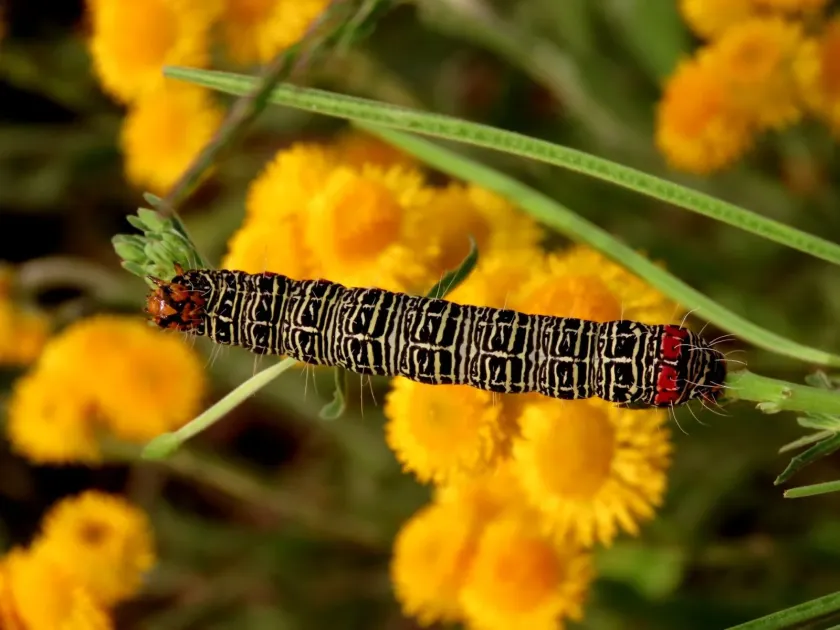
The larval stage is the primary destructive phase. Caterpillars are characterized by their robust size and colorful patterns, often possessing distinct setae that protect them from predators.
The species usually overwinters as a pupa, hiding in soil or within the crevices of vine trunks. This stage is highly resistant to environmental fluctuations, ensuring the population survives until the following spring.
After reaching maturity, the pupae emerge as adults, which then mate and deposit eggs on host plants. Eggs are commonly placed on the undersides of leaves or on tender young vine shoots.
What it damages
The grapevine moth targets viticulture plants primarily. If left unchecked, the larvae can defoliate entire blocks of a vineyard, leading to severe physiological stress for the vines.
Feeding begins early in the season when larvae consume dormant or bursting buds. This damage is critical, as it directly reduces the number of potential fruiting shoots for the entire season.
As the season progresses, caterpillars feed on foliage, leading to skeletonized leaves. This reduction in photosynthetic area significantly limits the vine's ability to store carbohydrates for future growth.
The larvae may also consume grape bunches and green berries. These feeding sites become entry points for secondary fungal infections, such as gray mold (Botrytis), which can ruin the harvest.
Economic impact includes both direct yield loss and reduced fruit quality. Severe infestations necessitate costly chemical interventions, increasing production expenses for vineyard owners.
Signs of infestation
Visible leaf damage is the most common sign. You may observe irregular holes or leaves that are entirely consumed except for the main veins, creating a "skeletonized" appearance.
The presence of frass (caterpillar droppings) under the vine foliage is a strong indicator of an active infestation. These dark, pellet-like droppings accumulate near the base of the plant.
Stunted or withered new growth, often misidentified as frost damage, can be a sign that larvae have been grazing on the tender tissues of the shoot tips.
Webbing between leaves or around clusters may indicate that the caterpillars are creating protective nests, making them harder to target with topical pesticide applications.
Visual identification of the larvae is possible during the evening hours. Inspecting the undersides of leaves or the base of stems usually reveals the presence of these active feeding pests.
Control measures
Cultural control is a foundational strategy. Autumn deep cultivation helps destroy pupae overwintering in the soil, effectively reducing the population for the next season.
Weed management is essential, as many surrounding weed species can host the larvae before they migrate to the vines. Maintaining clean vineyard rows disrupts the moth's habitat.
Chemical control should be implemented based on monitoring data. Systemic or contact insecticides are most effective when applied just as the young larvae emerge from their eggs.
Biological control methods, such as utilizing Bacillus thuringiensis sprays, are highly recommended for sustainable pest management, as they are effective against larvae but safe for beneficial fauna.
Pheromone traps are excellent tools for monitoring flight patterns. By tracking the population peaks, growers can time their interventions precisely, ensuring maximum efficacy and minimizing pesticide use.
Taxonomy
- Latin name
- Phalaenoides glycinae
- Order
- Lepidoptera (butterflies)
- Family
- Noctuidae
- EPPO code
- PHLAGL
Discussion
No discussions yet — be the first.