
Peridroma clerica
Peridroma clerica
Description
How to identify
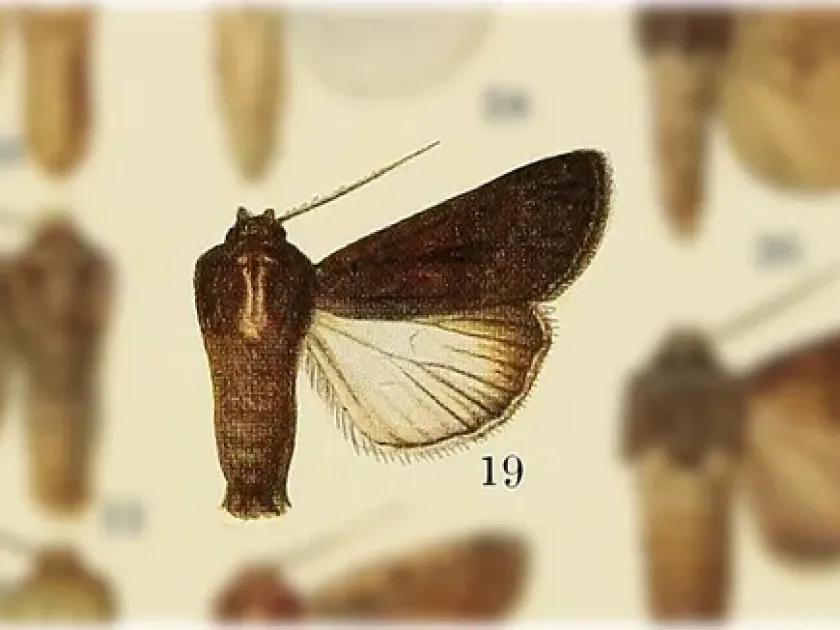
Peridroma clerica is a member of the Noctuidae family, belonging to the order Lepidoptera. Adults are nocturnal moths with a cryptic coloration that allows them to blend perfectly with their surroundings during the day.
The larvae are classic cutworms, possessing a robust body and powerful mandibles designed for cutting through plant tissue. Their color is usually dull, ranging from grey to brown, which serves as camouflage within the soil environment.
Their life cycle includes complete metamorphosis: egg, larva, pupa, and adult. Each stage is strictly tied to environmental conditions, with the pupa stage often taking place within the soil for protection.
These moths are highly adaptable to various ecological conditions, which explains their wide distribution and persistence in agricultural areas.
Reproductive success is highly dependent on climate, specifically moisture levels during the egg-laying phase and soil temperature during the pupation process.
What it damages
Peridroma clerica is a polyphagous pest, meaning it feeds on a wide variety of plant species, including vegetables, grains, and various industrial crops.
Young larvae are particularly dangerous, as they often target the root collars of young seedlings, leading to immediate plant death and causing patchy crop stands.
Older larvae consume foliage and stems, often stripping plants entirely. This level of damage is catastrophic for young crops that have not yet established a strong root system.
Even when a plant survives the initial attack, the mechanical damage often leads to secondary infections such as bacterial soft rot, which further reduces yield quality.
In high-density populations, this pest can cause significant economic losses in a matter of days if left unmonitored during the susceptible development stages of the crop.
When it appears
Adult moth activity begins in early spring as temperatures rise, signaling the start of the first generation's life cycle. This is when eggs are laid in the vicinity of susceptible host plants.
The larval stage is most destructive during the late spring and early summer, coinciding with the rapid growth phase of seedlings and young transplants.
Subsequent generations continue to pose a threat throughout the summer, targeting developing fruit and foliage as they reach maturity.
As autumn approaches, larvae consume significant amounts of biomass to prepare for overwintering, potentially damaging root crops left in the field before harvest.
Overwintering typically occurs in the pupal stage deep within the soil profile, providing them with enough insulation to survive harsh winter conditions.
Signs of infestation
The most evident sign of a Peridroma clerica infestation is the sudden collapse of young plants. If a plant looks healthy one day and is wilted or missing the next, it is a key indicator of cutworm activity.
Dark granular frass left on the soil surface around the base of affected plants is another definitive sign of the presence of feeding larvae.
Inspecting the soil around the base of a wilted plant during the day often reveals the curled-up larvae hiding just below the surface, waiting for nightfall.
Ragged edges on leaves or completely severed stems at the soil line are classic symptoms that the pest is actively feeding in the area.
- sudden wilting of seedlings;
- severed stems near the soil surface;
- presence of dark frass;
- larvae found buried near the plant base.
Control measures
Cultural control, such as deep plowing after harvest, is highly effective as it disrupts the pupation sites and exposes the pupae to natural predators and freezing temperatures.
Weed management is a critical preventive measure, as weeds provide alternative food sources and shelter for the larvae during the early season.
Biological control agents, including parasitic wasps and entomopathogenic nematodes, can be used to manage population levels in an environmentally friendly manner.
Chemical control using targeted insecticides should be applied only when scouting thresholds are exceeded, ensuring minimal impact on non-target beneficial species.
Implementing an integrated pest management (IPM) strategy that combines monitoring, cultural practices, and selective chemicals provides the best protection for agricultural yields.
Taxonomy
- Latin name
- Peridroma clerica
- Order
- Lepidoptera (butterflies)
- Family
- Noctuidae
- EPPO code
- PERRCL
Discussion
No discussions yet — be the first.