
Paratylenchus baldaccii
Paratylenchus baldaccii
Description
How to identify
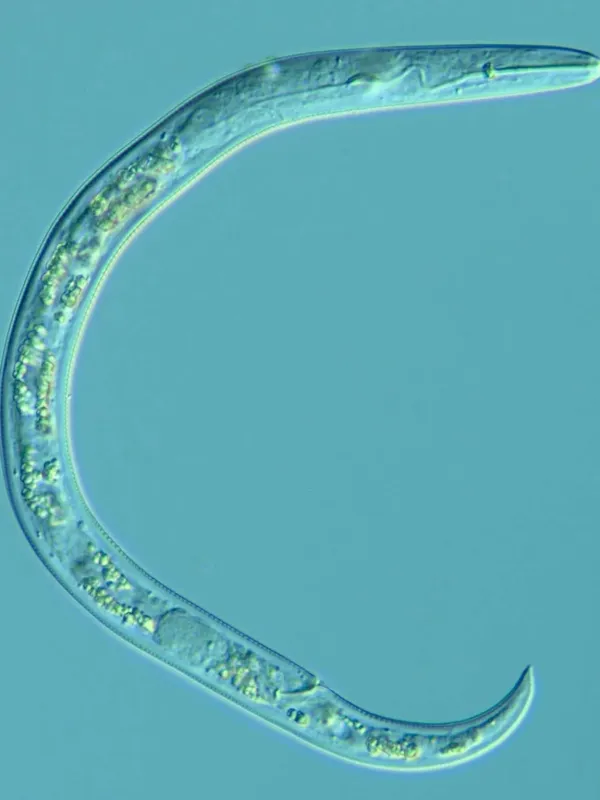
Paratylenchus baldaccii is a microscopic ectoparasitic nematode belonging to the family Paratylenchidae. These organisms are tiny, worm-like creatures, typically measuring less than 0.4 mm in length.
The defining feature of this species is its specialized stylet, which the nematode uses to penetrate the root cells of host plants and extract nutrients for its survival.
Due to their microscopic size and soil-dwelling lifestyle, they are virtually impossible to identify without professional laboratory extraction and microscopic analysis.
They thrive in well-aerated, moist soil conditions, which facilitate their movement through the thin films of water surrounding soil particles.
As part of the order Tylenchida, they are closely related to other major plant-parasitic nematodes that pose significant threats to global agricultural production.
What it damages
This nematode primarily targets the root systems of various crops, including vegetable, fruit, and ornamental plants, causing reduced vitality.
In greenhouses and nursery environments, Paratylenchus baldaccii can multiply rapidly, leading to chronic stress in plants and overall yield reduction.
The damage caused by feeding leads to impaired water and nutrient uptake, which directly negatively affects the development and growth rate of the host plant.
Furthermore, the physical injury caused by the nematode creates entry points for various pathogenic fungi and bacteria, leading to complex root diseases.
High population densities can cause substantial economic losses, as the resulting stunted growth makes crops unmarketable or significantly less productive.
Signs of infestation
Symptoms of an infestation are often non-specific and are frequently mistaken for nutrient deficiencies or soil fatigue issues.
Affected plants typically show signs of stunted growth, leaf chlorosis, and general yellowing, indicating that the root system is unable to sustain the plant properly.
During peak temperatures, plants infested with this nematode are prone to premature wilting because the compromised root system cannot keep up with transpiration needs.
Root systems might show signs of necrosis, browning, or a reduced number of healthy lateral roots, which is a clear indicator of parasite interference.
Farmers should observe plant patches that show uneven development or stunted patches across the field as a primary signal for further laboratory investigation.
Control measures
Management of Paratylenchus baldaccii relies heavily on integrated pest management (IPM) practices, given that eradicating nematodes from open fields is difficult.
Crop rotation remains one of the most effective cultural practices, involving the use of non-host plants to naturally reduce the nematode population over time.
In protected cultivation, steam sterilization or heat treatment of the soil is highly recommended to eliminate the pest before a new planting cycle begins.
Maintaining high standards of farm hygiene, including the use of certified healthy planting material, prevents the spread of the parasite to new fields.
The use of nematicides is generally considered a last resort, requiring careful application, monitoring, and adherence to environmental protection regulations.
Taxonomy
- Latin name
- Paratylenchus baldaccii
- Order
- Nematodes
- Family
- Paratylenchidae
- EPPO code
- PARABA
Discussion
No discussions yet — be the first.