
Paratullbergia
Paratullbergia
Description
How to identify
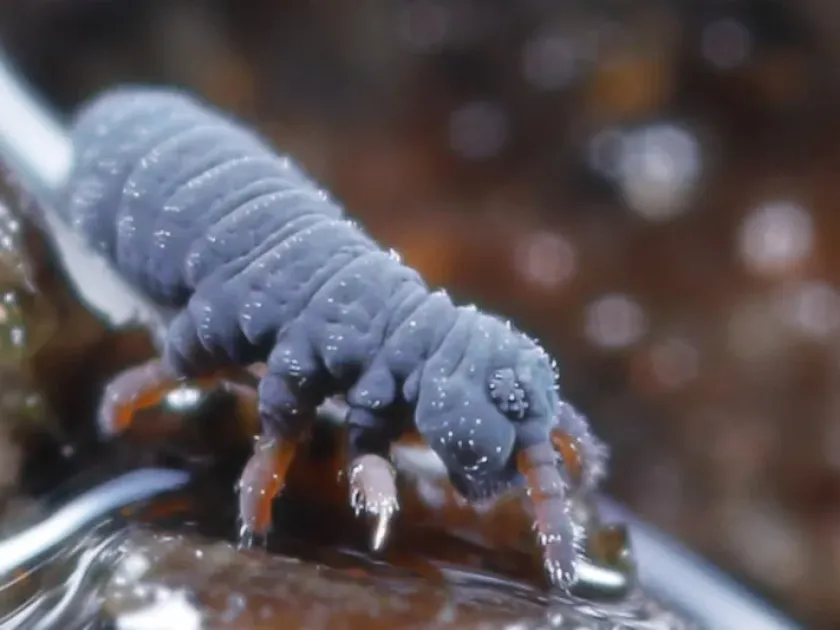
Paratullbergia belongs to the family Tullbergiidae, a member of the order Collembola. These are microscopic soil arthropods characterized by an elongated, white or creamy body lacking pigmentation.
A key morphological feature of this genus is the absence of a furcula (springing organ), making them less mobile than other Collembola species. Since they live entirely within the soil profile, their eyes are highly reduced.
These organisms are typical inhabitants of soil layers, preferring moist, organic-rich substrates. Their development occurs through several molting stages, and unlike insects, they continue to molt throughout their adult life.
Reproduction takes place in the soil, where females lay eggs in small cavities or loose soil aggregates. Soil moisture and temperature are the main factors governing their reproductive cycle speed.
Population densities can increase rapidly under poor horticultural management, making them a significant threat to young plants in greenhouse environments.
What it damages
Paratullbergia causes damage to a wide range of crops, particularly during the early stages of plant development. Seedlings of vegetables, flowers, and ornamental plants in containers are highly vulnerable.
The damage is primarily inflicted on the root system, young root hairs, and hypocotyls. The pests consume tender tissues, creating pathways for phytopathogenic fungi and bacteria, leading to root rot.
Damage to germinating seeds is critical, as the pest can destroy the embryo completely. This results in poor germination rates and significant economic losses for commercial growers.
Seedlings grown in peat-based or coconut fiber substrates are at high risk. The high water-holding capacity of these materials creates ideal conditions for the rapid multiplication of these pests.
Beyond direct tissue consumption, the pest contributes to stunted plant growth, making the seedlings more susceptible to secondary diseases and unfavorable environmental stresses.
When it appears
In natural conditions, Paratullbergia is active throughout the warm season, with population peaks occurring during periods of high soil humidity.
In greenhouses, the pest can develop year-round if irrigation is maintained and organic plant residues are present. The lack of a distinct diapause allows populations to recover quickly after pest management activities.
The most favorable time for mass reproduction is during the spring when soil warms up and moisture levels remain consistently high in the substrate.
Activity can persist into autumn if the greenhouse climate promotes the decomposition of plant residues, which serve as a food source for these springtails.
Seasonal appearances are closely linked to irrigation intensity. Excessive watering acts as a trigger for rapid increases in individual numbers in the root zone.
Signs of infestation
One of the main signs of infestation is stunted growth in seedlings, which appear weak and suppressed compared to healthy plants in the same environment.
- Small pits or bite marks on cotyledons and hypocotyls.
- Yellowing or wilting of seedlings despite adequate soil moisture.
- Patchy germination and loss of seedlings in infested areas.
- Microscopic white organisms visible on the surface of damp soil.
When uprooting an affected plant, one can observe damaged, darkened root tissues that are often slimy due to the onset of decay.
After heavy watering, individuals may cluster on the surface, resembling a layer of white dust or fine sand that moves when disturbed.
Control measures
The primary control method is the regulation of irrigation. Avoiding waterlogging in pots and beds significantly reduces the reproductive potential of the pest.
The use of high-quality, disinfected substrates and avoiding the use of uncomposted manure is essential to minimize the risk of infestation.
Biological control, such as using preparations containing entomopathogenic fungi, is effective in reducing population numbers directly within the soil substrate.
Chemical control includes drenching the soil with systemic or contact insecticides approved for greenhouse use, provided that the dosages are strictly followed.
Preventive disinfection of trays, tools, and benches before planting or sowing is a mandatory component of a comprehensive soil pest management system.
Taxonomy
- Latin name
- Paratullbergia
- Family
- Tullbergiidae
- EPPO code
- PTULSP
Discussion
No discussions yet — be the first.