
Oraesia emarginata
Oraesia emarginata
Description
How to identify
Oraesia emarginata is a nocturnal moth belonging to the family Erebidae, classified within the group of fruit-piercing moths. In appearance, the adult moth resembles a dried leaf, providing excellent camouflage within tree canopies.
The forewings of the insect have a brownish coloration with a distinctive emarginate (notched) margin, which is reflected in the species name. The wingspan is approximately 40–50 mm, and the coloration helps the moth remain hidden against tree bark.
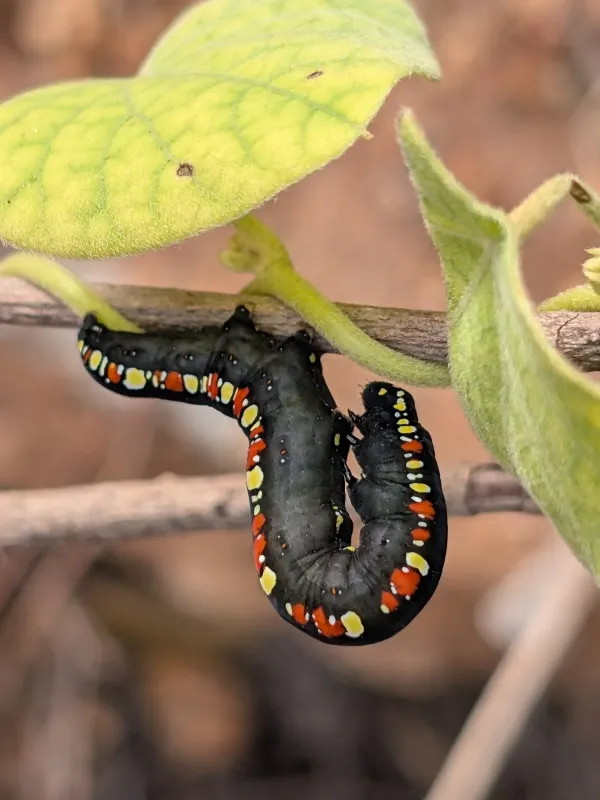
The larvae (caterpillars) of Oraesia possess a specific appearance typical of noctuids and go through several instars of development while actively feeding on plant tissues.
Unlike many other agricultural pests, the adult moths are capable of independently piercing the skin of ripe fruits to feed on the juice, which is a unique evolutionary adaptation.
The species is predominantly distributed in regions with temperate and subtropical climates across Asia and is periodically recorded in orchards as a dangerous secondary pest.
What it damages
The primary damage is caused by adult moths, which feed on the sap of ripe fruits. This results in significant loss of commercial quality and aesthetic appeal of the produce.
Commonly affected crops include peaches, apples, pears, citrus, and grapes. The moths are particularly active during the fruit ripening stage.
Small puncture wounds form at the sites of feeding, allowing pathogenic fungi and bacteria to enter, which rapidly causes fruit rot and fermentation.
Damaged fruits lose their flavor, commercial value, and are rendered entirely unsuitable for long-term storage or transportation.
The level of damage depends on the population density and the proximity of orchard plantations to forest areas, which serve as additional food sources for the moths.
Signs of infestation
The first signs of the pest in an orchard are punctures on the surface of ripening fruits, often accompanied by active fermentation or rot processes.
Upon inspection, one can notice small, precise holes corresponding to the moth's proboscis, surrounded by rapidly expanding dark patches of decay.
At night, using flashlights or light traps can reveal the presence of adult moths feeding directly on the fruits.
The presence of specific frass on leaves or fruits may indicate caterpillar feeding if they are active in the immediate vicinity.
The mass shedding of prematurely ripened fruit, damaged by microorganisms introduced through punctures, serves as a critical indicator of high-level infestation.
Control measures
Effective protection against Oraesia emarginata is challenging because adults, rather than larvae, cause the primary damage, rendering many traditional insecticides ineffective.
The use of light traps during the night helps reduce the moth population in the orchard, preventing mass feeding on developing fruits.
It is essential to maintain orchard hygiene by promptly removing dropped and damaged fruits, which act as sources for secondary infection spread.
The application of deterrents or protective netting for individual fruits can be justified in small-scale farming operations to preserve high-value harvests.
- Regular monitoring of fruits during the ripening season.
- Prompt harvesting to avoid leaving ripe fruit on the tree for too long.
- Sanitary pruning and destruction of weed reservoirs.
- Use of biological repellents during periods of high adult activity.
Taxonomy
- Latin name
- Oraesia emarginata
- Order
- Lepidoptera (butterflies)
- Family
- Noctuidae
- EPPO code
- ORAEEM
Discussion
No discussions yet — be the first.