
Oligia fractilinea
Oligia fractilinea
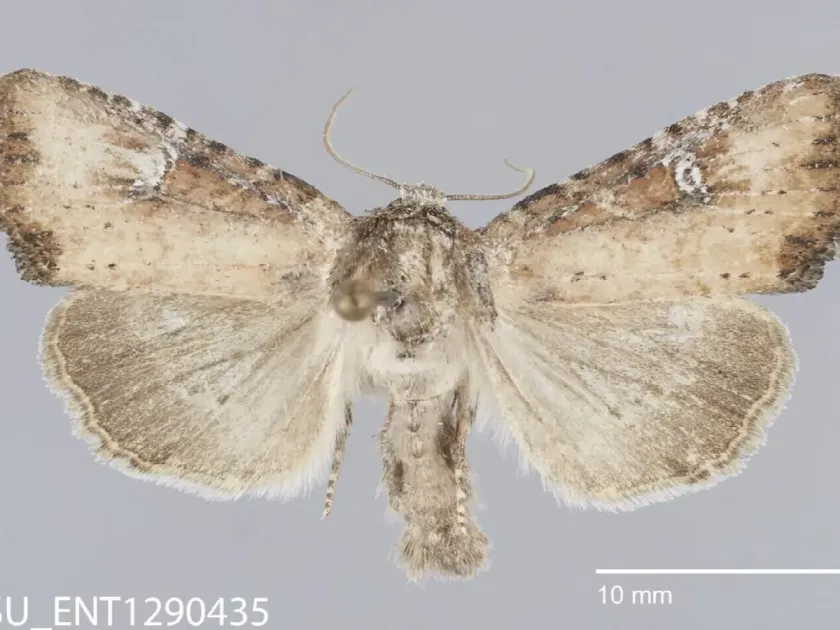
Description
How to identify
Oligia fractilinea is a moth species belonging to the family Noctuidae, widely recognized as a significant pest of various cereal crops in agricultural settings.
The adult moth is relatively small with a wingspan of approximately 25–30 mm, displaying cryptic coloration that helps it blend into natural environments.
Its forewings are characterized by a broken, mottled pattern of brown, gray, and black tones, providing excellent camouflage against soil and plant debris.
The larvae, or caterpillars, go through several developmental stages, eventually reaching a size that allows them to cause substantial damage to crop stems.
Pupation occurs within the soil, where the insect constructs a small chamber, protected from environmental extremes until the adult emergence.
What it damages
The primary hosts for Oligia fractilinea include economically important cereal crops such as corn, wheat, rye, and barley grown in temperate climates.
Larvae are internal feeders, boring into the stems of young plants, which disrupts the vascular system and prevents the transport of water and nutrients.
This feeding behavior leads to significant stunting, wilting, and often the death of the central shoot of the cereal plant, reducing the potential yield.
Large infestations can result in uneven stands and considerable economic losses, especially when the pest attacks crops during their vulnerable growth stages.
Furthermore, the physical damage caused by the caterpillars creates entry points for various fungal and bacterial pathogens, complicating crop health management.
When it appears
The flight period of adult moths typically occurs during the summer months, often spanning from mid-summer until early autumn depending on regional climate.
Mated females lay eggs on the leaves or stems of host plants, ensuring that the emerging larvae have immediate access to their preferred food source.
This species typically overwinters in the egg or early larval stage, allowing the population to survive cold winter temperatures within the soil or debris.
As spring temperatures rise, overwintering larvae become active, resuming their feeding cycle on young, succulent cereal shoots which are crucial for early growth.
The synchrony between the insect’s life cycle and the development of cereal crops is a key factor in the potential severity of the pest outbreak each year.
Signs of infestation
The most prominent sign of infestation is the yellowing and wilting of the central leaf of the plant, often referred to as a "dead heart" symptom.
Close inspection of the base of the plant may reveal entry holes where the larva has bored into the stalk, accompanied by frass or excrement particles.
Affected plants often appear stunted and have an irregular growth pattern compared to the surrounding healthy vegetation within the field.
A simple field test involves gently pulling the central leaf; if it detaches easily, it is a strong indicator of internal stem damage caused by the larvae.
Carefully splitting the stem longitudinally often reveals the larva inside, which provides a definitive diagnosis of the presence of this specific pest.
Control measures
Effective management begins with robust crop rotation practices that reduce the buildup of pest populations in specific fields over consecutive years.
Mechanical control, such as deep autumn plowing, is highly effective in disrupting the overwintering cycle and killing pupae and larvae within the soil.
Sanitation practices, including the removal of volunteer cereals and grassy weeds from field margins, help eliminate alternative habitats for the larvae.
Chemical control should be applied based on systematic monitoring and adherence to economic threshold levels to prevent unnecessary environmental impact.
Utilizing pheromone traps for monitoring adult flight allows farmers to time interventions precisely, ensuring maximum efficacy of any applied pesticide treatments.
Taxonomy
- Latin name
- Oligia fractilinea
- Order
- Lepidoptera (butterflies)
- Family
- Noctuidae
- EPPO code
- OLIAFR
Discussion
No discussions yet — be the first.