
Oligia
Oligia
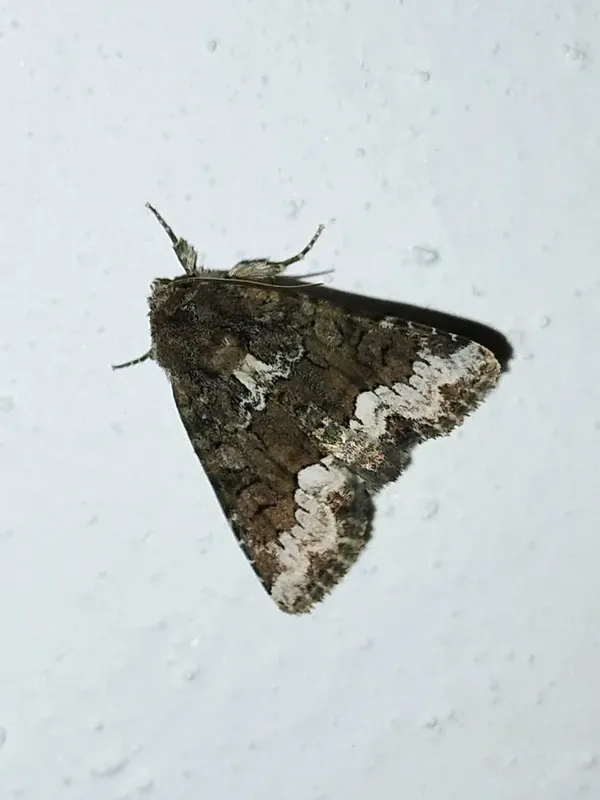
Description
How to identify
Oligia is a genus of moths belonging to the Noctuidae family, order Lepidoptera. These moths are generally small to medium-sized and possess cryptic coloration, which helps them blend in with vegetation, bark, or leaf litter during the day.
The larvae, often referred to as cutworms or stem borers, have a cylindrical body with well-developed thoracic legs and abdominal prolegs. Their head is highly sclerotized to facilitate boring into plant stems.
The life cycle follows complete metamorphosis, including egg, larva, pupa, and adult stages. This complex cycle allows the species to adapt to various environmental pressures throughout the growing season.
Adult moths are primarily nocturnal, showing a strong attraction to artificial light sources. This behavior is widely used by researchers and agronomists to monitor population densities in agricultural fields.
Identifying species within the Oligia genus is often difficult based on external features alone. Precise identification usually requires the examination of male and female genital structures by experts.
What it damages
Oligia larvae primarily attack various cereal crops, including wheat, barley, rye, and oats. They are significant pests that can thrive in both cultivated fields and natural grasslands.
As stem borers, the larvae tunnel into the stalks of young cereal plants, feeding on the soft interior tissues. This damage disrupts the plant's vascular system, preventing the flow of nutrients.
The most critical period for damage is during the tillering and stem elongation stages. Once the central stalk is severed or hollowed out, the plant stops growing and typically dies.
Infestations often result in patches of withered plants, significantly reducing overall crop density and potential yields. In severe cases, large areas of a field may suffer substantial losses.
Beyond crop losses, these pests use wild grasses as alternate hosts, which allows their populations to persist even in the absence of primary cereal crops.
When it appears
The development of Oligia typically involves one or two generations per year, depending on the climatic conditions of the region and the specific species in question.
Winter is generally spent in the larval stage, where the caterpillars remain in the soil or protected within the bases of perennial grasses to survive low temperatures.
As temperatures rise in the spring, the larvae become active and move to young cereal crops to resume feeding. This is the period when they are most aggressive and cause visible damage.
The flight of adult moths usually occurs from late spring through summer, during which time they mate and deposit eggs on the host plants or nearby soil.
Pupation occurs in the soil or within the shelter of plant debris, marking the transition to the next stage of the life cycle before the onset of the cold season.
Signs of infestation
The initial symptom of infestation is the yellowing and wilting of the central leaf of the seedling, which gradually turns brown and dies while the rest of the plant remains intact for a while.
Careful inspection of the plant base may reveal small entry holes made by the larvae when they first bored into the stem, accompanied by frass or excrement near the point of entry.
Dissecting the stems of affected plants often reveals the larvae feeding inside or, in later stages, the empty tunnels they created while destroying the interior tissues.
Field signs include scattered dead plants or "gaps" in the rows of grain, which become more pronounced as the larvae continue their development and move between plants.
Monitoring for adults via light traps is a reliable sign of moth activity, indicating that egg-laying is occurring and that vigilance is required to prevent upcoming larval outbreaks.
Control measures
Effective management begins with cultural practices, such as crop rotation, which breaks the pest's cycle by removing the continuous availability of host cereal crops.
Deep plowing after the harvest helps disrupt the larval and pupal stages by exposing them to predators and harsh environmental conditions, significantly reducing their survival rate.
Sanitation practices, such as the removal of weeds and wild grasses around field edges, are essential to eliminate the overwintering sites and primary breeding grounds for these moths.
Chemical control involving systemic insecticides is applied when the pest population exceeds the economic threshold, targeting the larvae while they are still in the early feeding stages.
- Monitor adult flight using light traps regularly.
- Implement proper weed management to reduce host plants.
- Use integrated pest management to balance chemical and biological controls.
Taxonomy
- Latin name
- Oligia
- Order
- Lepidoptera (butterflies)
- Family
- Noctuidae
- EPPO code
- OLIASP
Discussion
No discussions yet — be the first.