
Nephelodes emmedonia
Nephelodes emmedonia
Description
How to identify
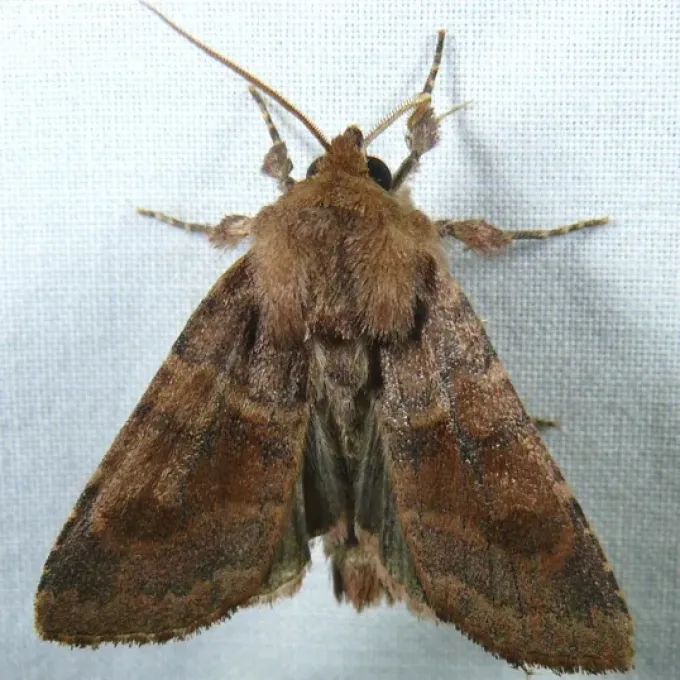
Nephelodes emmedonia, commonly known as the bronzed cutworm, is a species of moth belonging to the family Noctuidae. The adult moths have a wingspan of approximately 35 to 45 mm, with forewings varying from greyish-brown to a distinct bronze-brown.
The larvae, or caterpillars, reach lengths of 40 to 50 mm. They are characterized by a dark body featuring longitudinal yellow or light-colored stripes, providing effective camouflage within grassy environments.
The lifecycle follows a complete metamorphosis pattern: egg, larva, pupa, and adult. In most geographical areas, this species completes one generation per year, though population densities can fluctuate significantly based on environmental factors.
Taxonomically, this insect is part of the order Lepidoptera. Being nocturnal, the larvae remain hidden during the day, making them difficult to detect without careful scouting methods in the field.
Females typically deposit eggs on the leaves of host plants or directly onto the soil nearby. Upon hatching, the larvae immediately begin feeding, progressing through several instars before reaching maturity.
What it damages
This pest primarily attacks various grass species, including pastures and cereal crops. Oats, corn, and wheat are among the most susceptible crops during their early growth stages in the spring.
The larvae can also thrive on wild grasses found along field borders and in uncultivated areas, which often serve as primary reservoirs before the pests migrate into cash crops.
When infestation levels are high, the larvae consume both leaves and stems. They frequently feed at the base of the plant, cutting the stems and causing the plant to collapse and die.
Significant yield losses occur when large populations of larvae are present during the seedling stage, leading to thin or patchy fields that often require replanting.
Damaged plants that survive the initial attack often suffer from secondary infections or reduced vigor, as the foliage loss prevents proper photosynthesis and weakens the root system.
When it appears
The insect typically overwinters as a mid-instar larva, sheltered within the upper soil layer or beneath accumulated plant debris. Activity resumes as temperatures rise in the spring.
The peak feeding period for larvae is during the spring months, specifically May and June. This is when the pests cause the most substantial economic impact on newly emerged agricultural crops.
Pupation generally takes place in the soil or within folded leaves at the start of summer. This stage lasts for several weeks before the emergence of adult moths.
Adult moths are active during the mid-summer period, primarily in July and August. During this time, they mate and lay eggs, initiating the cycle for the next generation.
Young larvae from the summer generation feed briefly until the cooler temperatures of autumn trigger a diapause state, preparing them for overwintering until the following spring.
Signs of infestation
The most noticeable sign is the presence of irregular chewing patterns on the leaves of cereal plants. Larvae often eat large chunks from the leaf margins, leaving behind ragged edges.
Visible insect droppings (frass) found at the base of the plants or on the surface of the soil are a reliable indicator of larval feeding activity occurring during the night.
The appearance of barren areas or localized patches where seedlings have been destroyed suggests a concentrated infestation. These patches are often larger in fields with high moisture levels.
Inspecting the plants at night with a flashlight is the most accurate way to confirm the presence of larvae, as they retreat into the soil or plant debris during the day.
Wilting of seedlings without apparent water stress or fungal disease is a warning sign that cutworms may be feeding on the stem bases or roots just below the surface.
Control measures
Fall plowing is a highly recommended cultural practice, as it disrupts the soil and exposes the overwintering larvae to predators and harsh weather conditions, significantly reducing their numbers.
Maintaining clean field borders by removing weeds and tall grasses limits the availability of host plants for egg-laying and reduces the reservoir population of the pest.
When pest thresholds are exceeded, application of chemical insecticides (such as pyrethroids) is necessary. These should be applied in the evening to maximize contact with the nocturnal larvae.
Biological control, using biopesticides based on entomopathogenic fungi like Beauveria bassiana, offers an effective and environmentally friendly alternative for suppressing larval populations.
Regular monitoring of fields and the use of light traps to track moth activity help in predicting the timing of larval emergence, allowing for more precise and effective intervention.
Taxonomy
- Latin name
- Nephelodes emmedonia
- Order
- Lepidoptera (butterflies)
- Family
- Noctuidae
- EPPO code
- NEPEEM
Discussion
No discussions yet — be the first.