
Neogalea sunia
Neogalea sunia
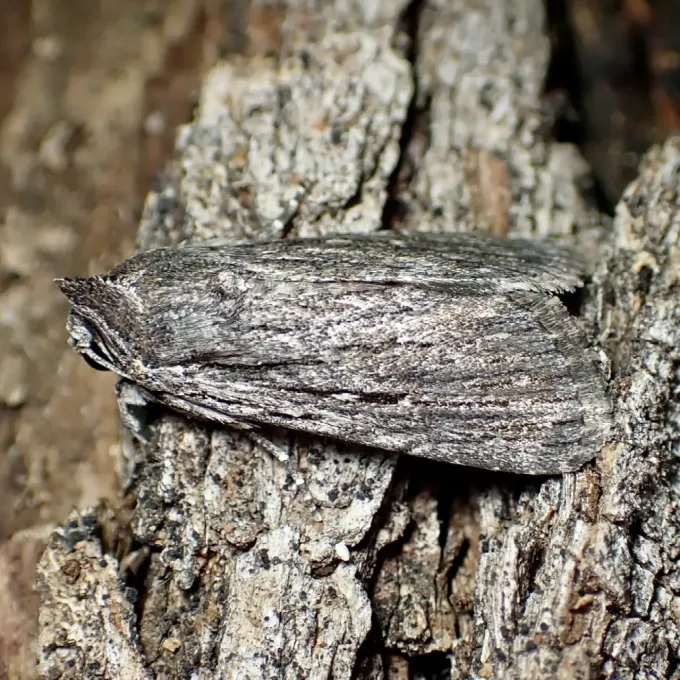
Description
How to identify
Neogalea sunia is a species of moth belonging to the Noctuidae family, often recognized for its impact on specific host plants.
The adult moth is characterized by its nocturnal behavior and cryptic coloration, which helps it blend in with its surroundings during the day.
The life cycle follows a complete metamorphosis: egg, larva, pupa, and adult, with larvae being the primary stage that causes damage.
Larvae are typically nocturnal feeders, possessing strong mandibles capable of consuming significant amounts of plant tissue within a short period.
This species is well-adapted to warm environments and can complete several generations per year depending on the local climate conditions.
What it damages
The primary hosts of Neogalea sunia are plants within the Solanaceae family, including various weeds and certain ornamental species.
Larvae consume leaf tissue, which results in significant defoliation and reduction of the plant's photosynthetic capacity.
Young larvae often start by skeletonizing leaves, while older stages consume entire leaves, leaving only the primary veins behind.
Severe infestations can lead to stunted growth, reduced flowering, and a decline in the overall vigor of the host plant.
By damaging the epidermis and internal tissues, the larvae facilitate the entry of secondary pathogens that further degrade the plant health.
When it appears
The pest activity is highly correlated with seasonal temperature patterns, with higher activity levels observed during warmer months.
Adult moths emerge in spring or early summer to initiate the mating process and start the first generation of the season.
Multiple generations can occur throughout the growing season, especially in tropical or subtropical regions where frost is absent.
During the cooler months, the insect enters a period of dormancy, usually in the pupal stage buried within the soil or debris.
Monitoring for adults via light traps is most effective during the peak summer months when population pressure is at its highest.
Signs of infestation
Early symptoms of an infestation include the appearance of small holes or notched edges on the leaves of host plants.
The presence of frass (larval excrement) on leaves or the ground beneath the plant is a clear indicator of active feeding.
- Irregular leaf margins due to active grazing.
- Visible larvae resting on the underside of leaves or within hidden plant parts during the day.
- General chlorosis or wilting of the plant as stress levels increase.
Extensive damage is often characterized by complete leaf loss, which leaves the plant stems bare and unable to support growth.
Scouting for these signs regularly allows for early intervention before the larval population reaches economic threshold levels.
Control measures
Manual removal of larvae is a viable strategy for small-scale gardens or when pest density is low enough for physical control.
Biopesticides containing Bacillus thuringiensis are highly effective against younger larval stages and are environmentally friendly.
Cultural control methods such as crop rotation and the removal of alternative solanaceous weed hosts help to lower population density.
Soil cultivation at the end of the season can disrupt the pupal stages and reduce the number of emerging adults the following year.
Chemical control should be reserved for severe outbreaks, utilizing products that minimize harm to beneficial insects and pollinators.
Taxonomy
- Latin name
- Neogalea sunia
- Order
- Lepidoptera (butterflies)
- Family
- Noctuidae
- EPPO code
- NEGAES
Discussion
No discussions yet — be the first.