
Neogalea
Neogalea
Description
How to identify
Neogalea is a genus of moths belonging to the family Noctuidae, which includes many significant agricultural pests commonly known as owlet moths.
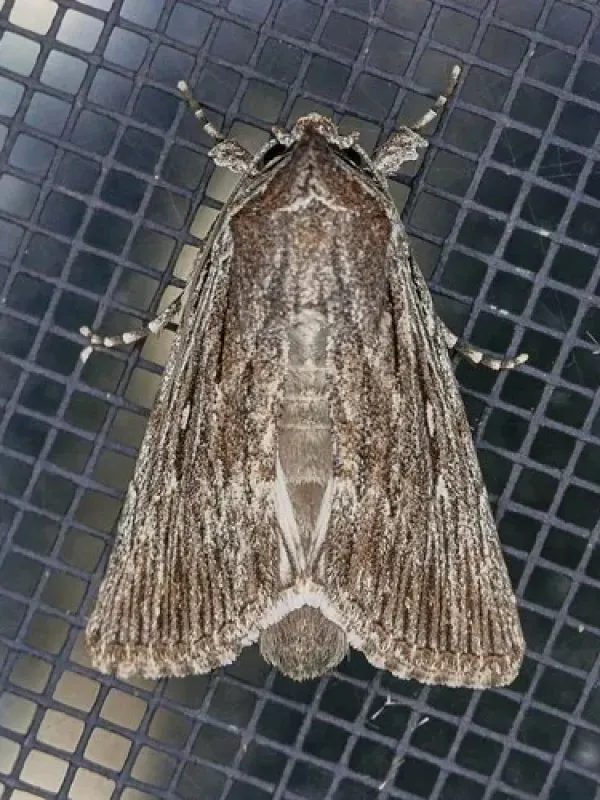
The adult moths are typically nocturnal with cryptic coloration, often exhibiting mottled grey or brown patterns that help them blend into their surroundings during the day.
The larvae, which are the primary destructive stage, go through several instars, changing in size and sometimes color pattern as they mature into pupae.
Taxonomic identification of Neogalea species often requires microscopic examination of the male and female genitalia, as external morphology can be highly variable.
These pests prefer warmer climates, and their reproductive success is highly correlated with the availability of suitable host plants during their active growth period.
What it damages
Neogalea species are primarily known for feeding on plants within the genus Calendula, often causing severe damage to both wild and cultivated populations.
The larvae are voracious feeders that consume leaves, buds, and flowers, leading to skeletonized foliage and destruction of the reproductive parts of the plant.
Infestations can result in significant economic losses for commercial growers who cultivate Calendula for the pharmaceutical, cosmetic, or ornamental industries.
By consuming the plant's vascular tissues and epidermis, the larvae create entry points for various phytopathogens, which further weaken the host plant's health.
In cases of high population density, the larvae can defoliate entire patches of host plants, severely impacting both plant growth and subsequent seed production.
Signs of infestation
The first signs of an infestation include irregularly shaped holes in the leaves and the presence of frass (larval waste) scattered around the base of the plant.
Damaged flower buds that fail to bloom properly or show signs of rotting are characteristic indicators that larvae have been feeding on the generative tissues.
During the daytime, larvae are often elusive, hiding in curled leaves, crevices, or beneath the soil surface near the stem to avoid exposure to light and predators.
Evidence of silk-like webbing on stems or foliage may indicate that the larvae are preparing to pupate or are actively moving between different parts of the plant.
Stunted growth or sudden wilting of individual stems can point to internal damage caused by larvae tunneling into the plant tissue.
Control measures
Integrated Pest Management (IPM) is essential for controlling Neogalea, starting with monitoring adult activity using pheromone or light traps to predict egg-laying cycles.
Biological control agents, particularly formulations containing Bacillus thuringiensis, offer a targeted approach to managing larval populations with minimal environmental impact.
Cultural practices, such as removing crop residues and weeding surrounding areas, can significantly reduce the overwintering sites for the moth's pupae.
If chemical control is necessary, applications should be timed to coincide with the most vulnerable larval stages, ensuring that systemic or contact insecticides cover the host plant thoroughly.
Crop rotation and selecting resistant varieties, where available, serve as long-term preventive measures to discourage the establishment of persistent pest populations.
Taxonomy
- Latin name
- Neogalea
- Order
- Lepidoptera (butterflies)
- Family
- Noctuidae
- EPPO code
- NEGASP
Discussion
No discussions yet — be the first.